In a previous article, I explained step by step how to take an app idea from a 30-second hand-drawn sketch to a functional prototype. This process, surprised me the first time I tried it a few months ago. AI carried me further than I had imagined. But there was always something missing—that “something” that a professional spots instantly. The design didn’t quite look right, and the code didn’t quite run as it should. That last ten percent is what separates good work from mediocre work.
–
When GPT-4 appeared three years ago, many of us thought we would see an explosion of flawless apps, solutions, and products. After all, with just a couple of prompts, we could generate designs and working code. Yet if you look around, there aren’t more or better software. Why doesn’t a tool that gets us ninety percent of the way there lead to more high-quality launches? I think it’s because the missing ten percent is the ten percent that truly matters.
I remember a photo I generated with AI for a project involving offshore oil platform technicians. Since traveling there to take real photos was almost impossible, I decided to use AI. At first I thought, “Wow.” But when I looked at it again months later, all I could think was, “How awful this looks.” It was painfully obvious that it was synthetic. That’s the pattern we see today: AI images impress at first glance, but the illusion breaks as soon as you step off the well-travelled path. Ask for “a girl in a field of flowers” and the result is hyperrealistic, because there are millions of real references. But ask for “a offshore platform technician using this specific measuring device” and everything falls apart. Not because AI is useless, but because it is, at its core, a machine of approximation. It succeeds when it stays within the common and breaks when asked for the rare, the specific, the truly professional.

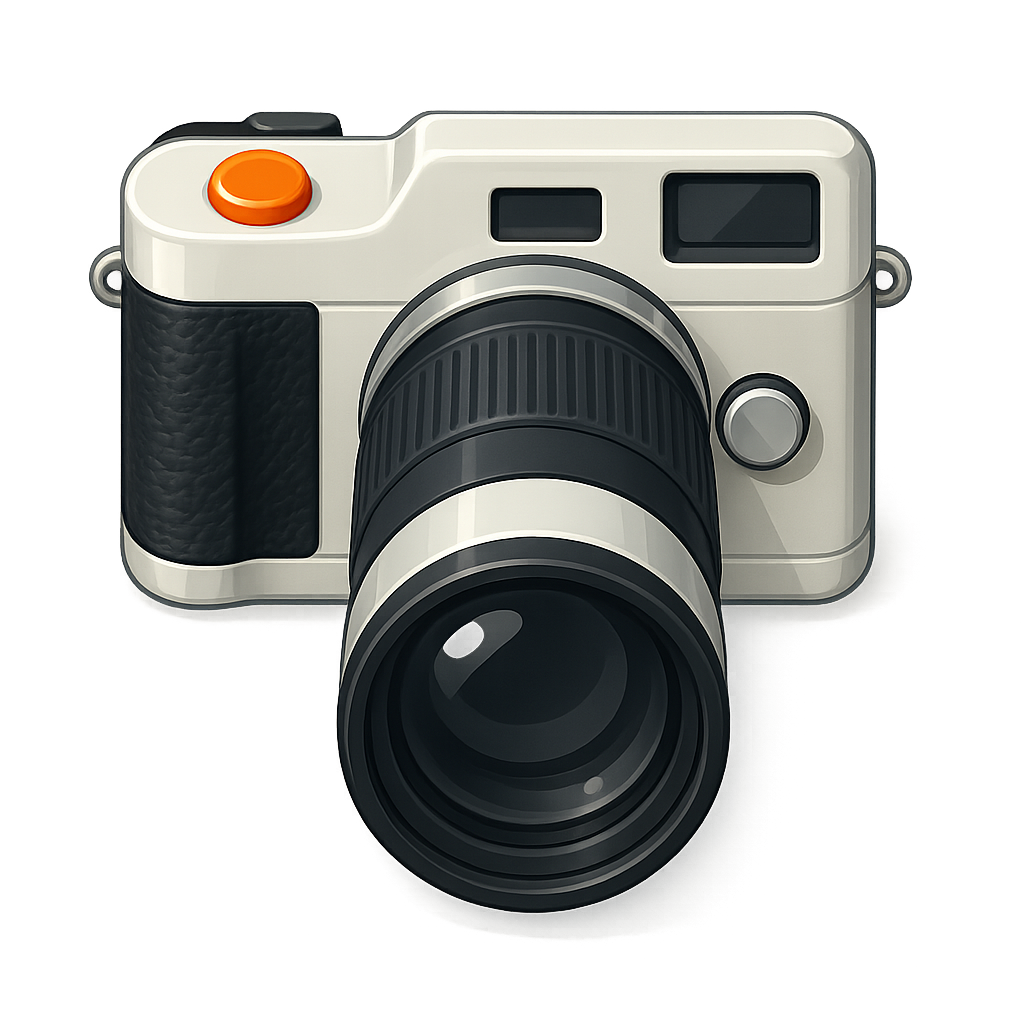
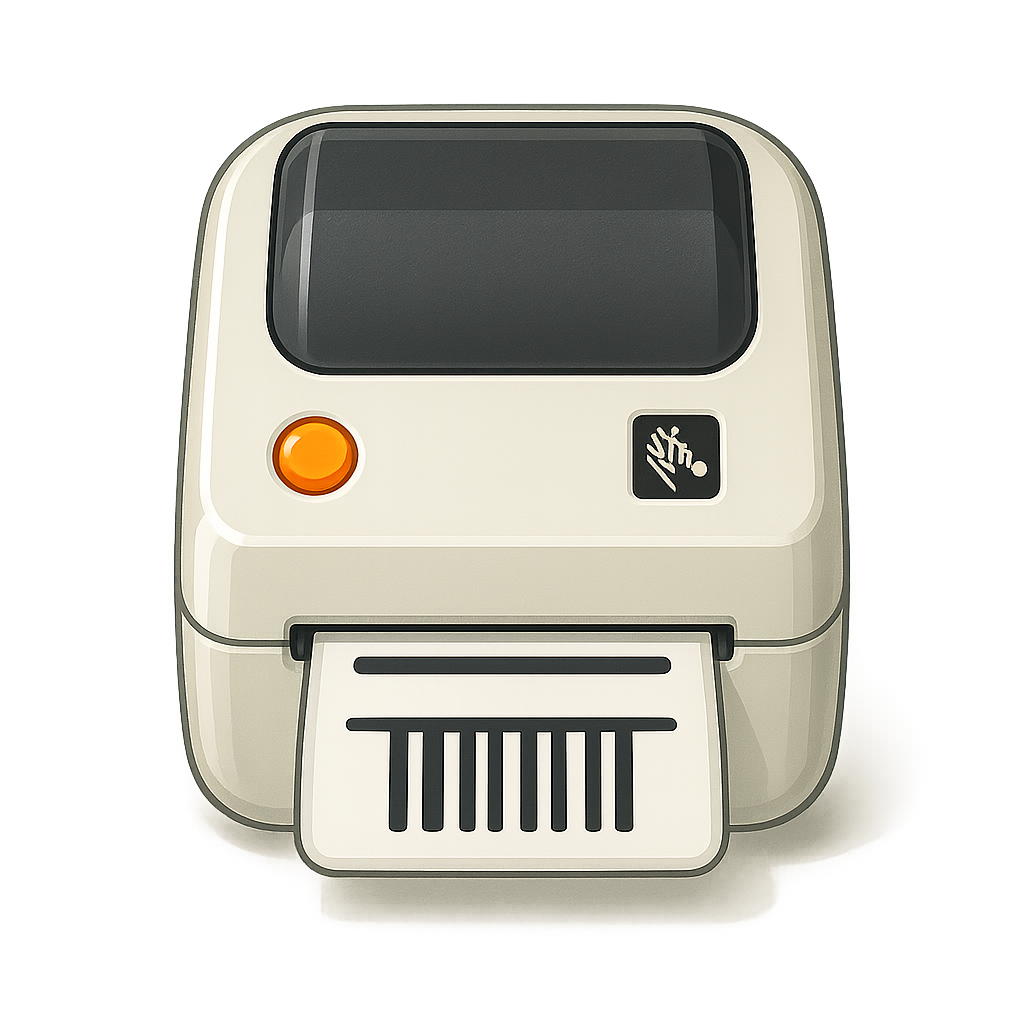
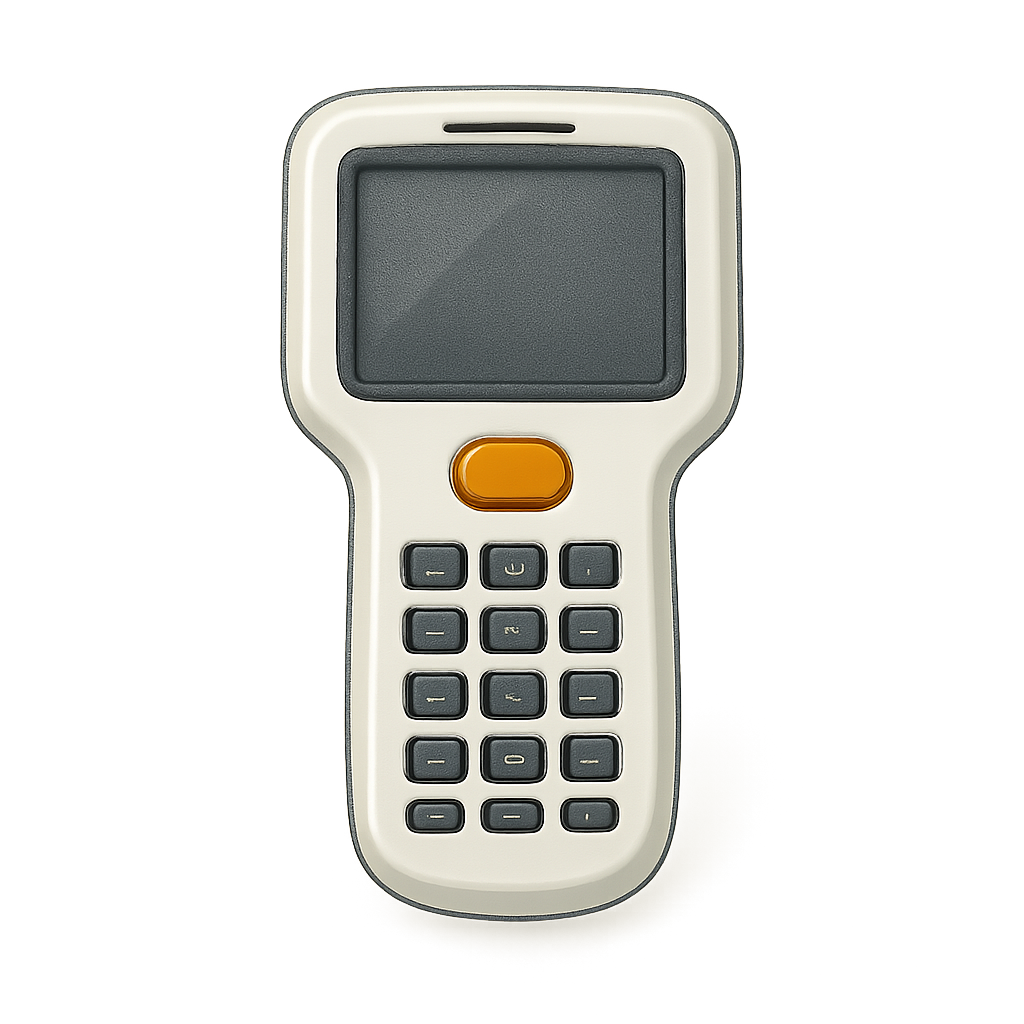
The same happened a few weeks ago with some 3D illustrations for a project. I had a set of objects with a clear style: cameras, thermal printers, computers, that worked fine. But when I asked for a handheld scanner (the ones that look like a phone but with a scanner at the bottom), the results became unusable in any professional setting. AI couldn’t nail the design, it always showed a classic handheld and when I tried to push harder, the buttons started to look bad, the coherence was lost and I never achieved it.
Yes, AI did ninety percent of the work, but in the last stretch, precisely where the training data is overwhelmingly bigger for another style, it failed. I didn’t ask for something too specific, and still failed. That’s when you would need a 3D designer, defeating the whole purpose of using AI in the first place.
Interface design follows the same pattern. You can ask AI for a layout and it will give you something decent… until you need to replicate a visual system precisely, or refine a microinteraction, or establish a typographic hierarchy that doesn’t scream “AI-made.” That last bit of polish is what conveys professionalism: margins that breathe, typographic weights that create order, visual rhythm that guides. AI doesn’t understand the “why,” only the statistical “how.” But the “why” is the compass.
Code is no different. In the article that I referenced earlier, I made a scoreboard app from a design AI itself had proposed (based on a simple drawing). It worked—almost. That “almost” was the painful ten percent: weird design elements, cliché gradients, interface details that didn’t belong, technical decisions that couldn’t support scale, security, or real-world usage. I that was a real project, I would have had to step in, restructure, correct, and make architectural and ergonomic (human–machine) decisions that don’t come from prompts.

Writing offers perhaps the most relatable example. How many times have you read a ChatGPT text that simply “sounds” like ChatGPT? It’s not just the style, it’s the content itself. What’s missing are the turns of phrase, the judgment, the intentional choices and personality that let a text carry someone’s unique voice. Again, the ninety percent is there, but the ten percent that gives it life is not.
I know why this happens. What we call AI today—language models and generative systems—works by approximation, built on absurd amounts of data. Humans, on the other hand, learn through conceptualization: we understand, abstract, and decide. That understanding is what allows us to break from the average and solve problems that have never been solved in exactly the same way. That’s where the last ten percent lives.
So what’s my takeaway? AI is excellent at clearing away the repetitive, the time-consuming, the “grind.” It’s an incredibly powerful tool for getting to ninety percent quickly. But professionalism, the direction, the judgment, the taste, the technical understanding, lives in the remaining ten percent. That’s where the hours, days, or even months must be invested. That’s where the edge lies.
Design and photography, for example, are more relevant than ever. AI replaces cheap stock and generic solutions, but strong art direction and high-level photography are still far from being replaced. Showcases shine when the use case matches perfectly with what AI can emulate. But in professional practice, you need total freedom to handle the rare, the specific, the non-trivial, and that’s where AI stumbles.
You can’t rely on the coincidence of AI being good at what you need to deliver.
That final percentage doesn’t live in any model. It lives in the professional’s judgment. The ones who should worry are bad designers, bad photographers, and bad programmers, because AI easily reaches their ninety percent. The good ones have nothing to fear; that high standard of quality can’t be achieved by approximation.
The last ten percent—that’s the space of exceptional work.