In the last blog post, we talked about technology democratization. Powerful developing tools, are accessible to anyone with curiosity and an internet connection. That’s an incredible leap forward. It lowers the barrier to entry, invites experimentation, and gives creators of every level the chance to build something meaningful.
But this freedom has a curious side effect. Surrounded by so many shiny options, we begin to pick technologies the way children choose toys. We chase what glitters, not what fits. And slowly, the project stops being the focus. The résumé takes the driver’s seat.
That is Resume Driven Development: when technical choices are guided by what looks impressive on LinkedIn rather than what the problem actually needs.
The Ferrari that only commutes
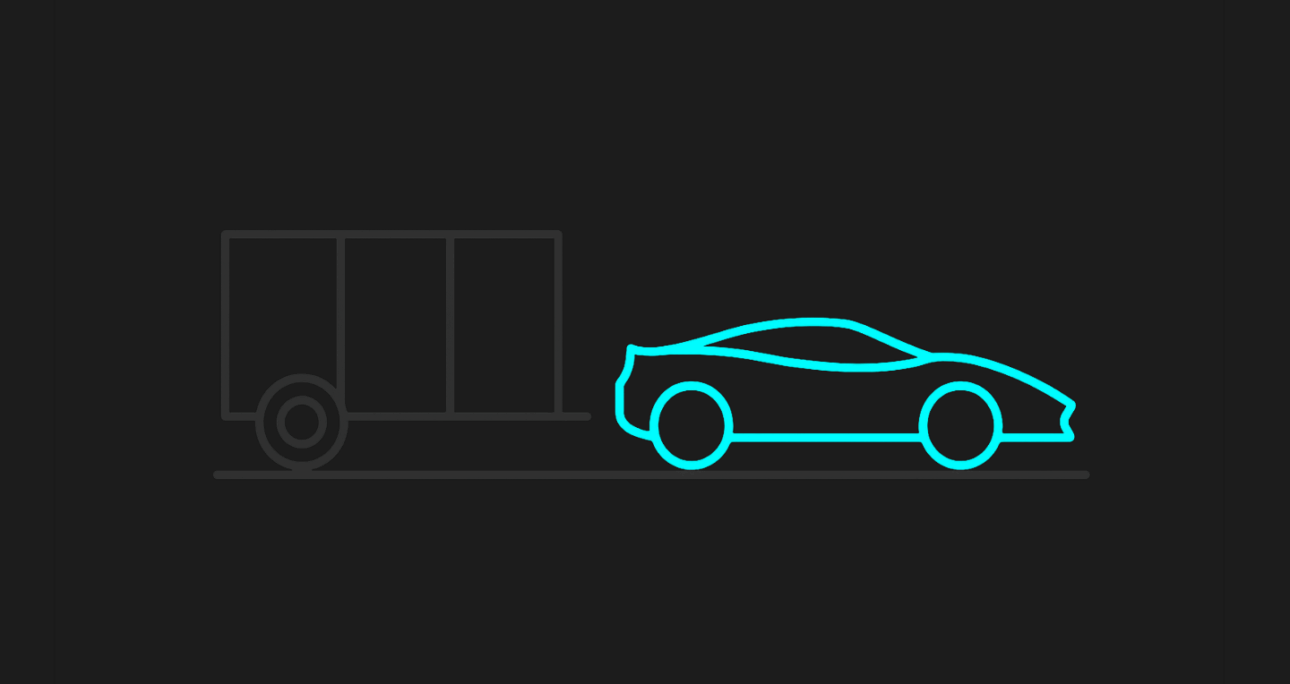
Imagine someone asks you to design a car for a simple purpose: a short daily commute, ten kilometers to work and ten back. A practical engineer would think of efficiency, comfort, and low maintenance. But an excited one might say, let’s put in a Formula 1 engine, surround it with carbon fiber panels, and install a studio-grade sound system. On paper, it’s spectacular. You could proudly say, I built a car that hits 300 kilometers per hour and sounds like a concert hall on wheels.
The résumé glows. The driver, though, only wanted to get to work. The car ends up expensive, noisy, and fragile. The design serves the ego, not the purpose.
Software projects often meet the same fate. We design small tools as if they were global platforms. We prepare for millions of users who may never arrive. And while the stack looks glamorous, the project itself struggles to breathe.
The Seduction of Overengineering
Today it’s common to see applications built for a few dozen users running on complex distributed architectures. Someone reads about microservices, container orchestration, and event streaming, and suddenly every project looks like it needs them. The problem isn’t those tools themselves; it’s their misplacement.
Older technologies that we like to call outdated can still handle hundreds of thousands of users with ease. A well-structured monolith is often faster, cheaper, and more reliable than a network of overengineered services. “New” doesn’t mean “better,” and using advanced tools outside their intended context often adds friction instead of solving anything.
Yet the temptation remains. Everyone wants to work with the new and exciting. Everyone wants that line on their résumé. Before long, decisions are made not for users or maintainers, but for recruiters.
Choosing for the Real World
Every tool has its time and place. As developers, knowing them isn’t enough. We have to understand their lifespan, their cost, and their context. A project’s success depends not only on what it can do today but on how gracefully it can survive tomorrow.
When you choose a stack, think of the people who will maintain it in a year, the cost of keeping it online, the likelihood that it will still be supported in five years, and whether it truly solves the problem at hand. That’s what separates design from indulgence.
And remember this about so-called “legacy” systems: age doesn’t make software obsolete. Abandonment does. PHP, HTML, MySQL—they’re not relics. They evolve, adapt, and continue to power the web. A system only becomes legacy when it’s left behind by its ecosystem.
The Hidden Cost of Freedom
In architecture or automotive design, overbuilding is immediately expensive. The waste is visible in steel and concrete. In software, the cost hides behind free trials and cloud credits. You can experiment endlessly without feeling the pain, at least at first. But the true cost comes later—in complexity, maintenance, and time lost.
That’s the invisible debt of Resume Driven Development. It’s not paid in money upfront but in fatigue and technical decay.
The Fantasy of Three Million Users
Many teams build today for a future that may never come. They imagine the glorious day when their product will serve millions and optimize everything for that hypothetical scale. Most never get close. In chasing that fantasy, they ignore the needs of the users they already have.
If one day you truly reach those millions, it will be a good problem to have. You’ll redesign with data, not guesswork. But until then, build for what exists, not for what you wish would happen.
Back to What Matters
Technology should serve the project, not the résumé. The right stack is the one that delivers the most value to the user with the least friction to the team. Build for clarity, maintainability, and purpose. When growth comes, evolve with intent, not anxiety.
Resume Driven Development produces impressive portfolios but fragile systems. What truly shines in the end isn’t your stack—it’s how well you solved the problem. That’s the achievement worth writing on your résumé.