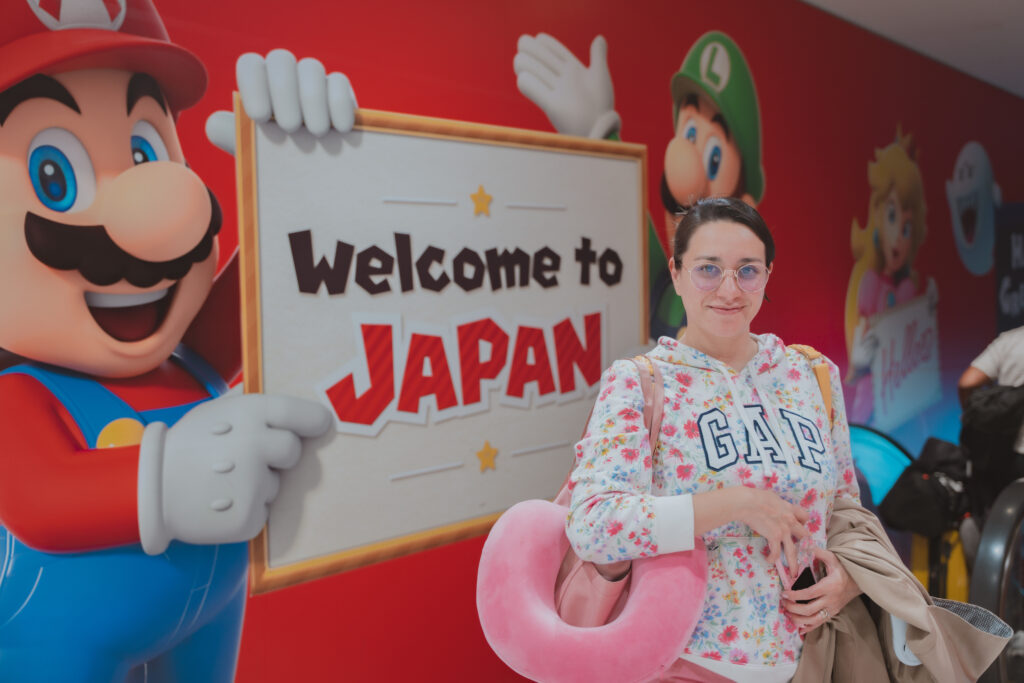
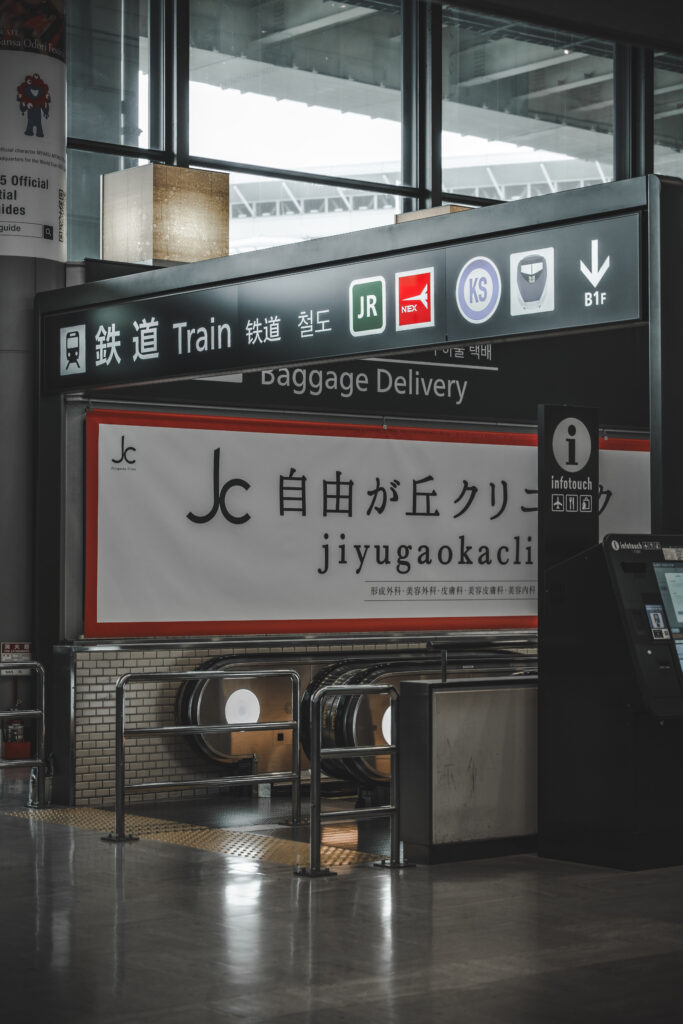
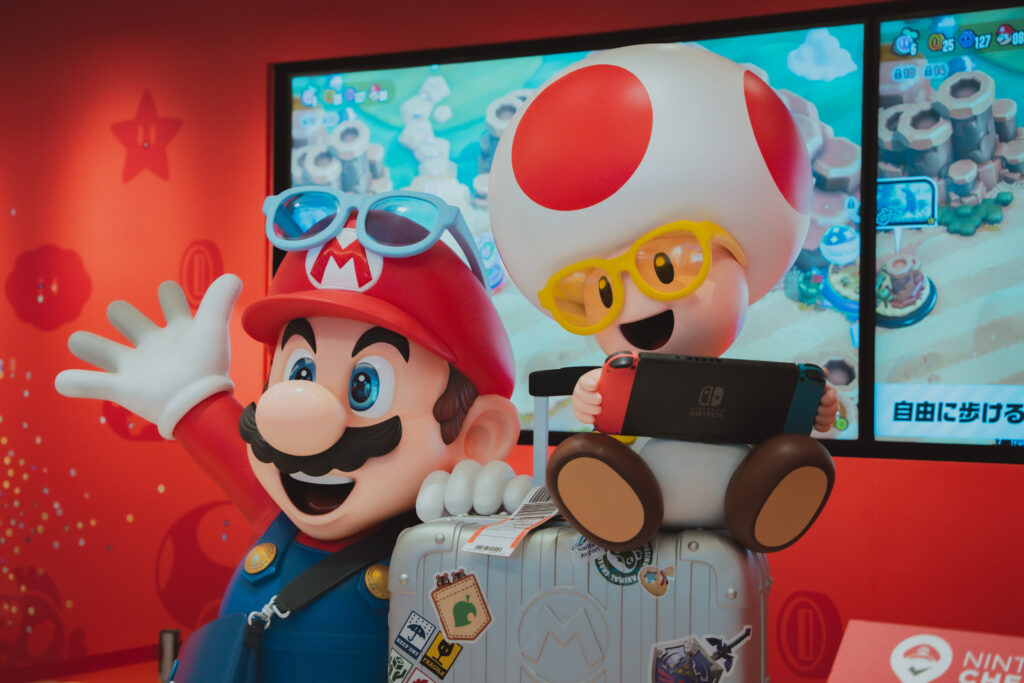
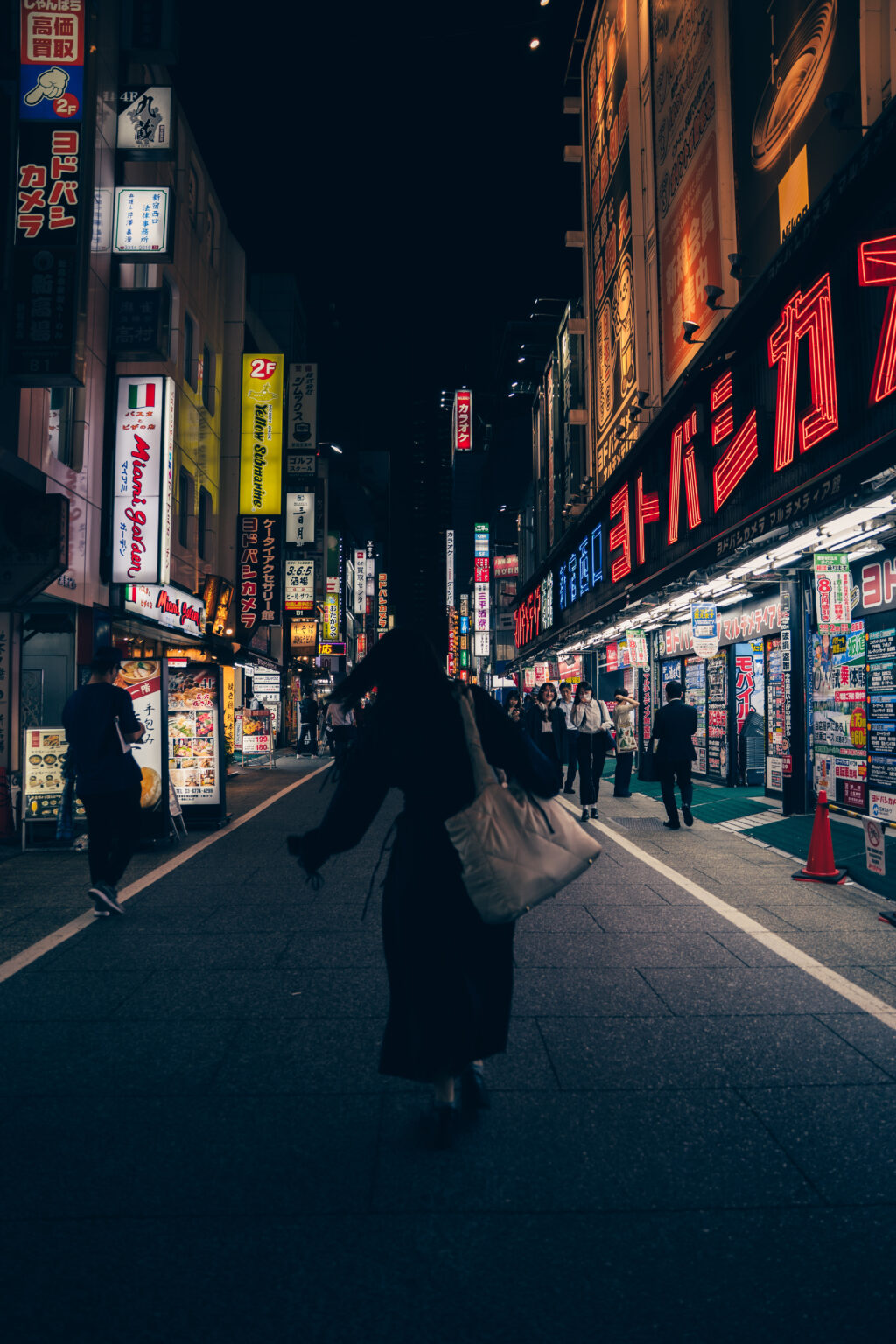
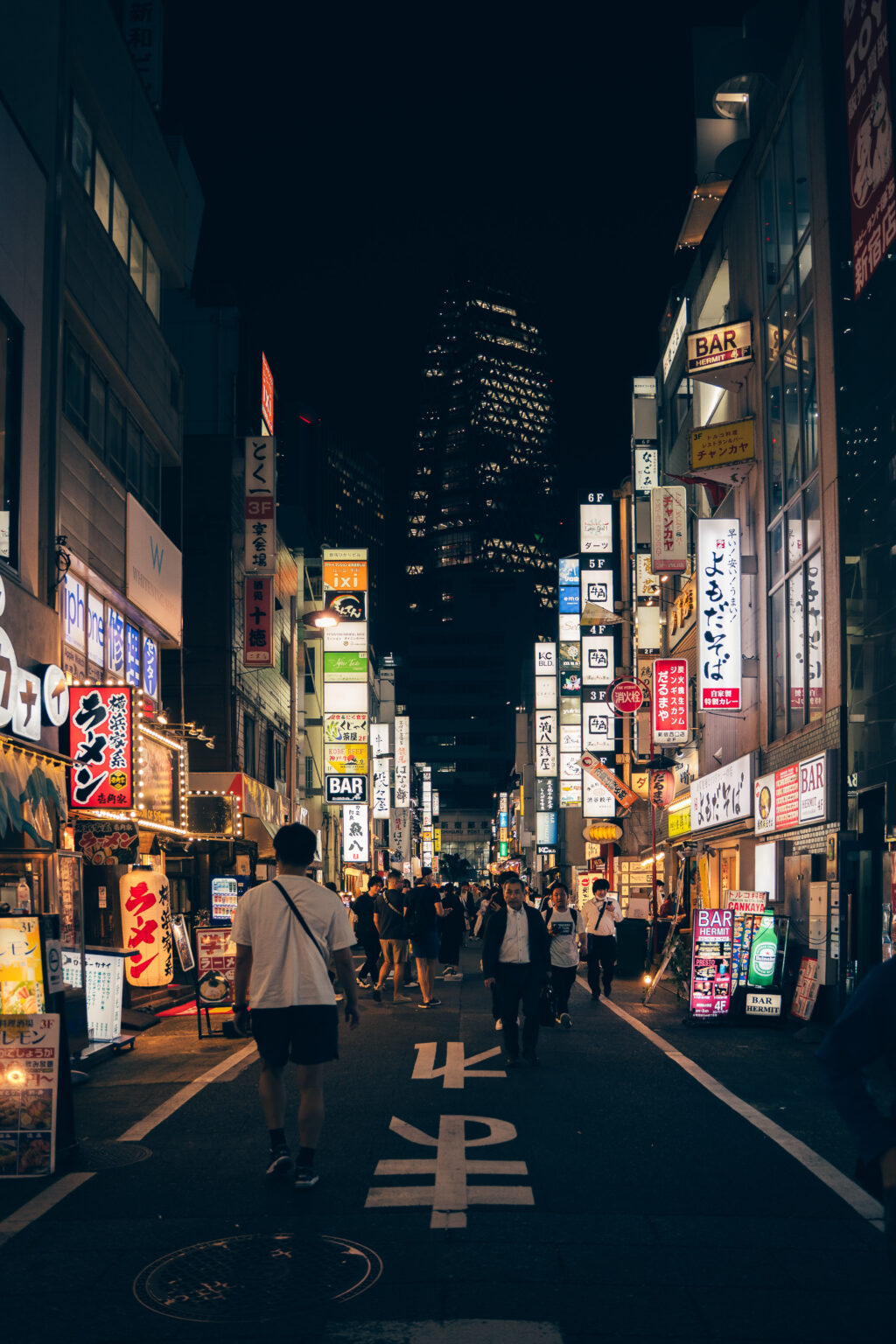
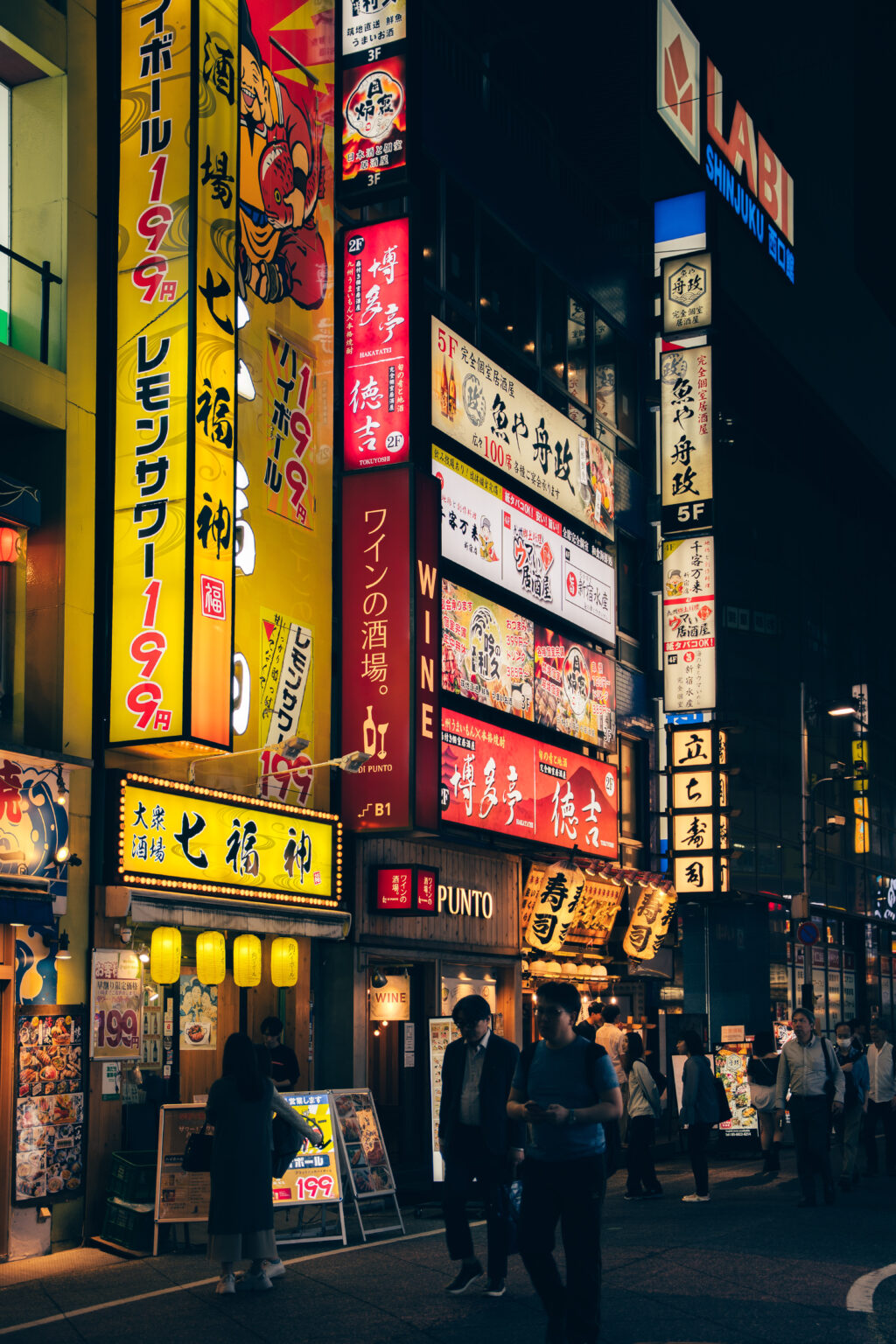
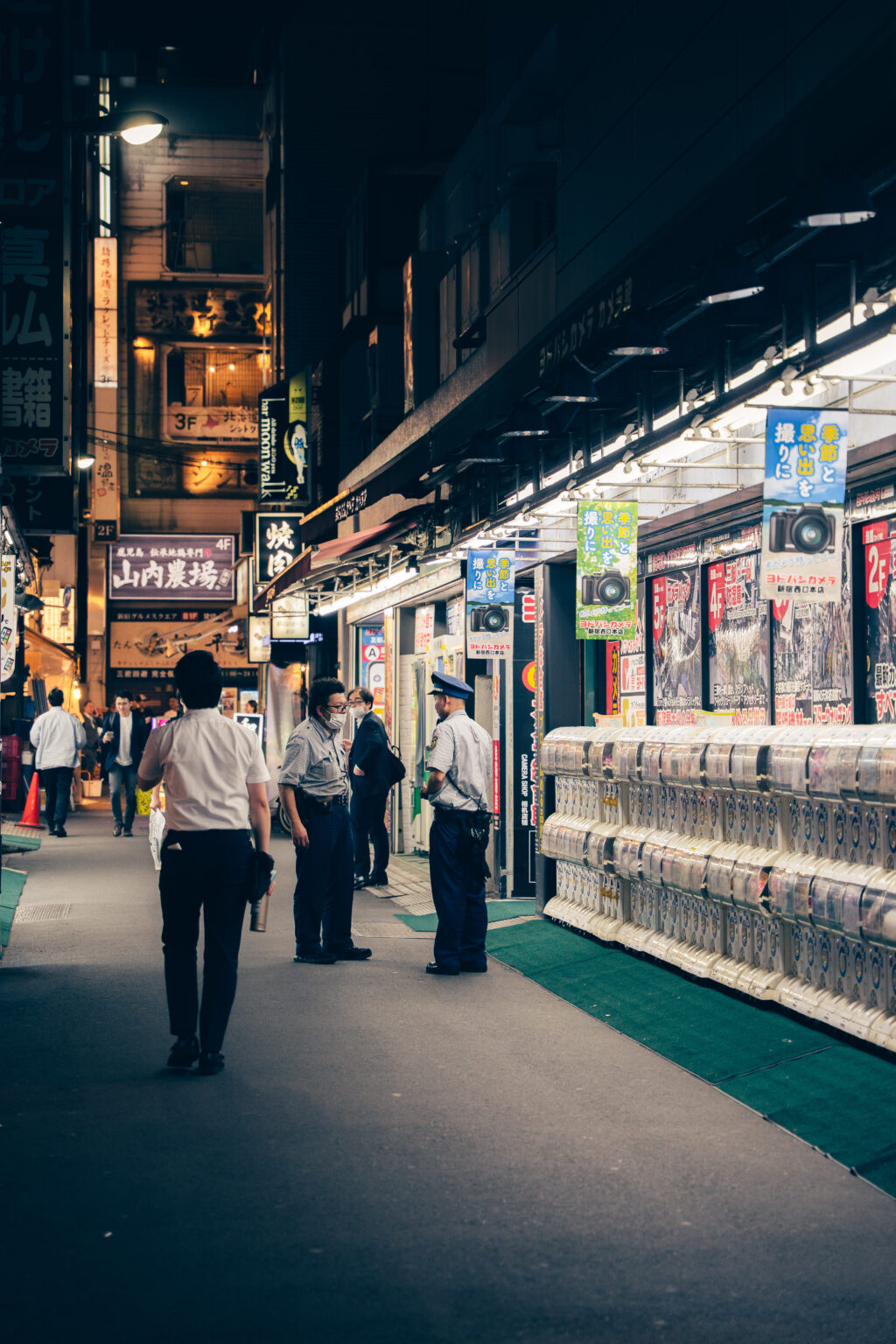
The flight is long. Between air and time zones (Japan is usually 15 hours ahead of Mexico), you feel like you’ve worked two days straight without rest. But once you land, from the very first minute, you’re welcomed into another way of being in the world.
Right off the bat, the guide told us: “Leave your suitcases, go change money, do what you need.” Who’s watching the luggage? Nobody. And nobody needs to. That was the first jolt: in Japan, security is part of the air you breathe. The nameless suitcases were loaded into a different truck. And you trust. You trust because here trust isn’t naïve—it’s habit.
You also notice something else: unlike countries marked by multiculturalism, in Japan daily life is very Japanese. The workforce is mostly local, and it’s rare to see foreigners working. Immigration exists, of course, but it’s much more limited than in other places I’ve visited.
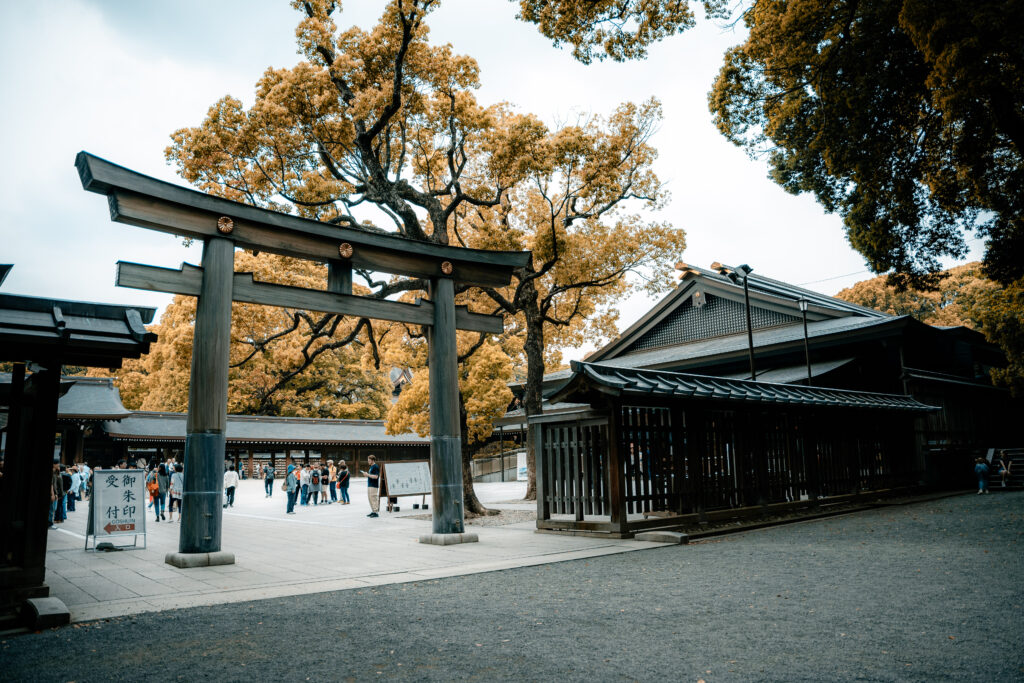
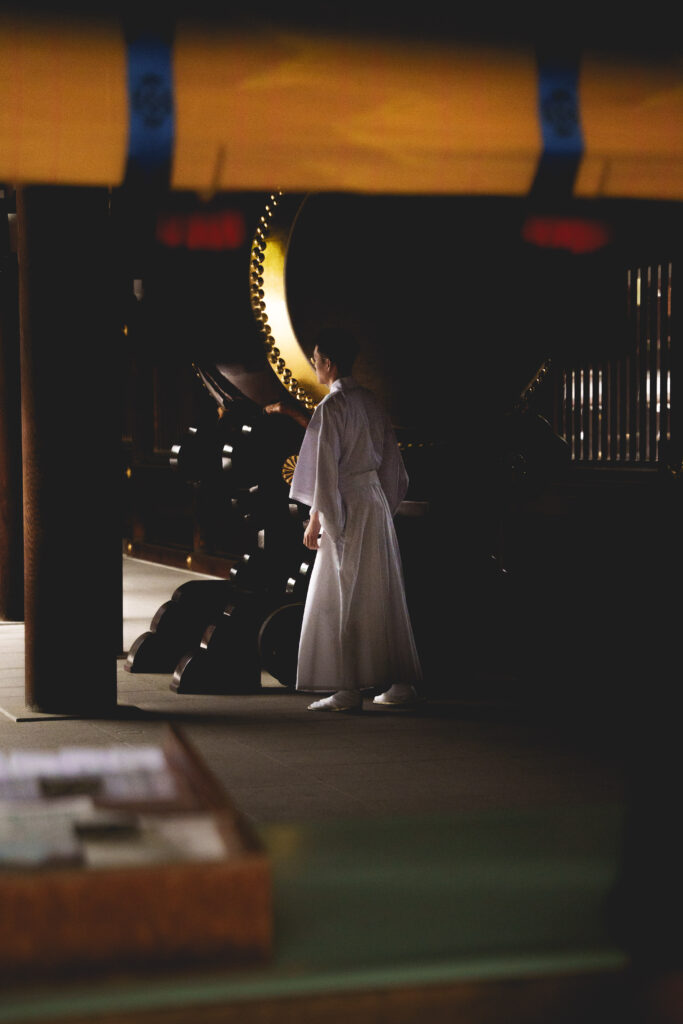
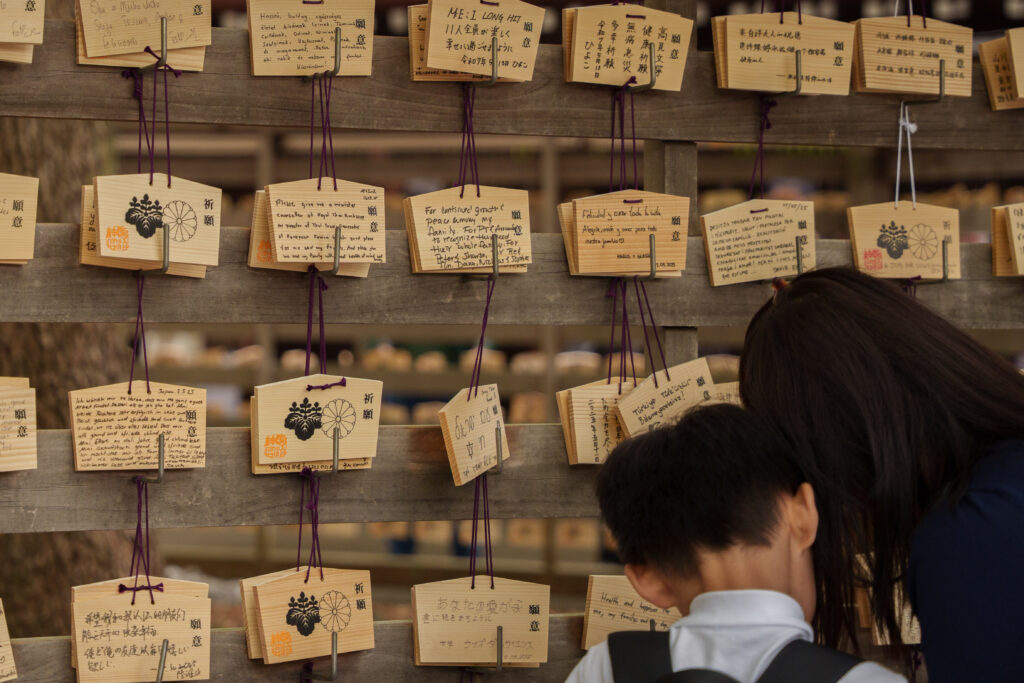
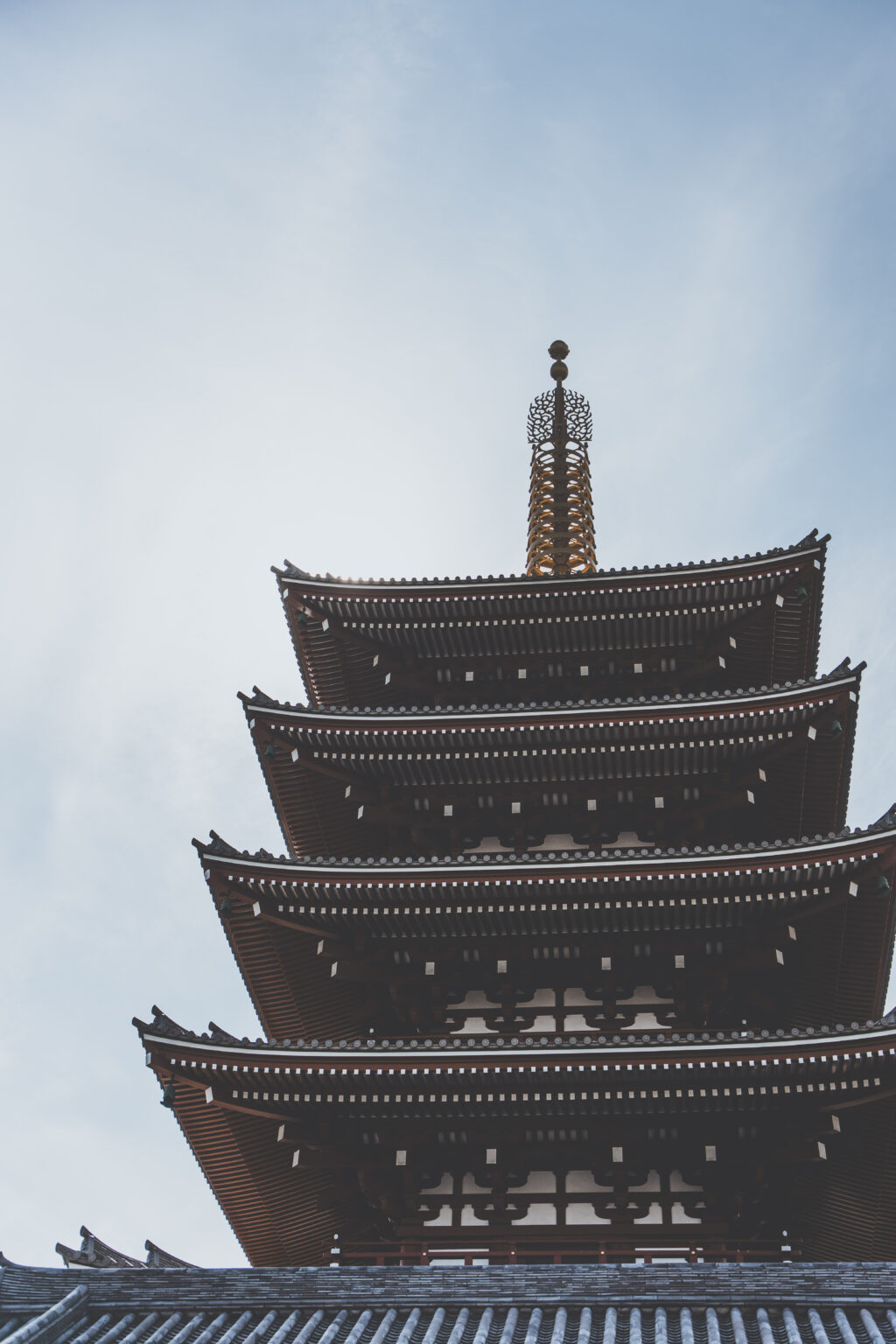
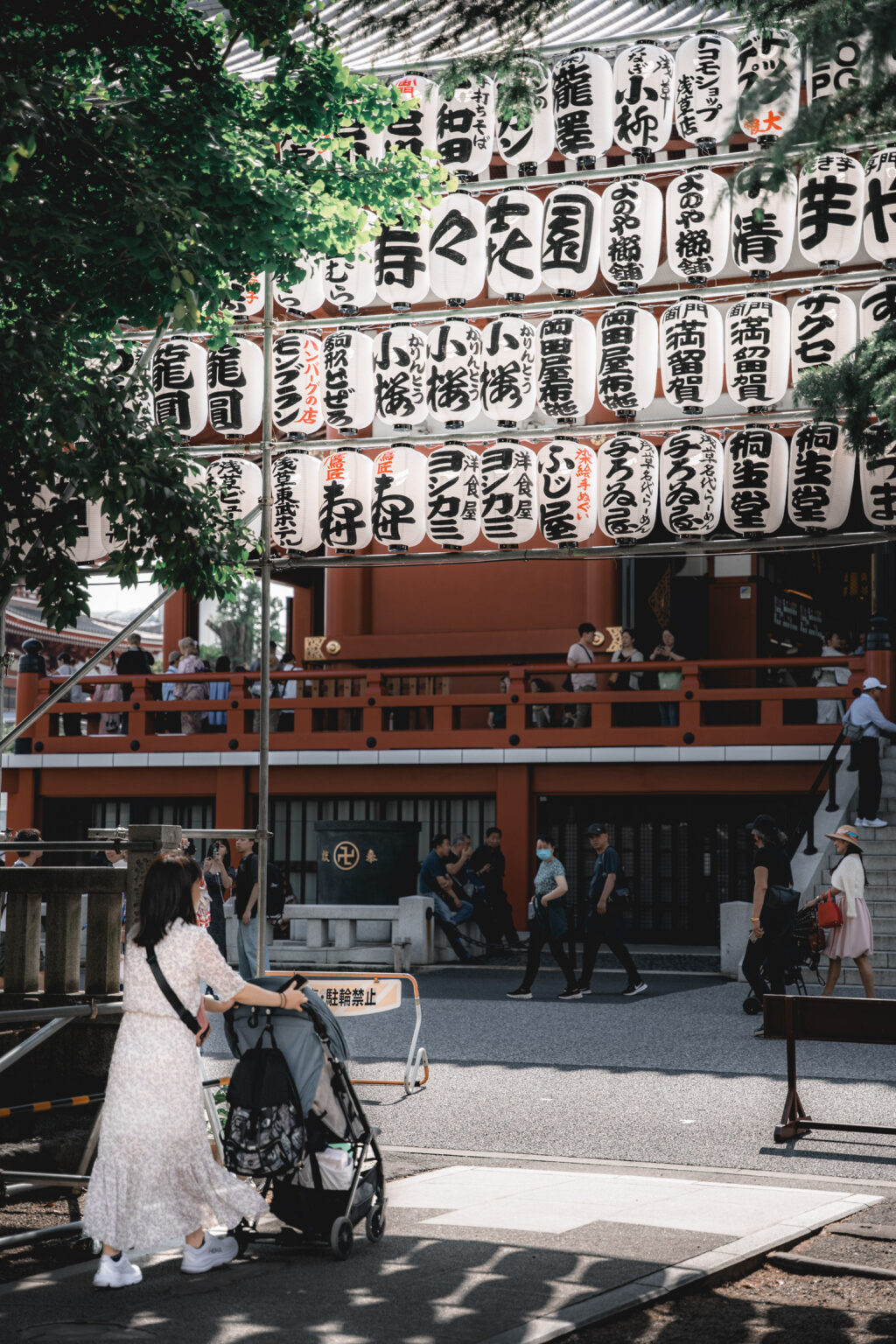
Our first stop was a Shintoist temple. In Japan, Shintoism and Buddhism coexist, and visiting a temple is almost inevitable. This first one, however, didn’t blow me away. Beautiful, yes. Impressive, not really. A couple of photos and we moved on.
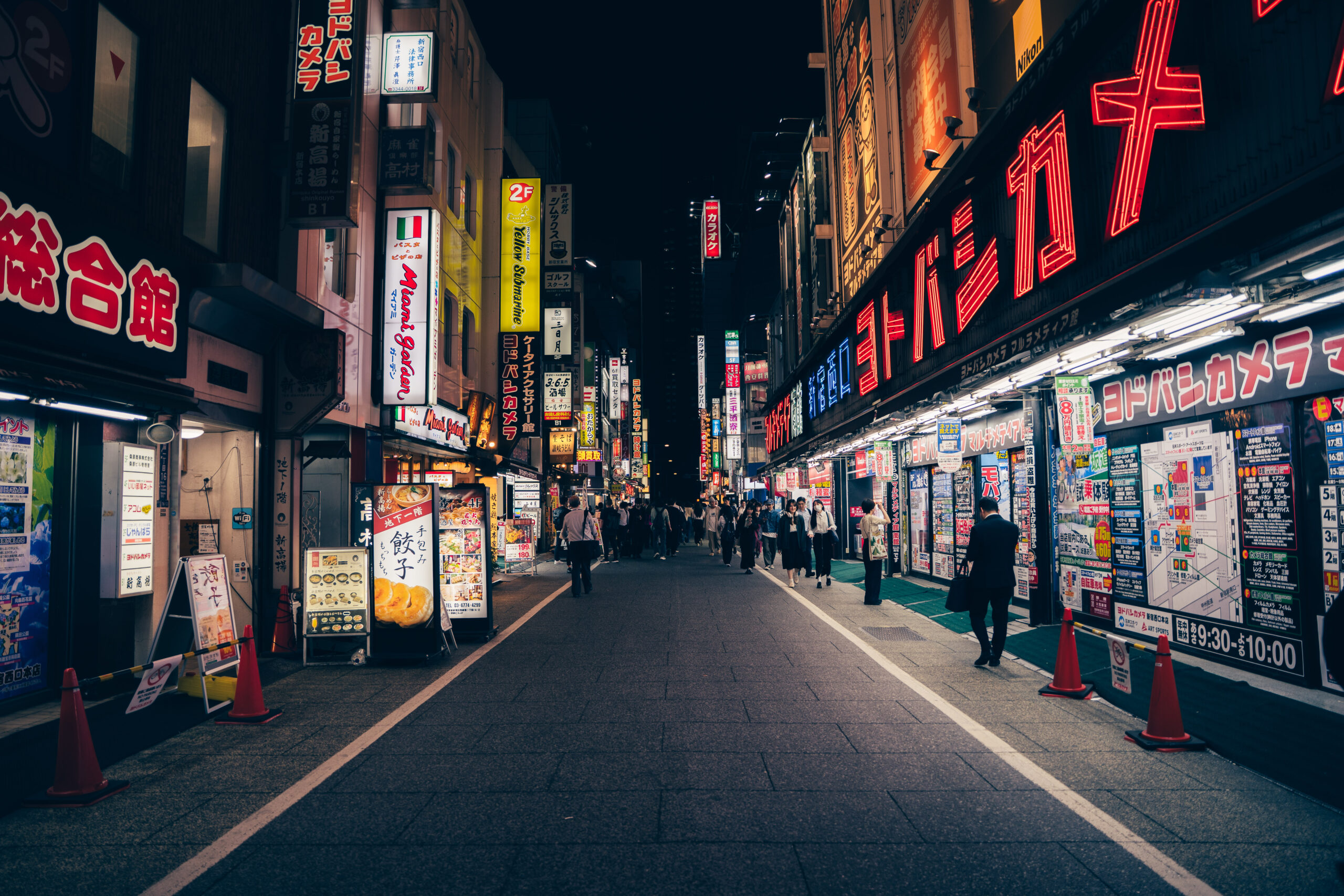
Between the airport and the temple you already sense Tokyo’s density, its scale, its strange order. But that first temple was a reminder: not everything is epiphany; sometimes wonder takes time.
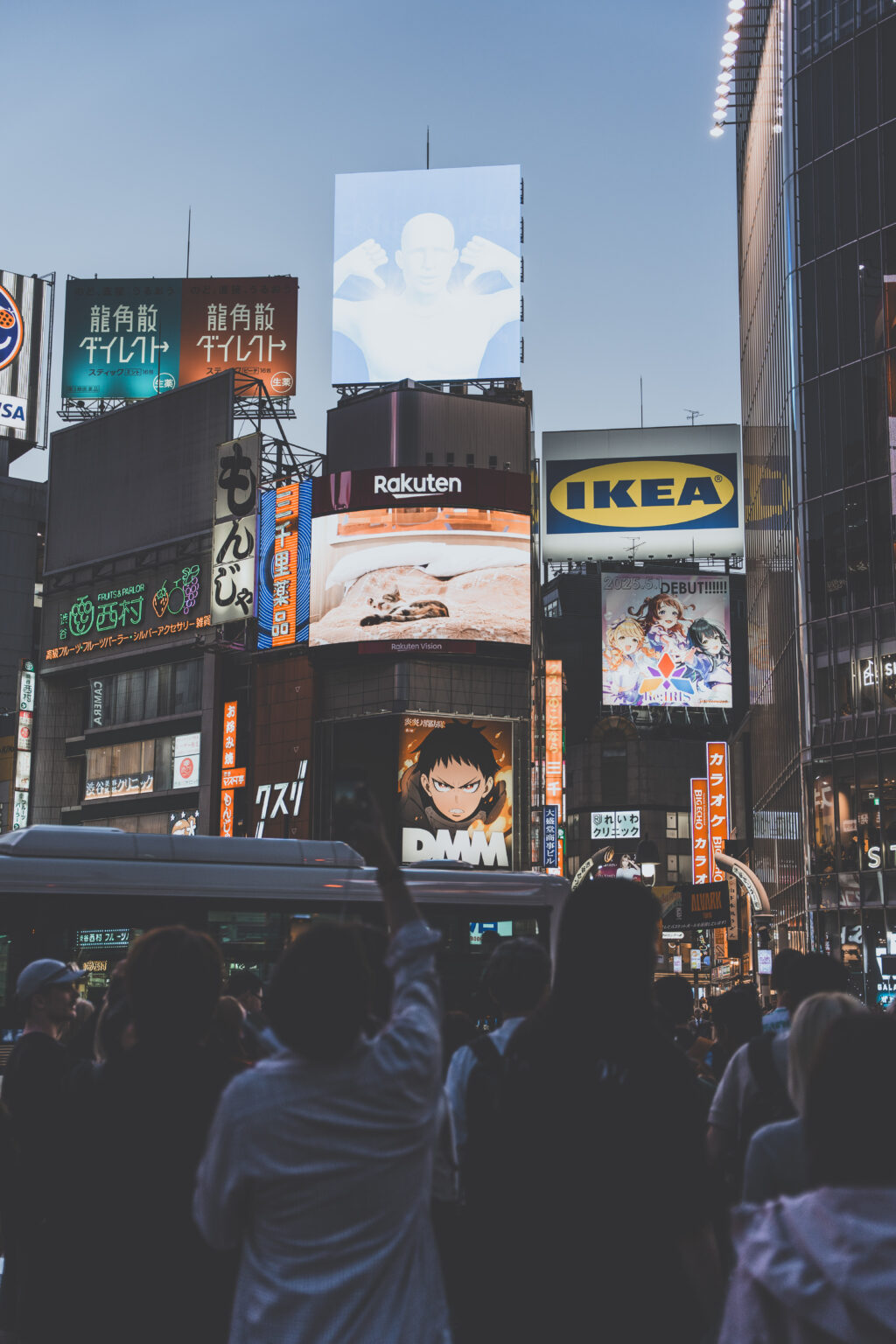
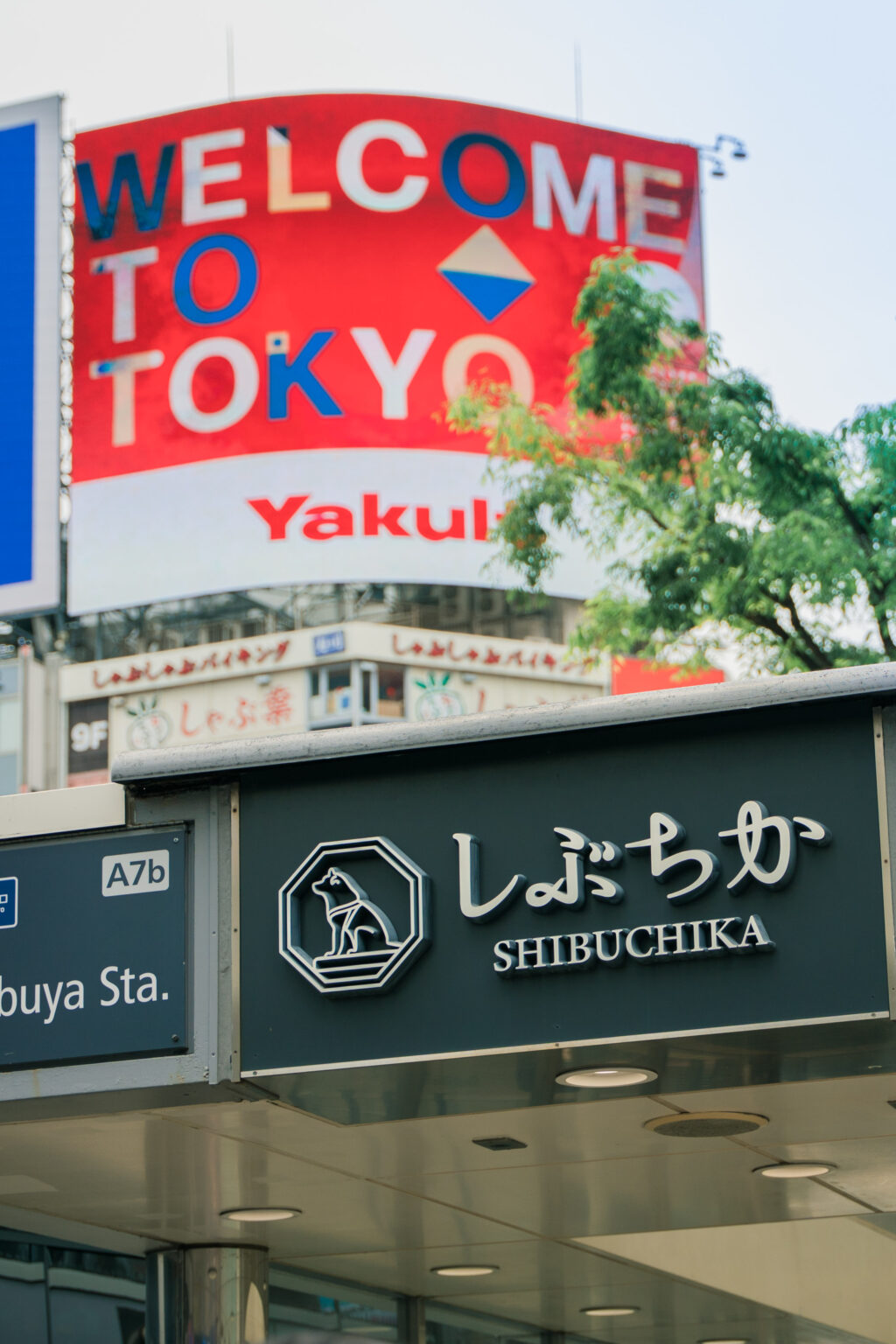
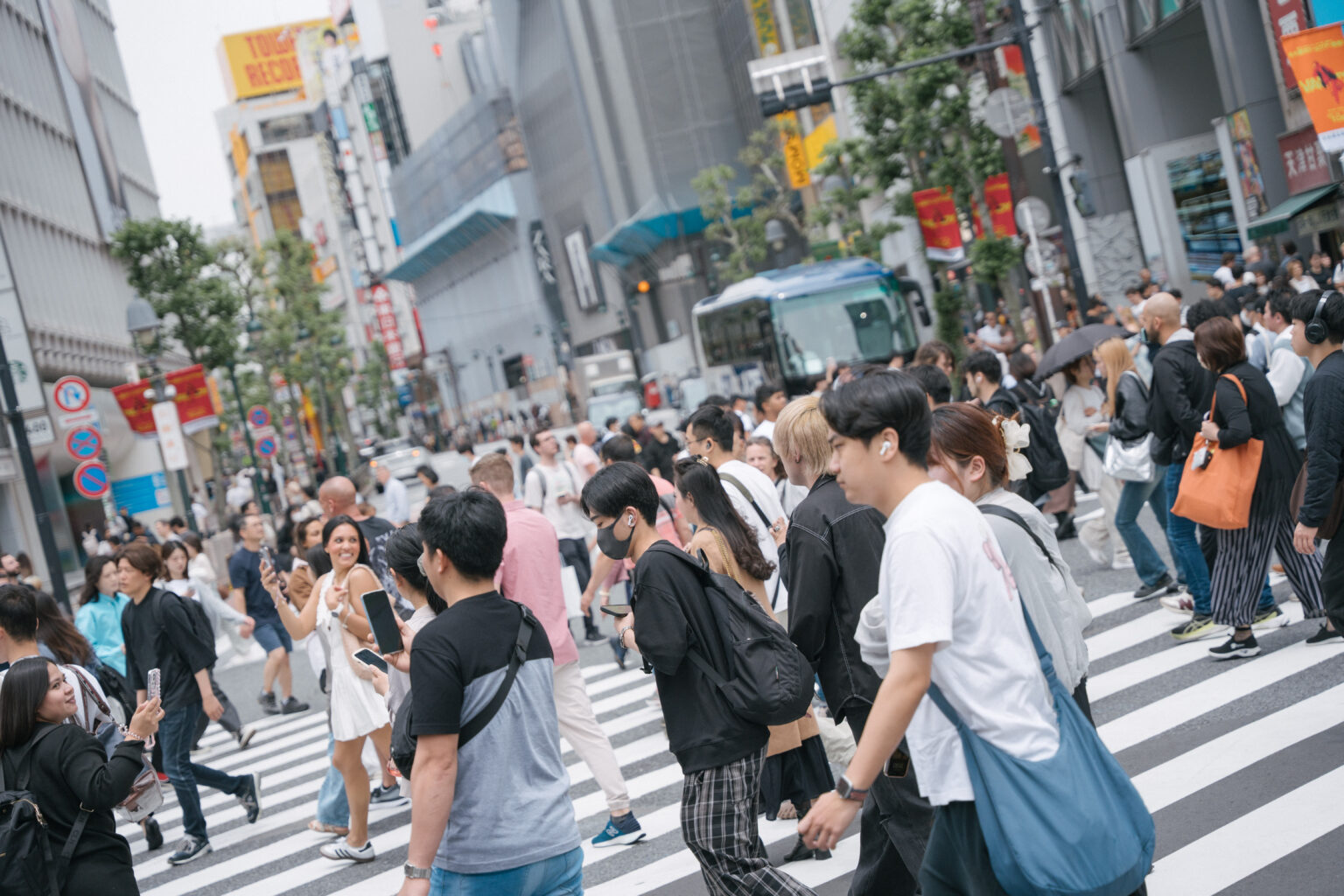
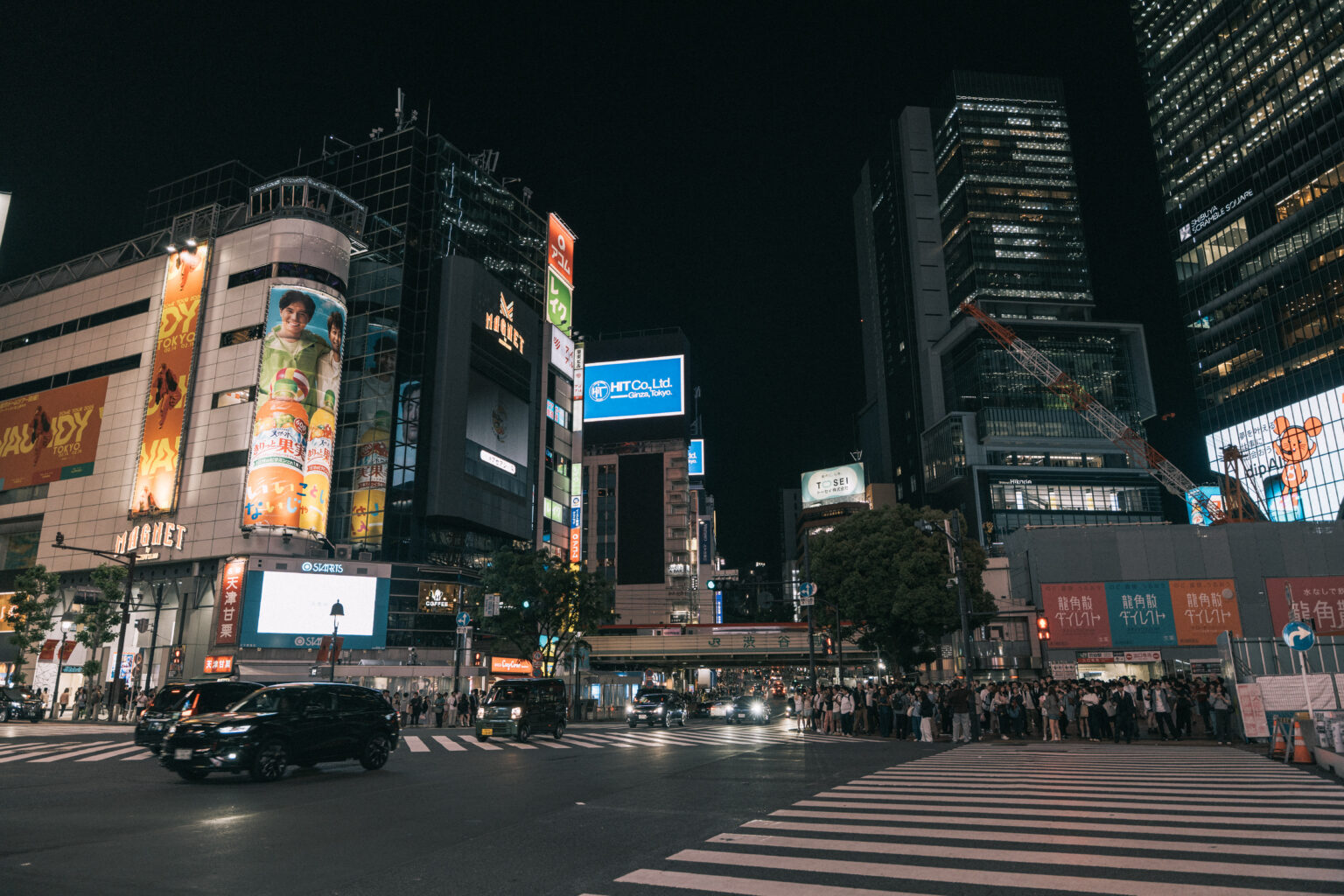
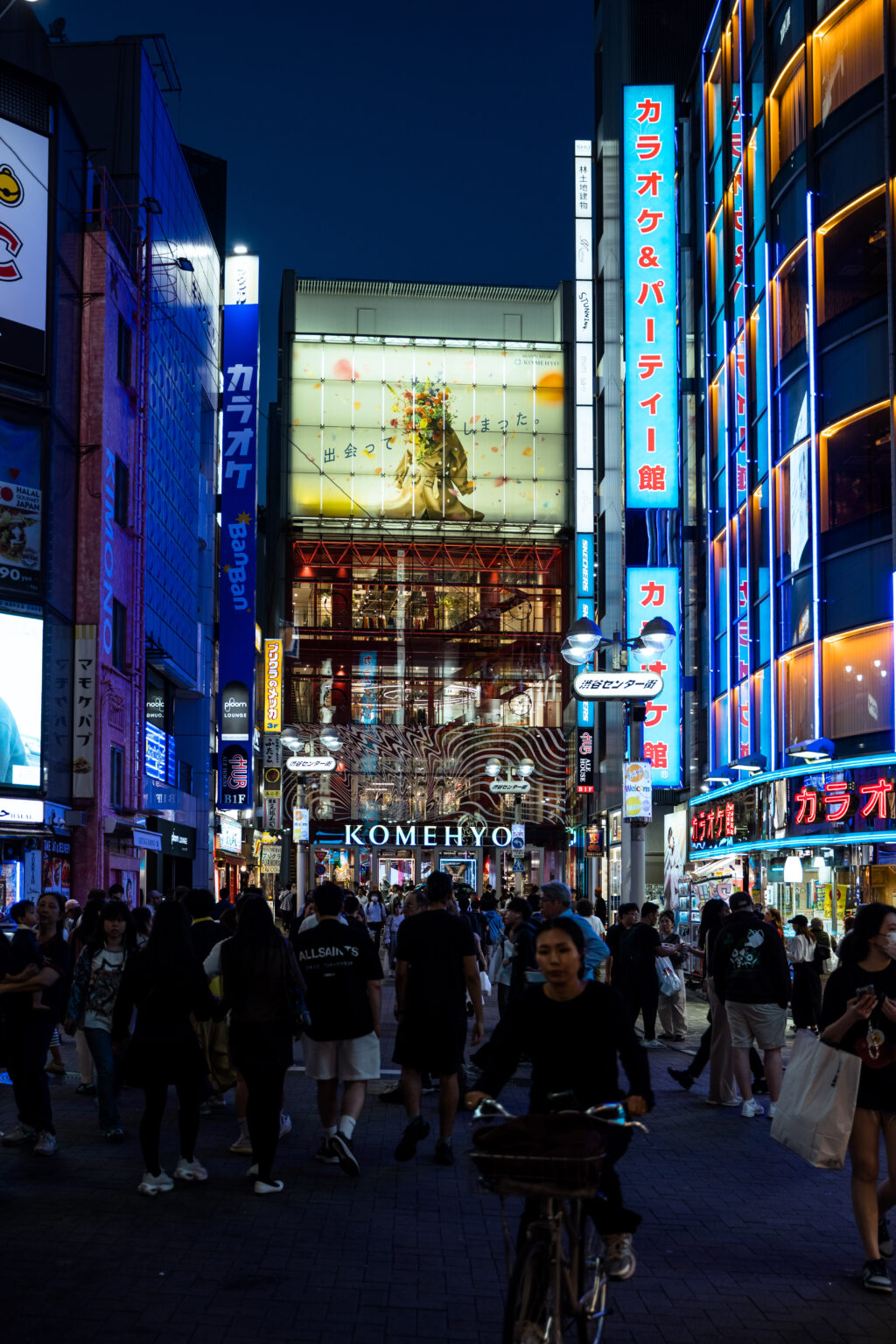
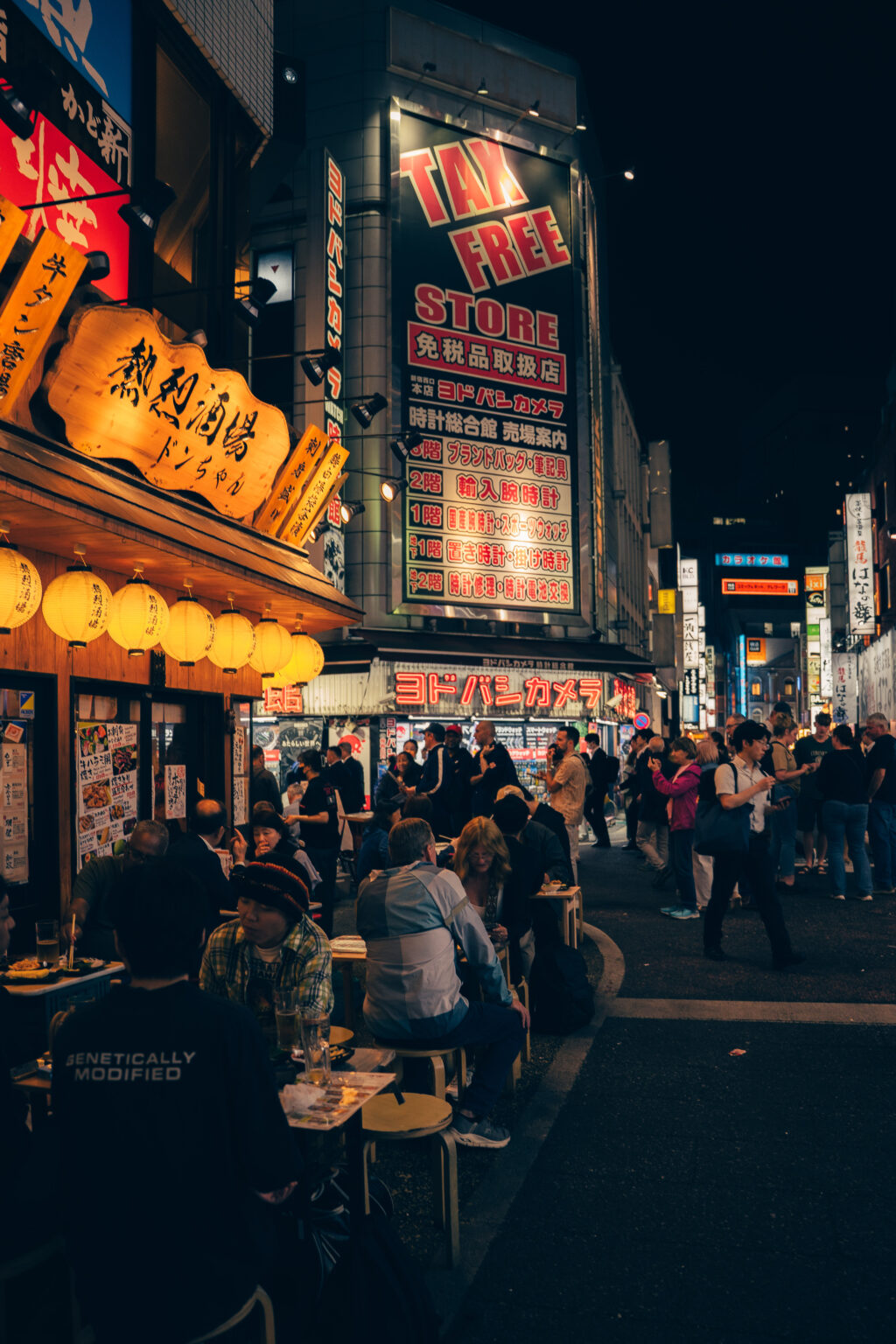
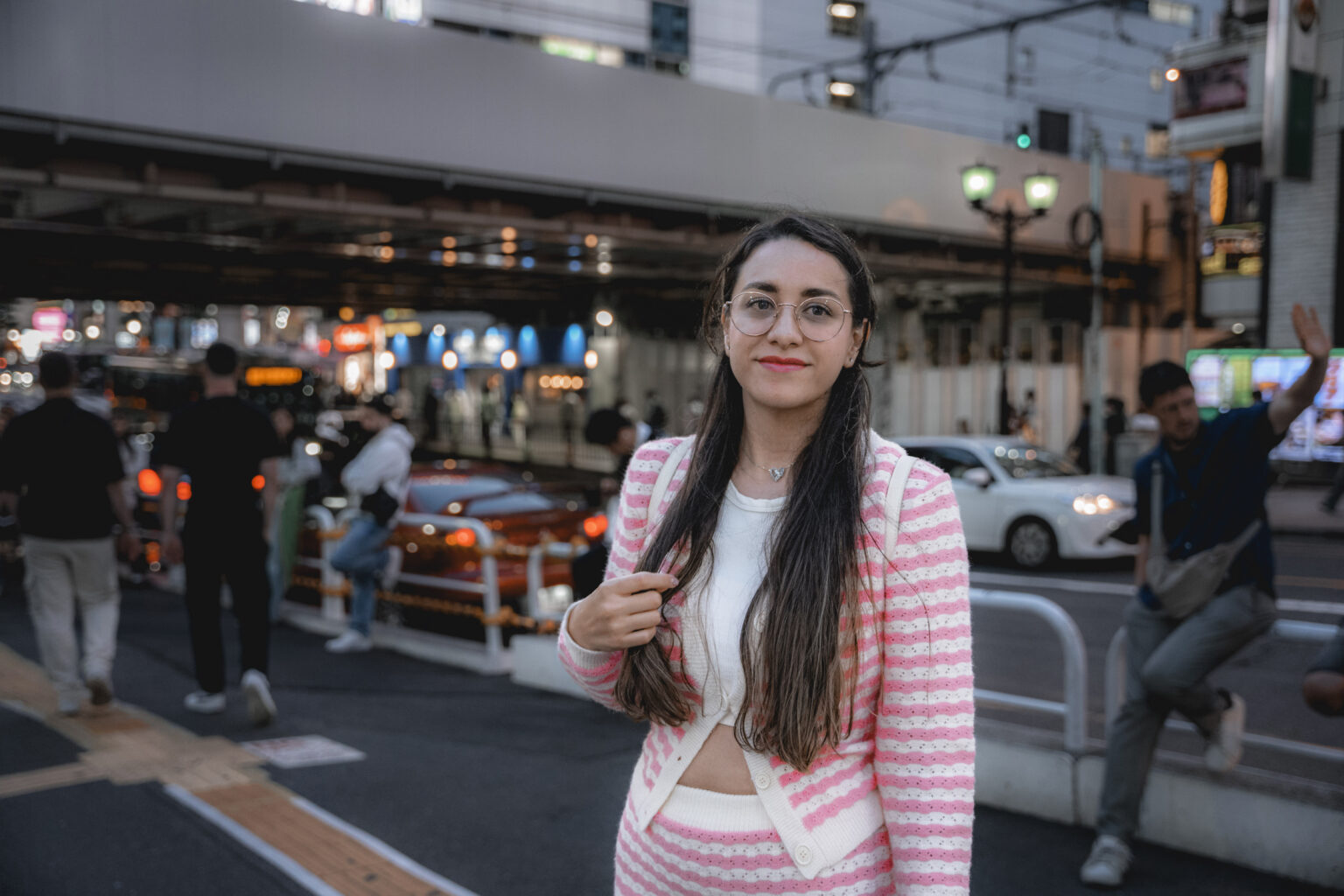
Then came Shibuya. That crosswalk you see on every postcard—the famous Scramble Crossing—that, when you see it, confirms: yes, you’re in Tokyo. We walked, breathed in the tide of people, found Hachiko, and I realized I’m more urban than contemplative: the city fuels me.
Our first Seven Eleven made us smile: eating well at a convenience store, with fair prices and impeccable quality, is one of those Japanese luxuries you should embrace guilt-free. Too bad the tour rushed us: thirty minutes isn’t enough. We came back days later, at our own pace, and the area gave us another face, by day and by night.
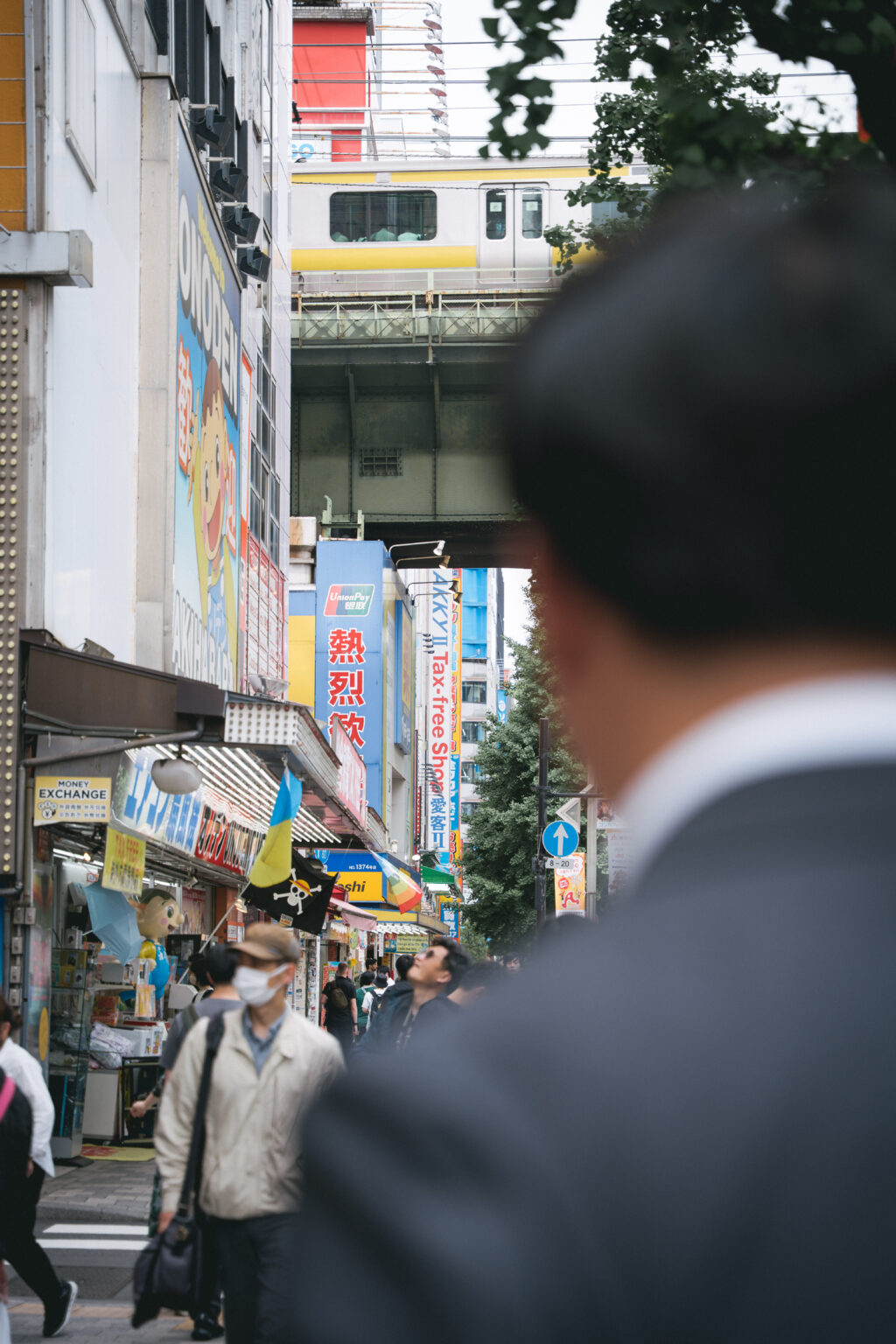
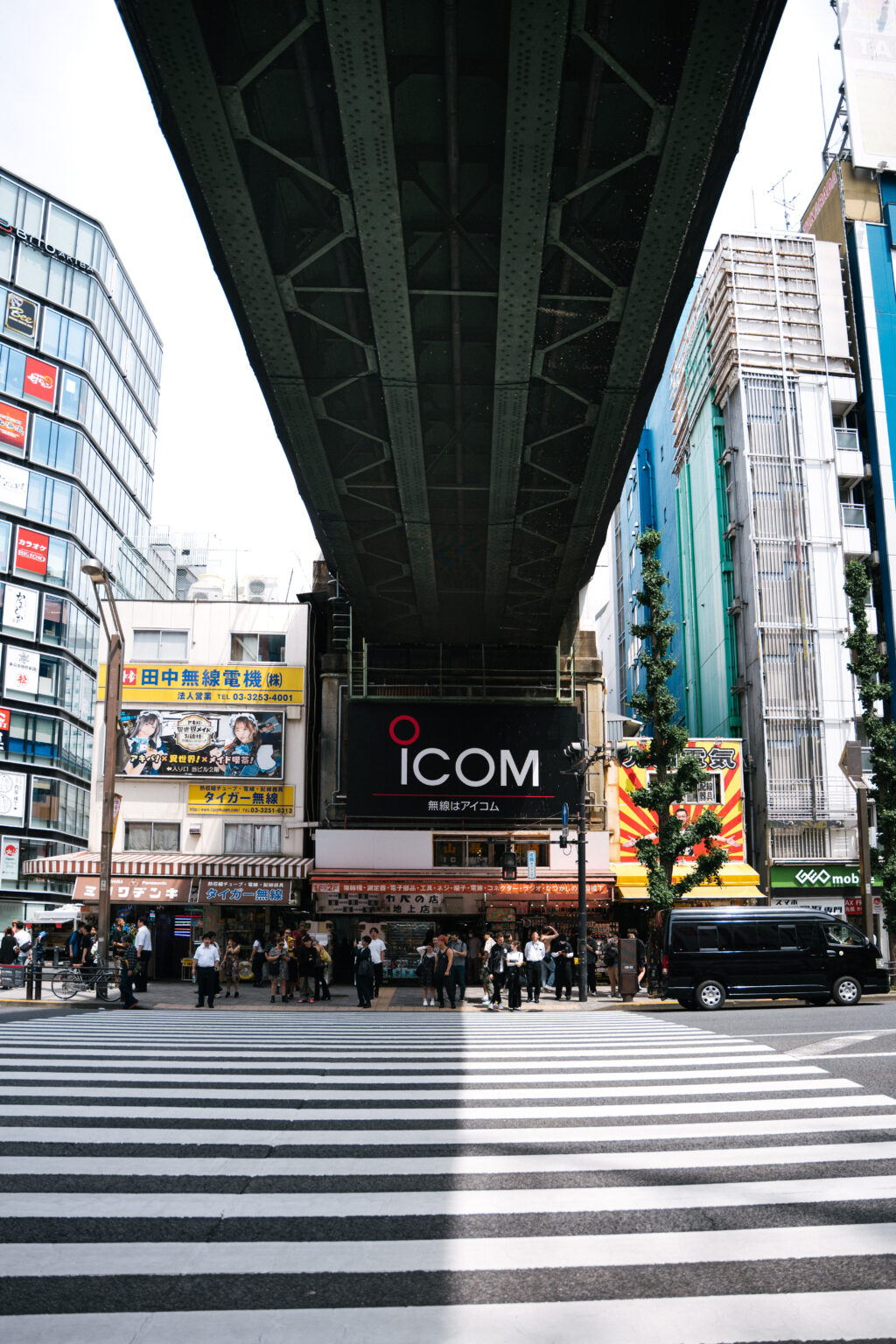
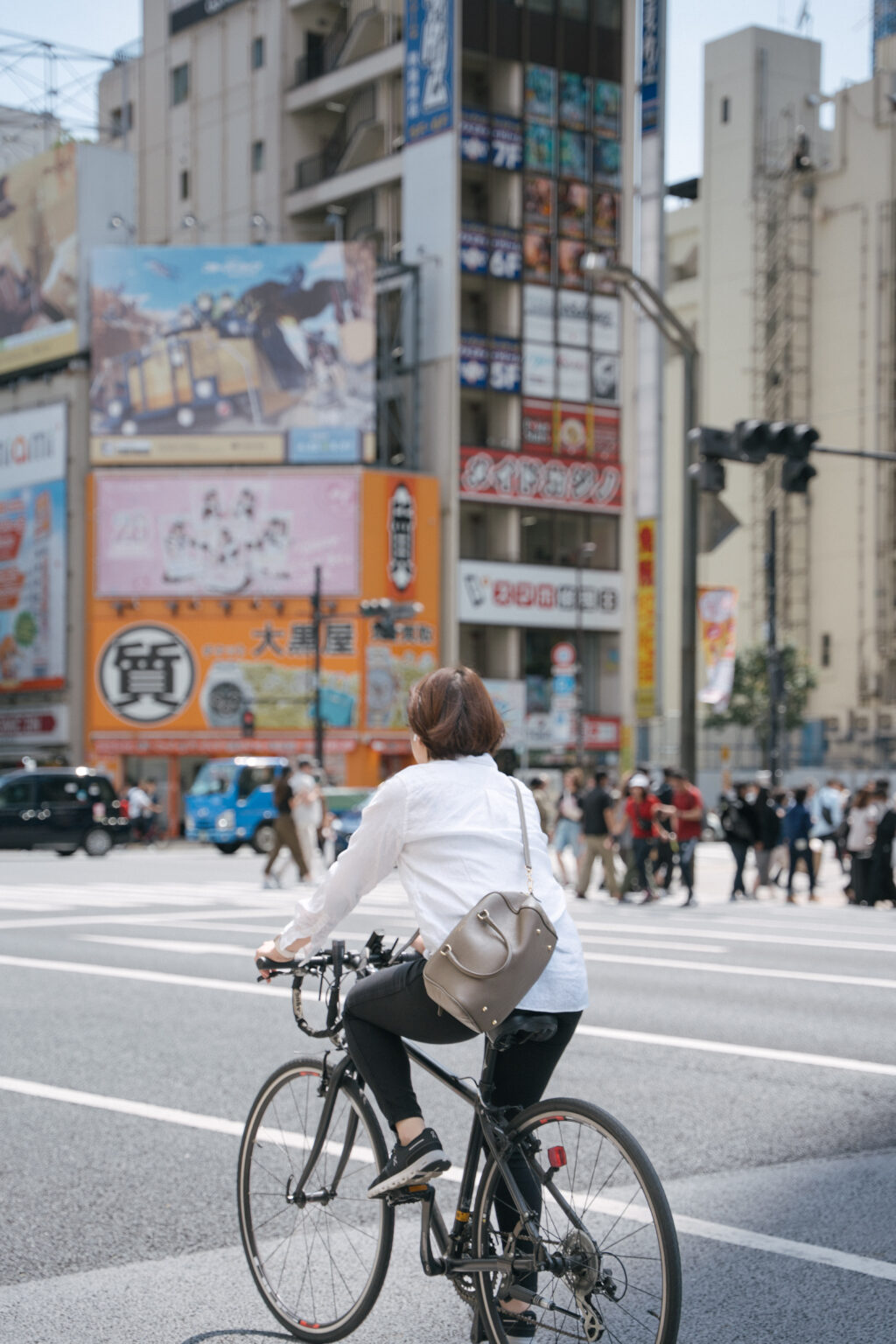
Akihabara is the ultimate otaku district. Anime shops, video games, figurines, endless arcades. Neither my wife nor I are anime fans; what we know is what we watched as kids: Dragon Ball, Pokémon, Yu-Gi-Oh. Still, we enjoyed it: playing in arcades, getting lost among glass cases, feeling that unapologetic geek energy. I thought: “A true fan would be levitating here.” And it made me happy that there’s a place where that passion is celebrated so openly.
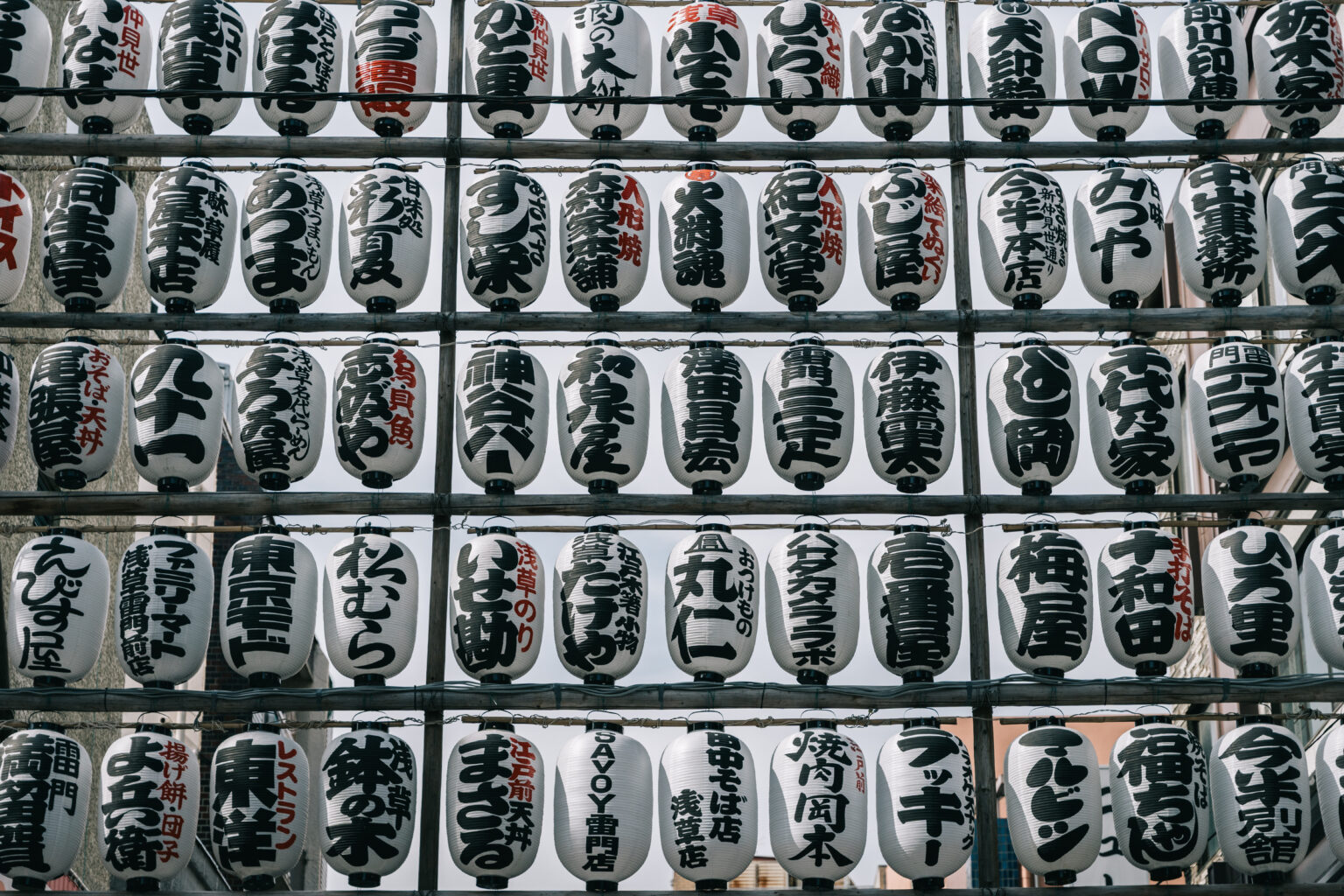
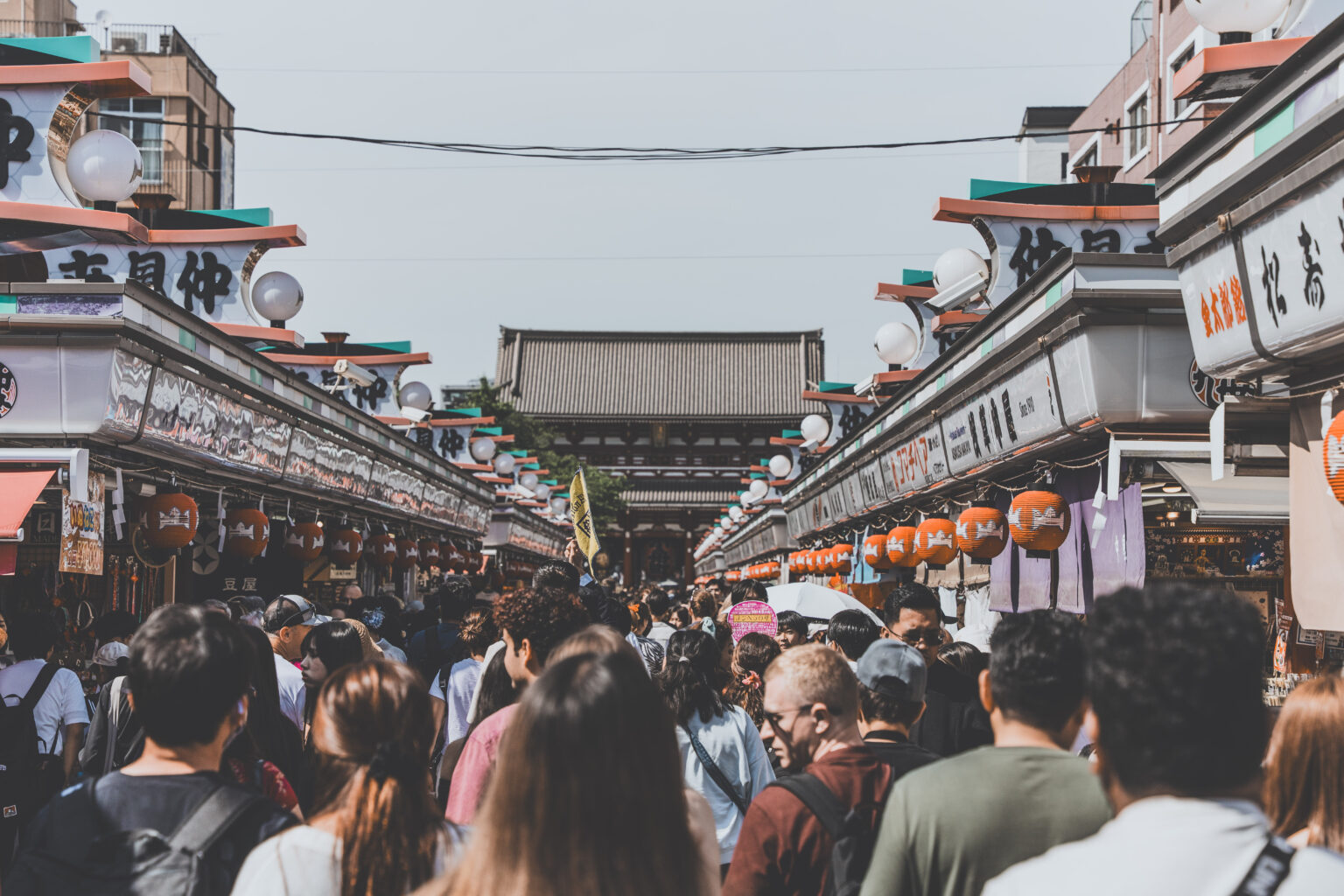
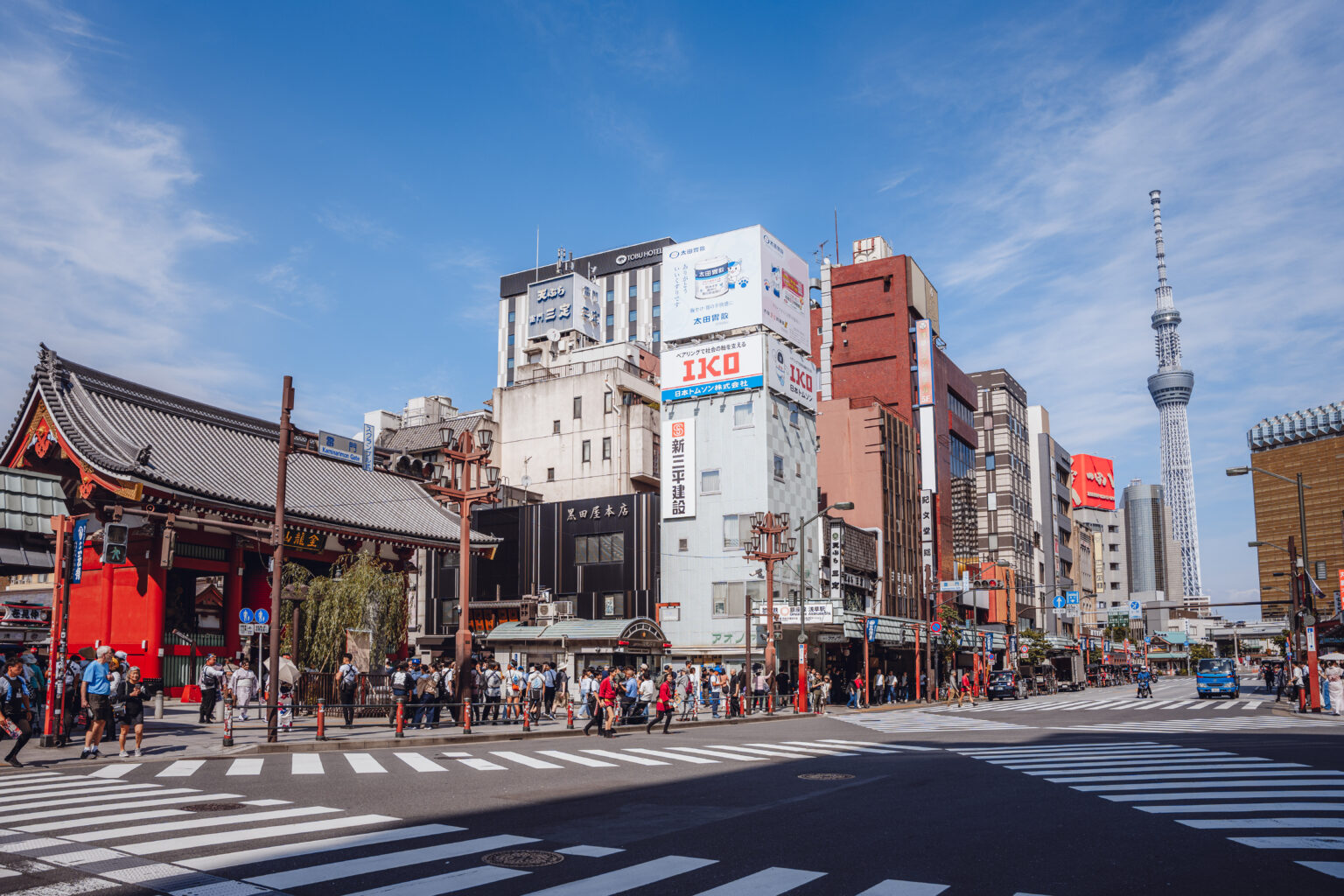
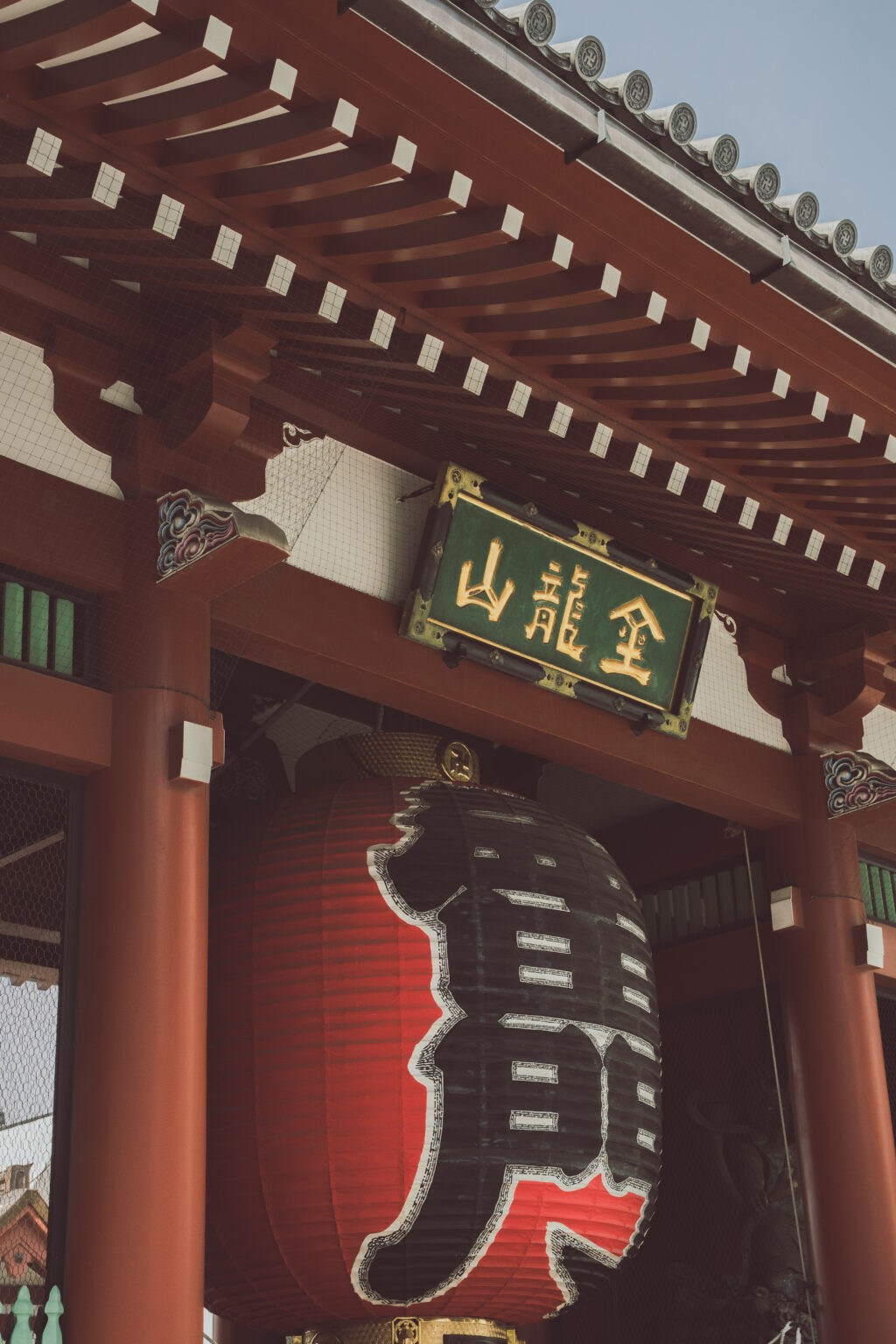
We went back to temples, this time in Taito. The path is flanked by stalls and shopping arcades. This one is impressive: bigger, more majestic, with the sense of grandeur you expect from an important temple. It wasn’t a silent place (the crowds were massive), but the walk among the shops made up for it: colors, smells, souvenirs. On a tour, time is a tyrant; luckily, we returned another day.
Practical note: shopping in Japan is surprisingly affordable. Even in touristy areas, prices are usually fair, and food is cheap and excellent. Not “complicated”: neat in the best sense, straightforward, with flavors that rarely push you to extremes. If you go for very traditional dishes, you might find some challenging ingredients; otherwise, eating well is almost automatic.
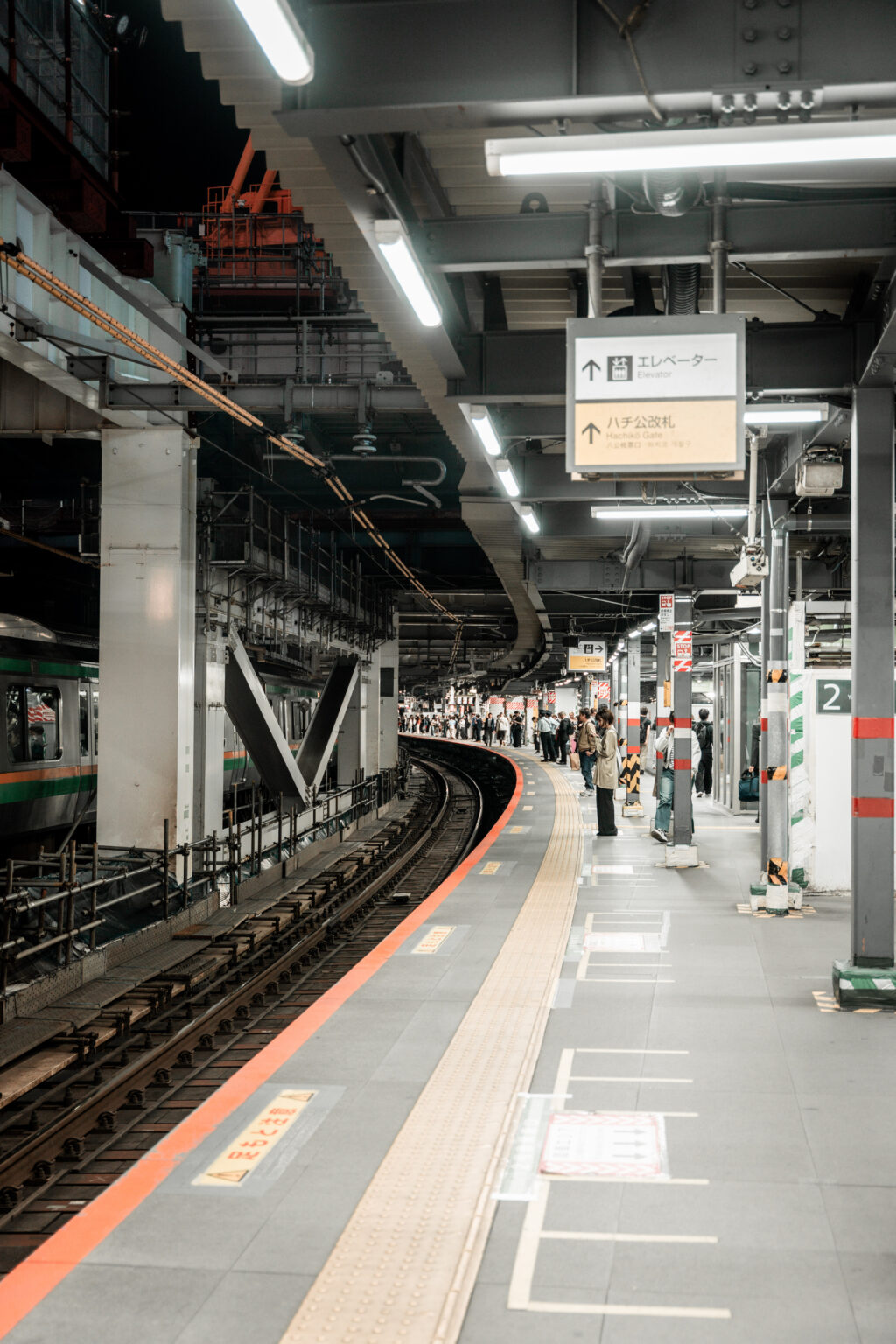
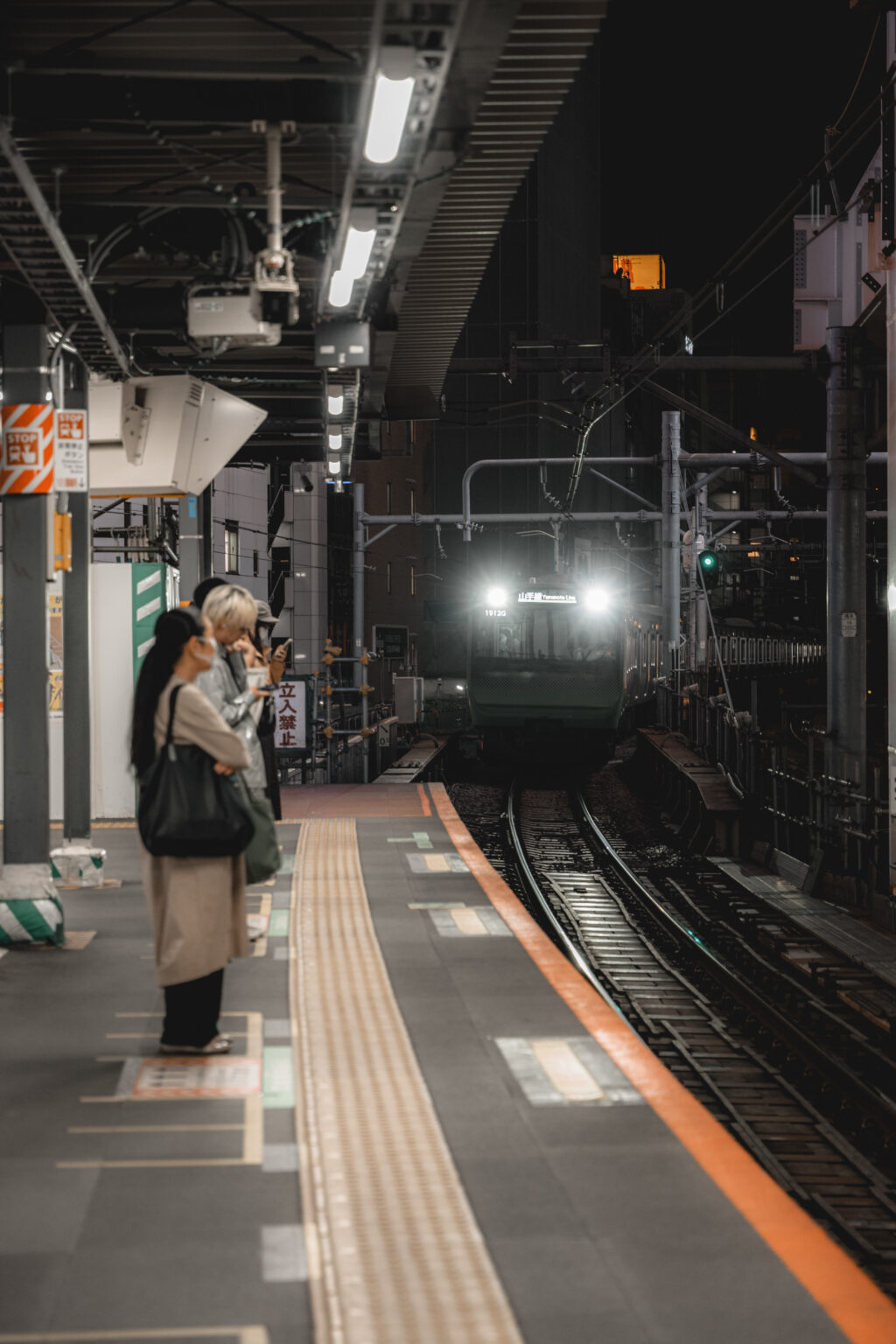
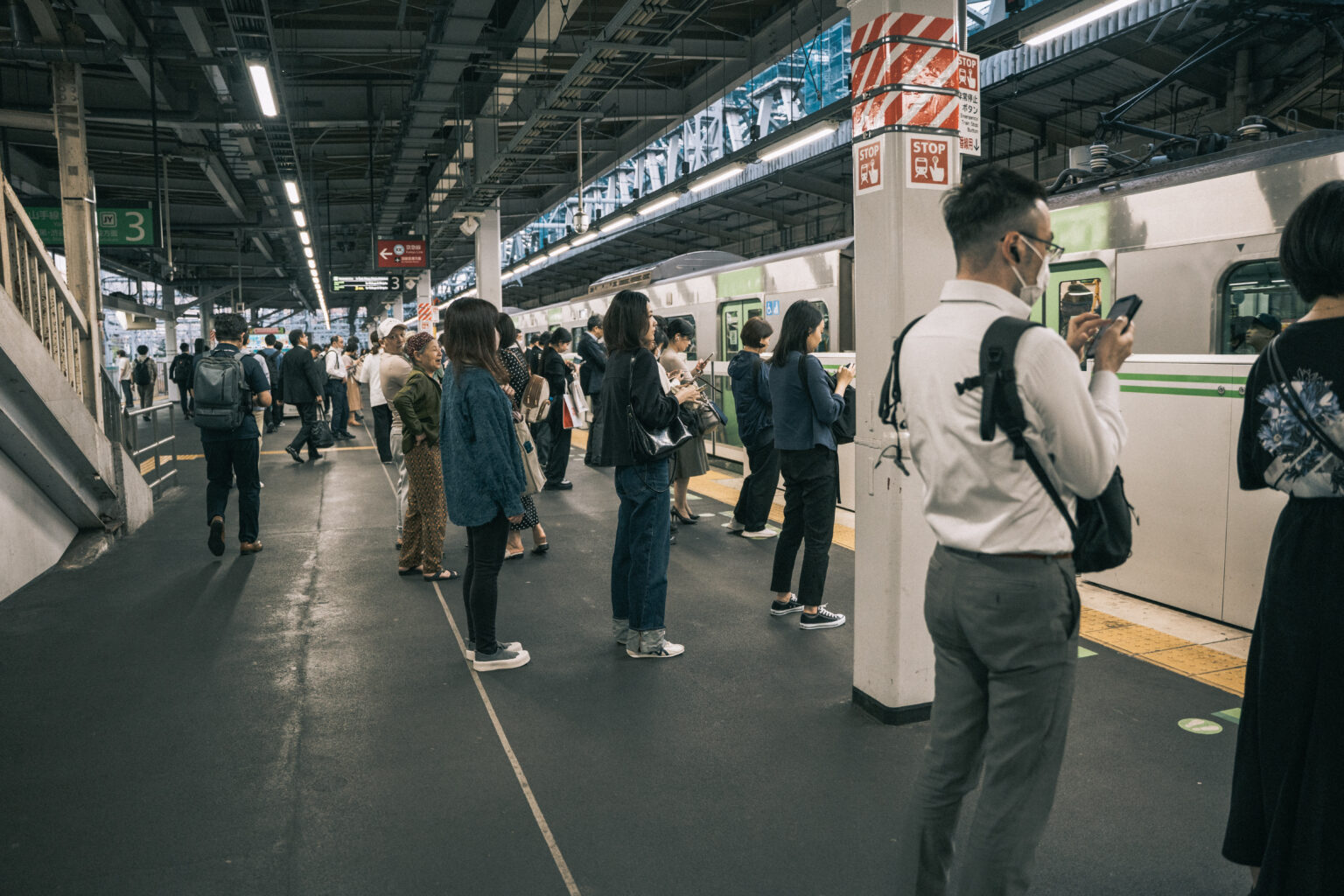
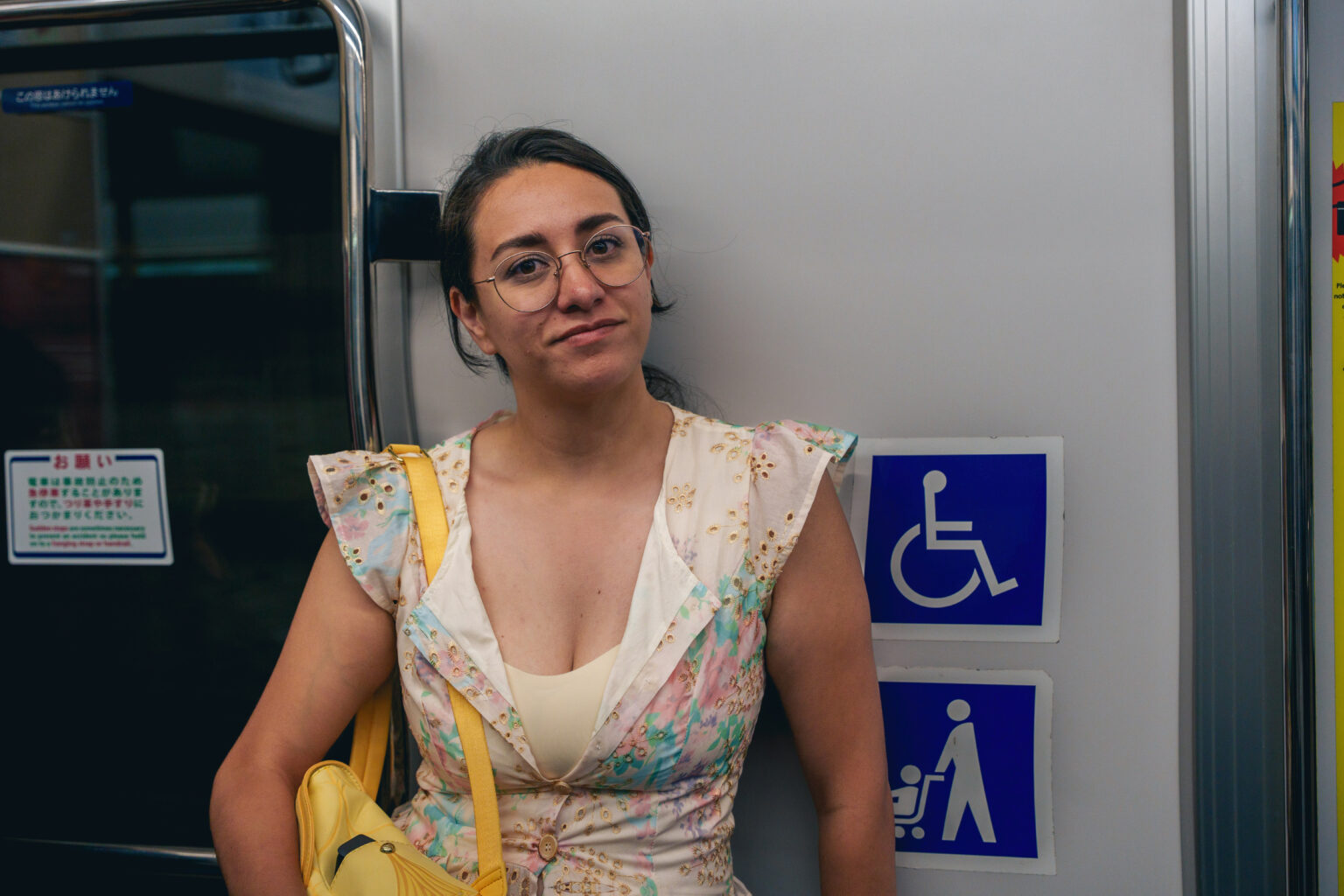
Riding the subway is a delight. Orderly, clean, efficient. Yes, there are rush hours, but we never felt that crushing crowd we know in Mexico City. Tokyo is mapped out in lines and platforms, and on every ride you confirm that public systems work.
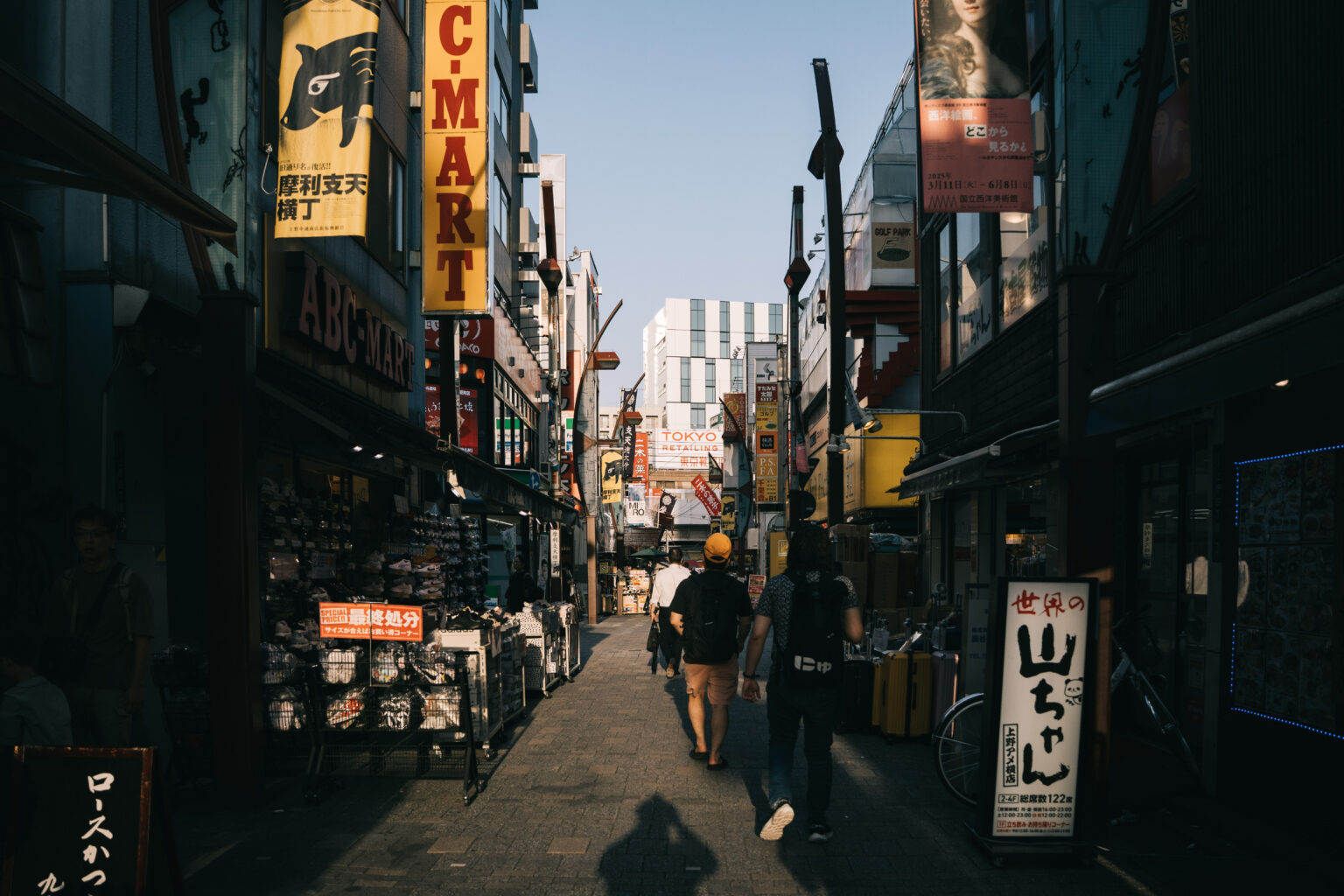
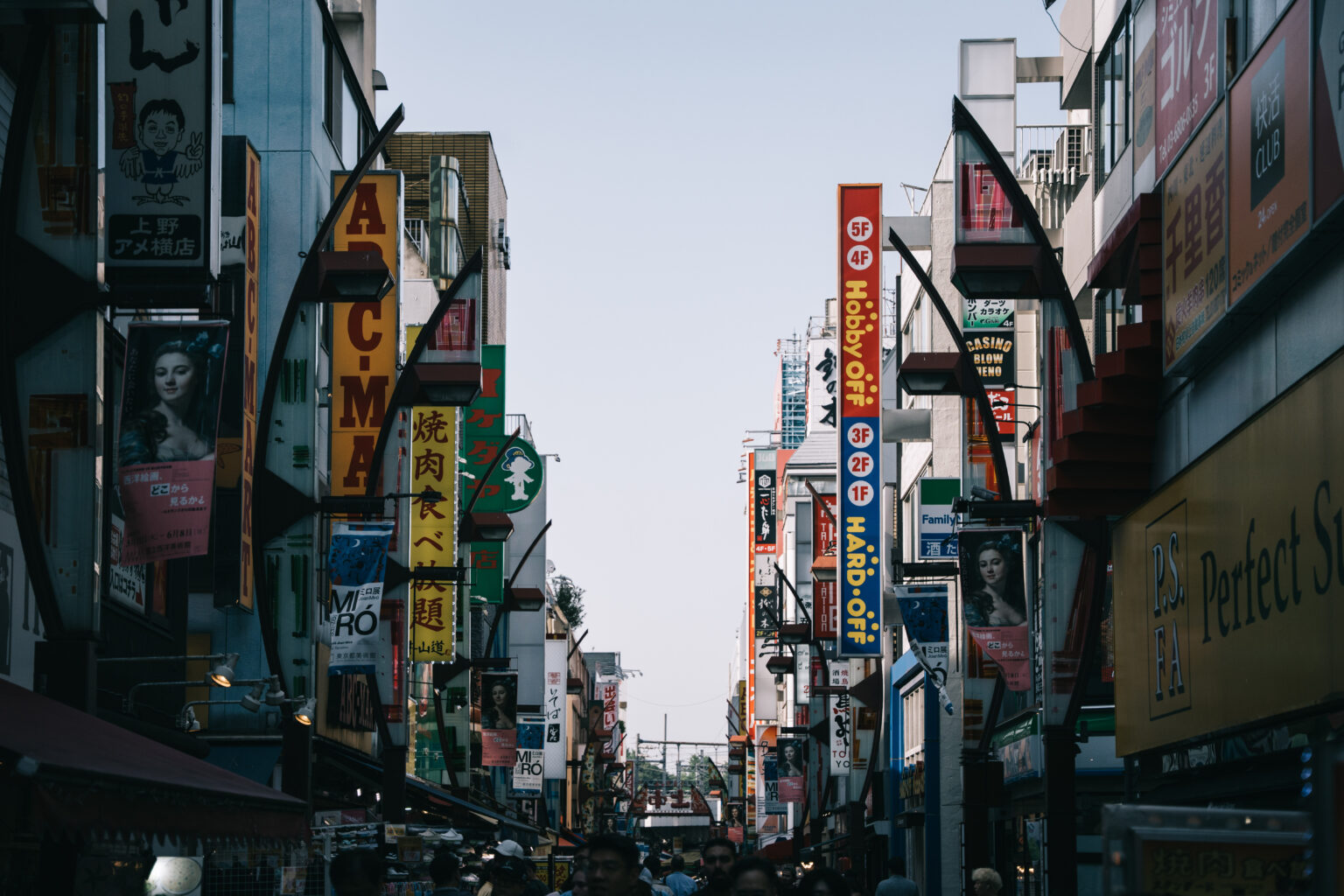
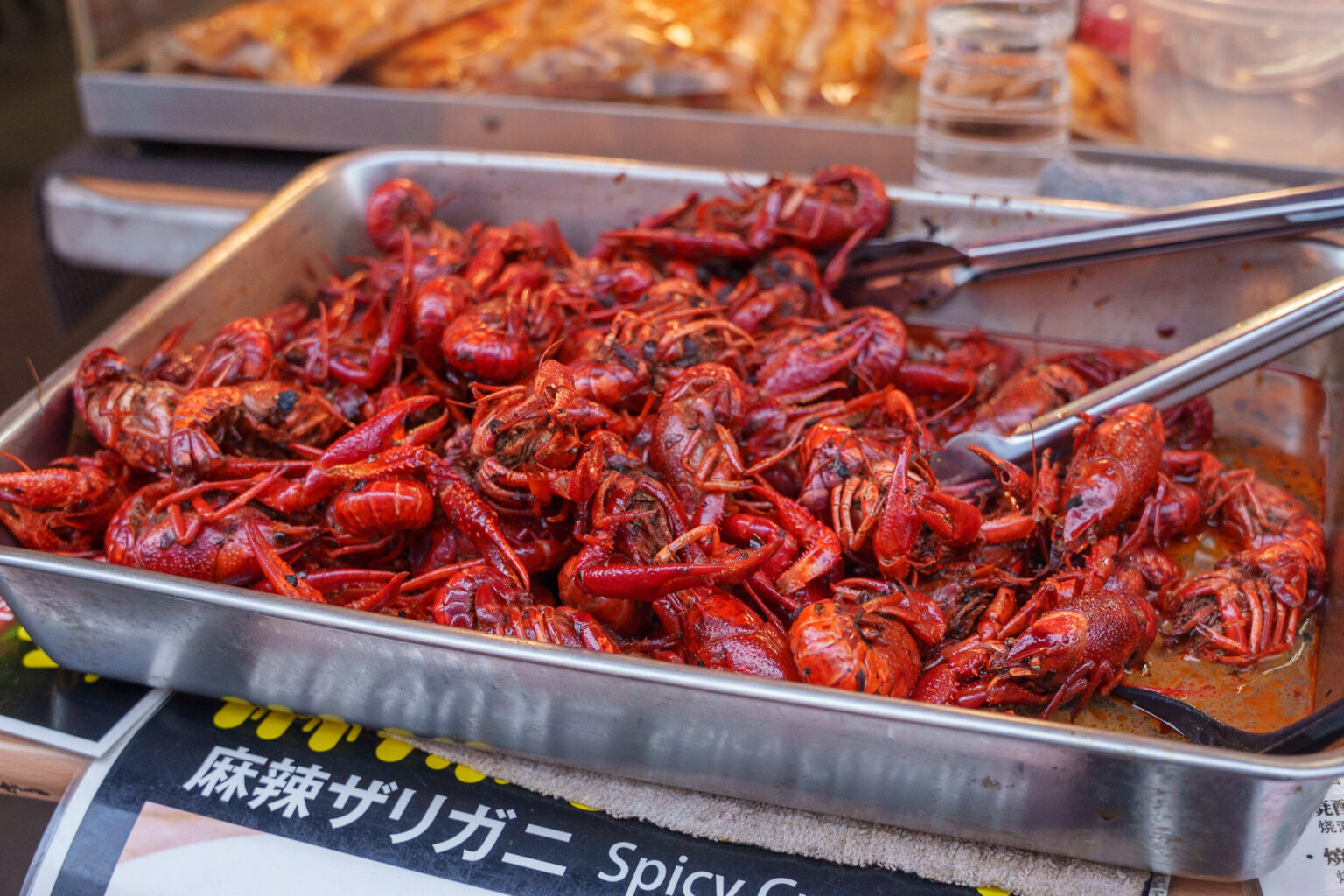
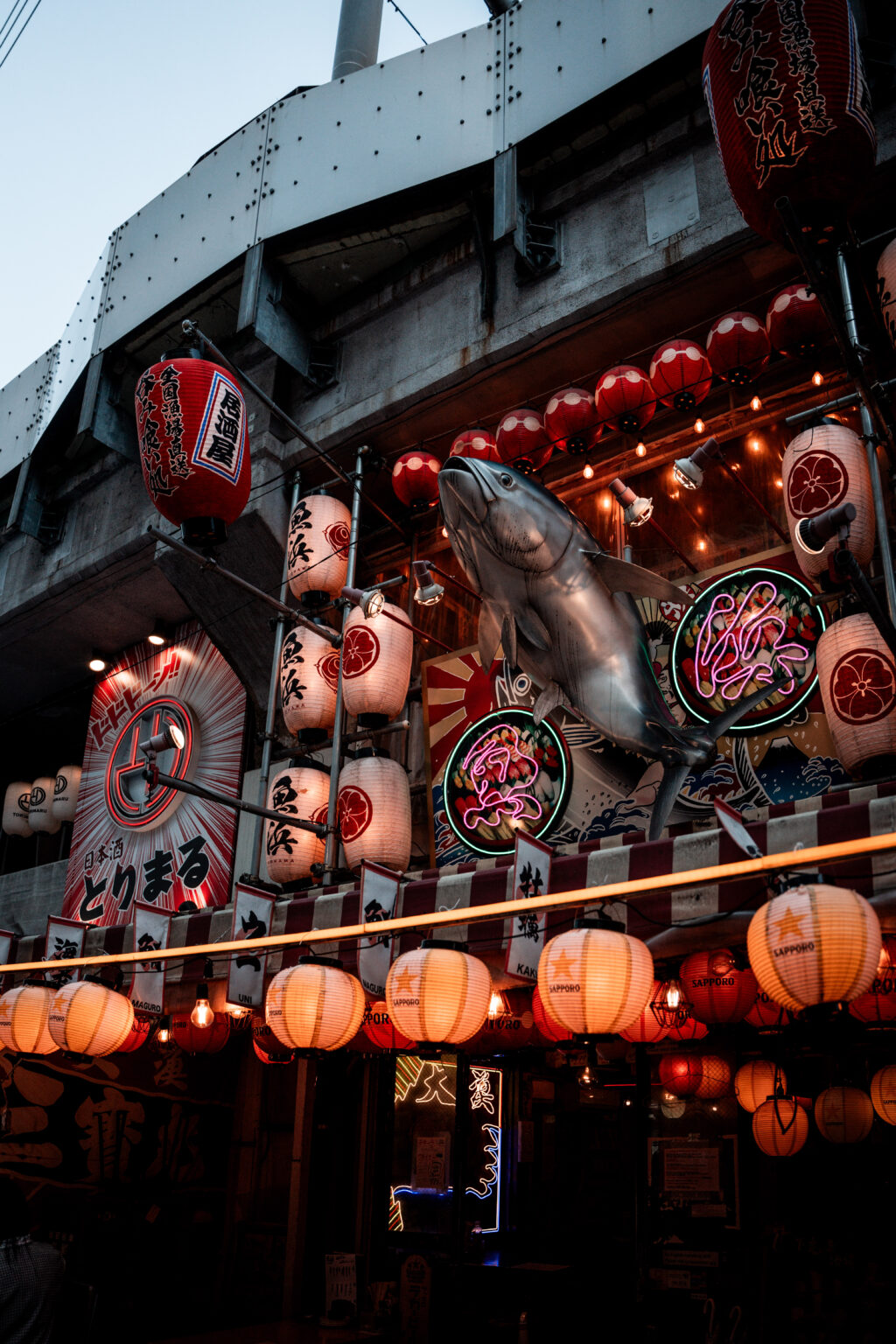
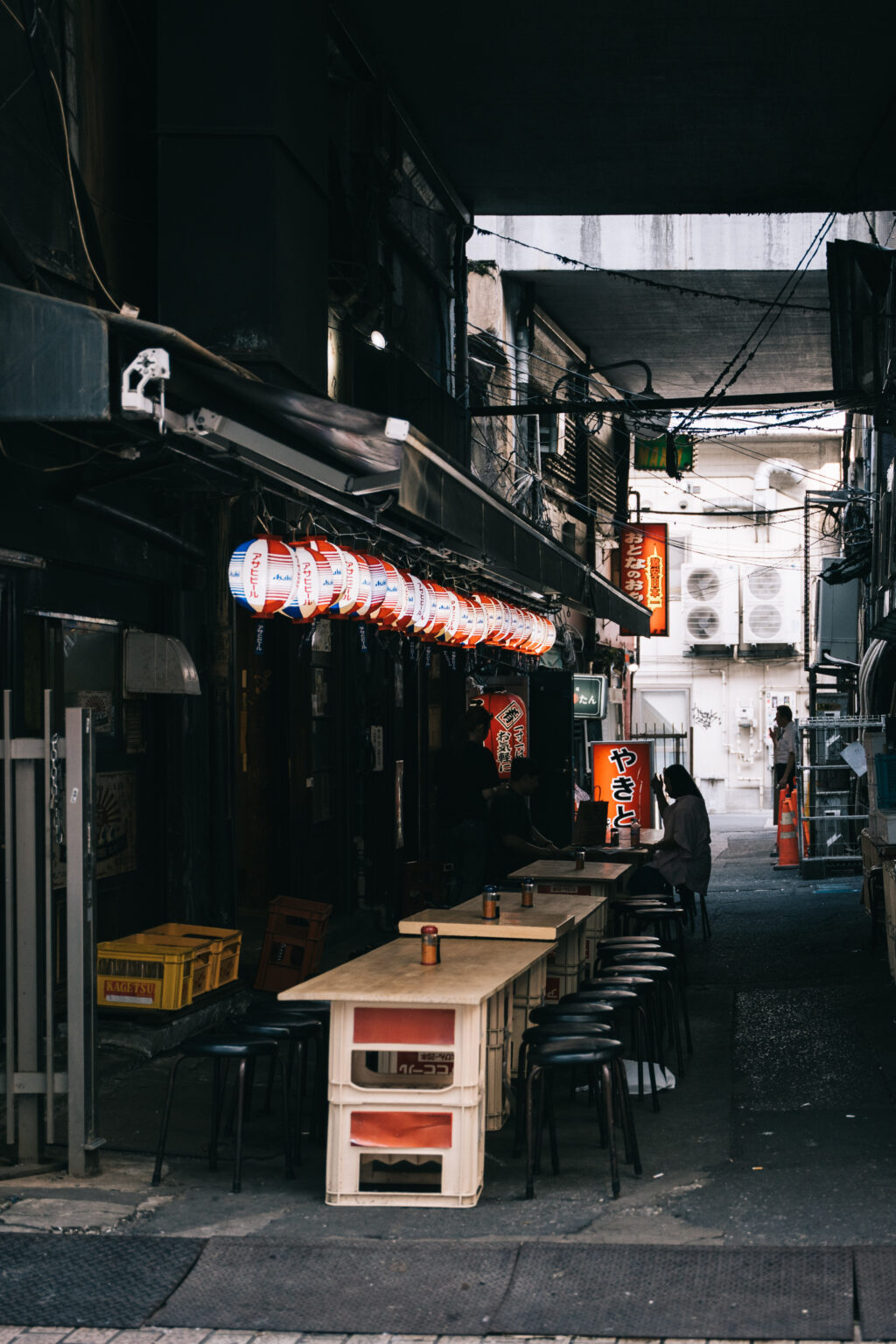
Days later, back in Tokyo, we went to Ueno. There’s a market famous for its “exotic” food and for being, let’s say, less tidy than the rest of the city. We were surprised to even find piracy: Chapo T-shirts, weird bootlegs with Mario nods. Japan has edges too, and seeing them adds texture to the trip.