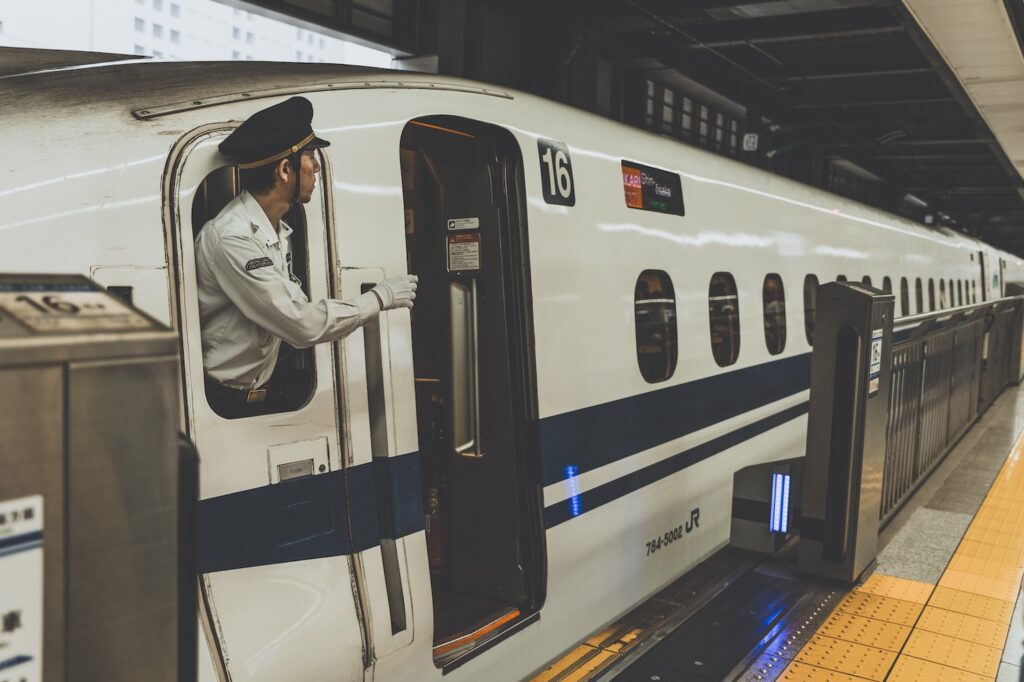
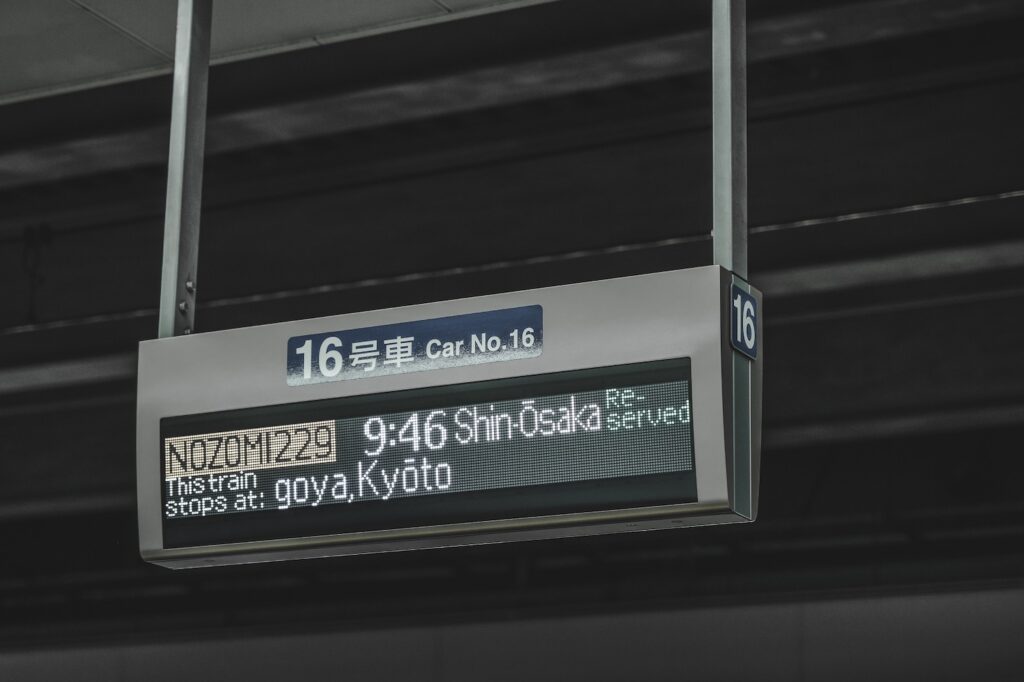
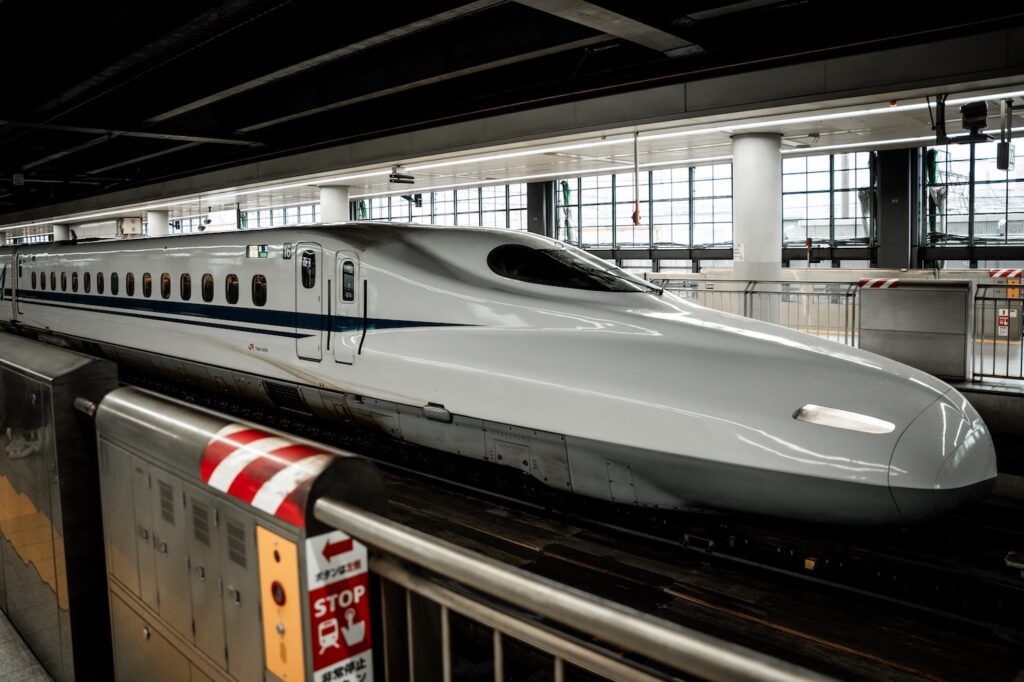
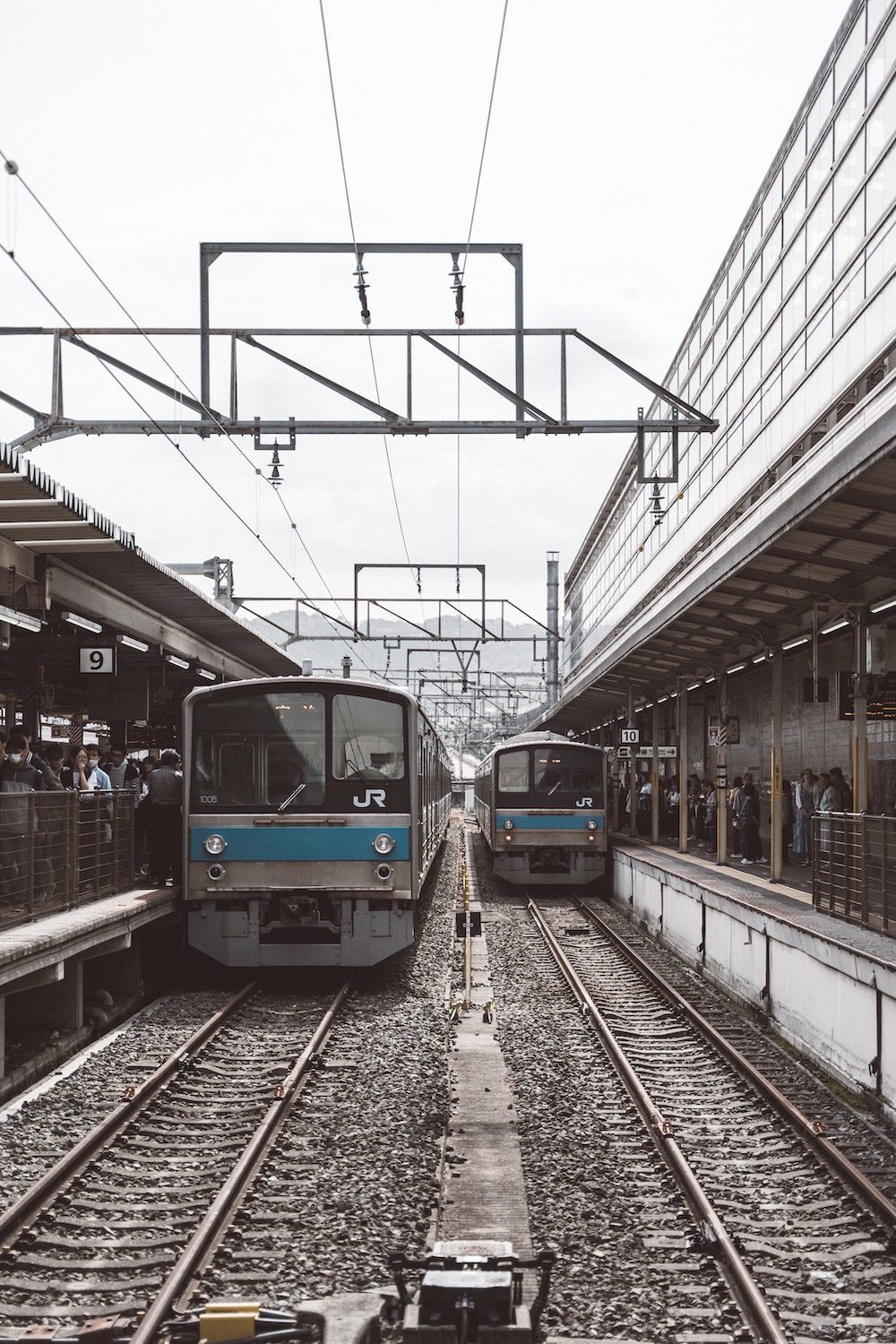
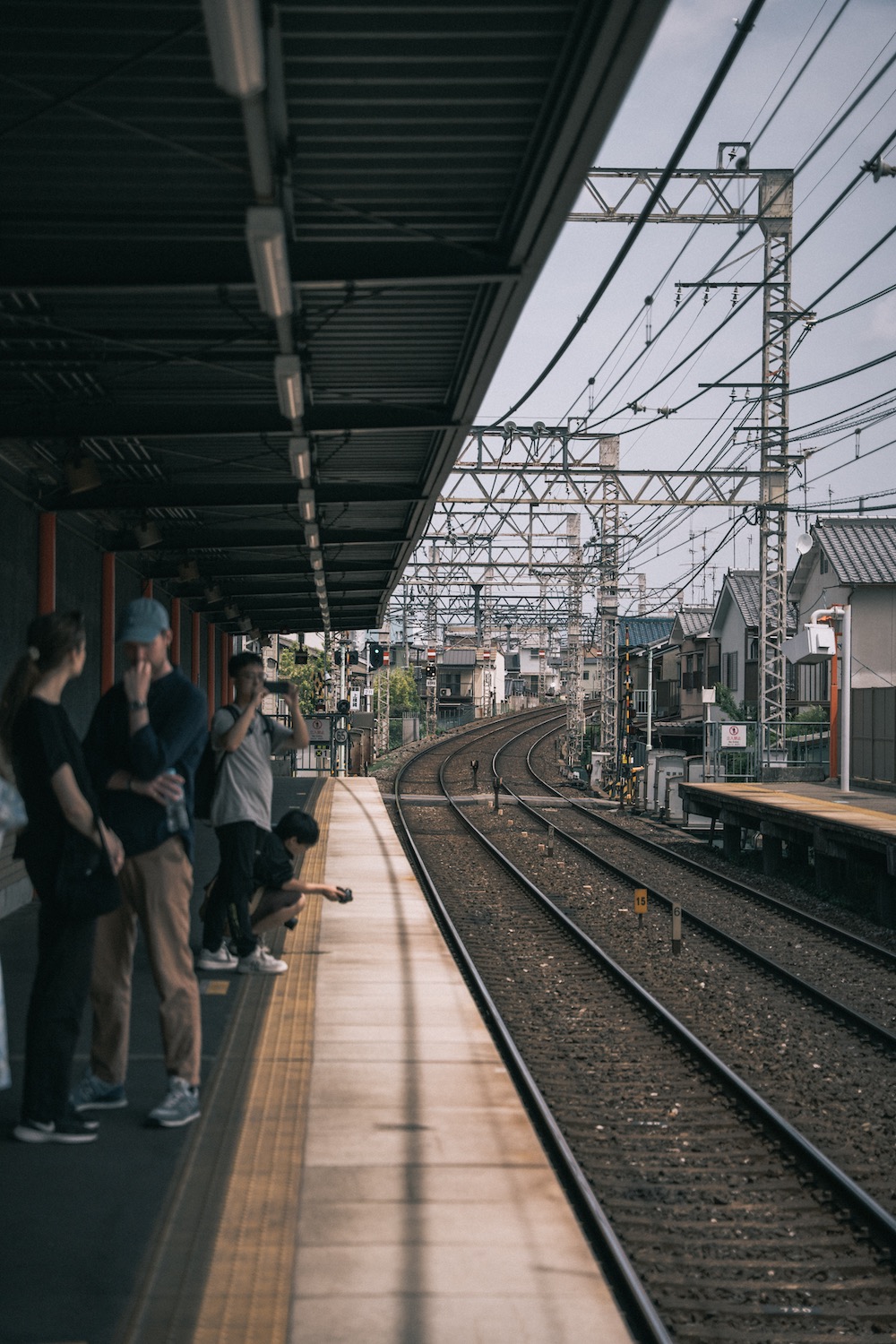
We left from the station near our hotel in Tokyo and took the Shinkansen. In Japan, they don’t call it the “bullet train”; it’s simply Shinkansen. The ticket cost us around 1,200 Mexican pesos. There’s an option for reserved seats at a higher price, but honestly, we didn’t feel it was necessary.
The train is a show of efficiency: a trip that would take about six hours by bus takes around two and a half (depending on the service and stops). Quiet, orderly, comfortable. That sensation of ground-level speed, watching the landscape pass by, reminds you that traveling can be restorative.
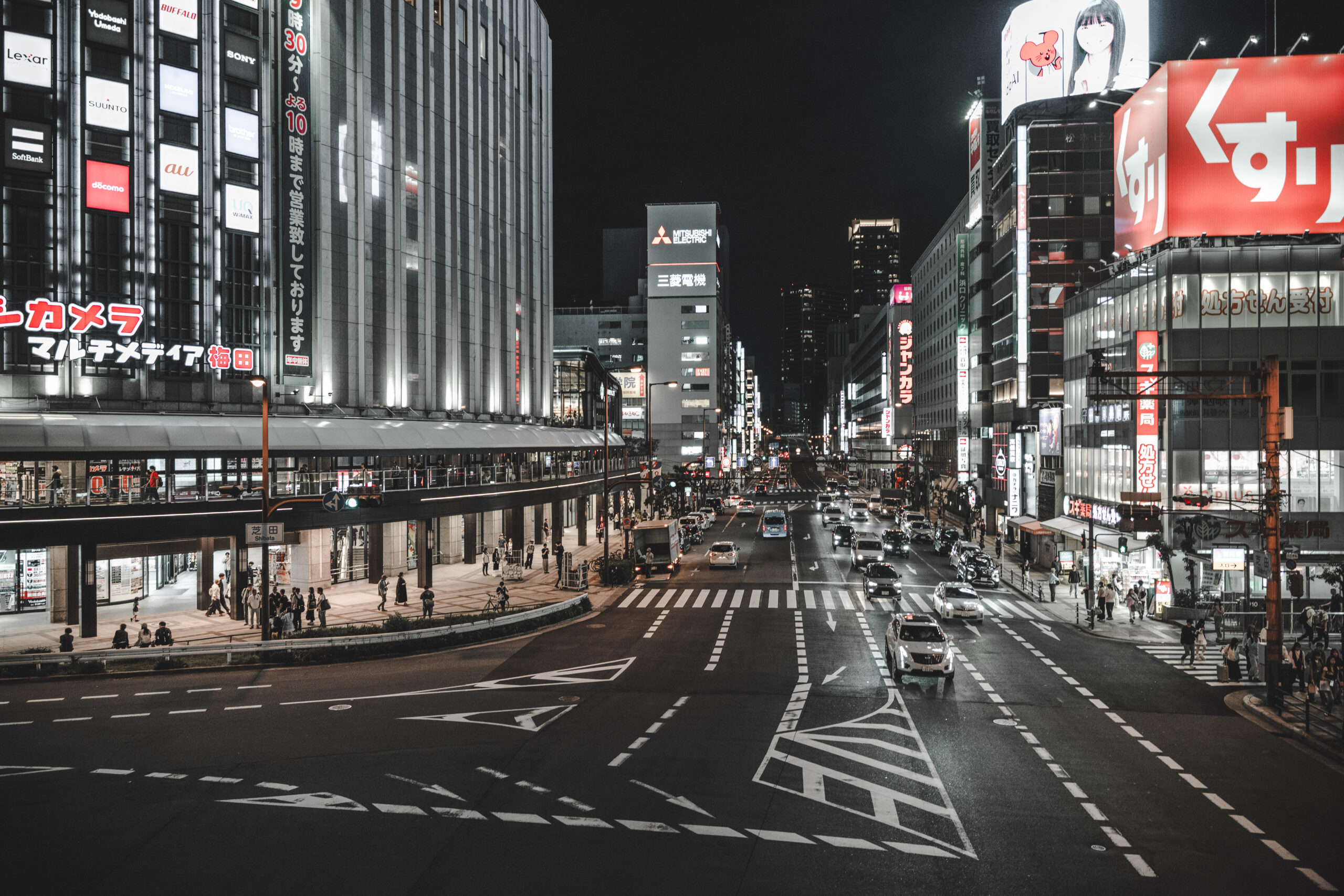
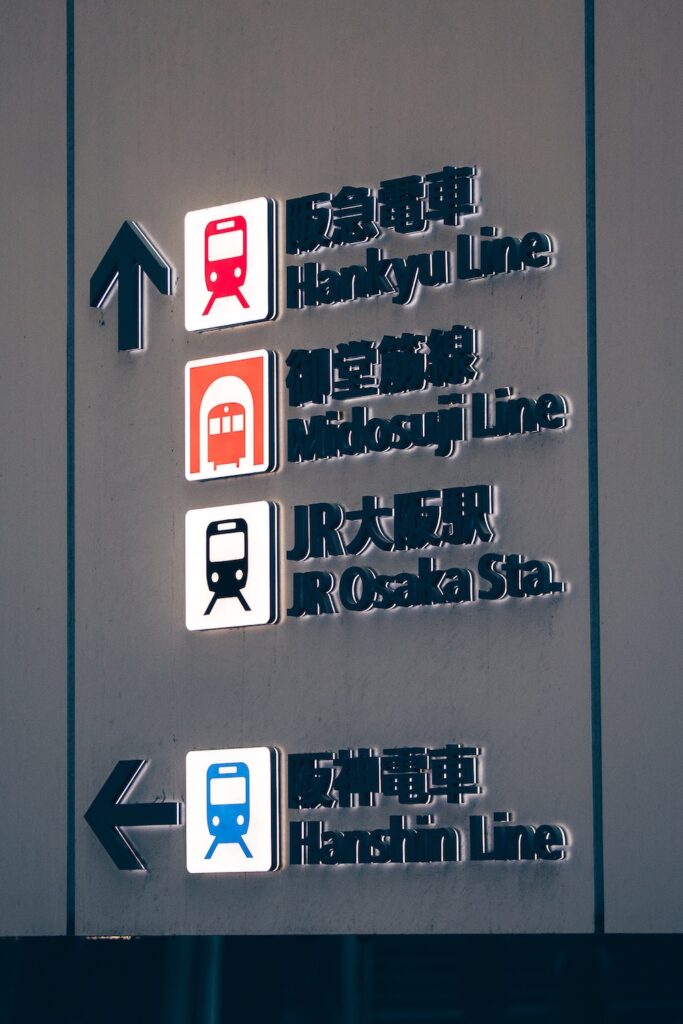
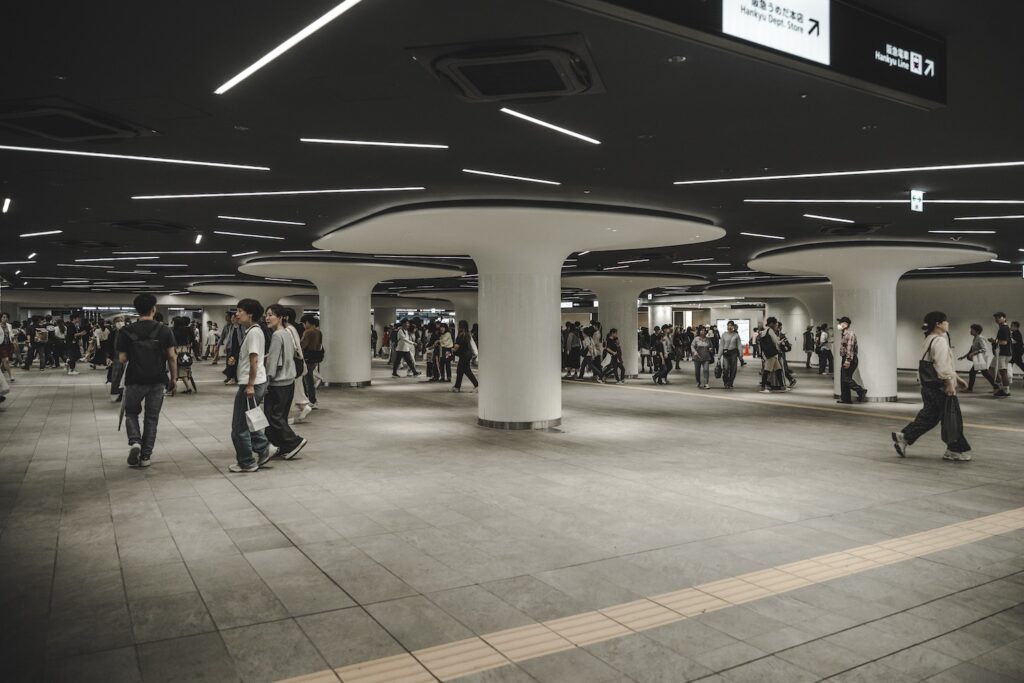
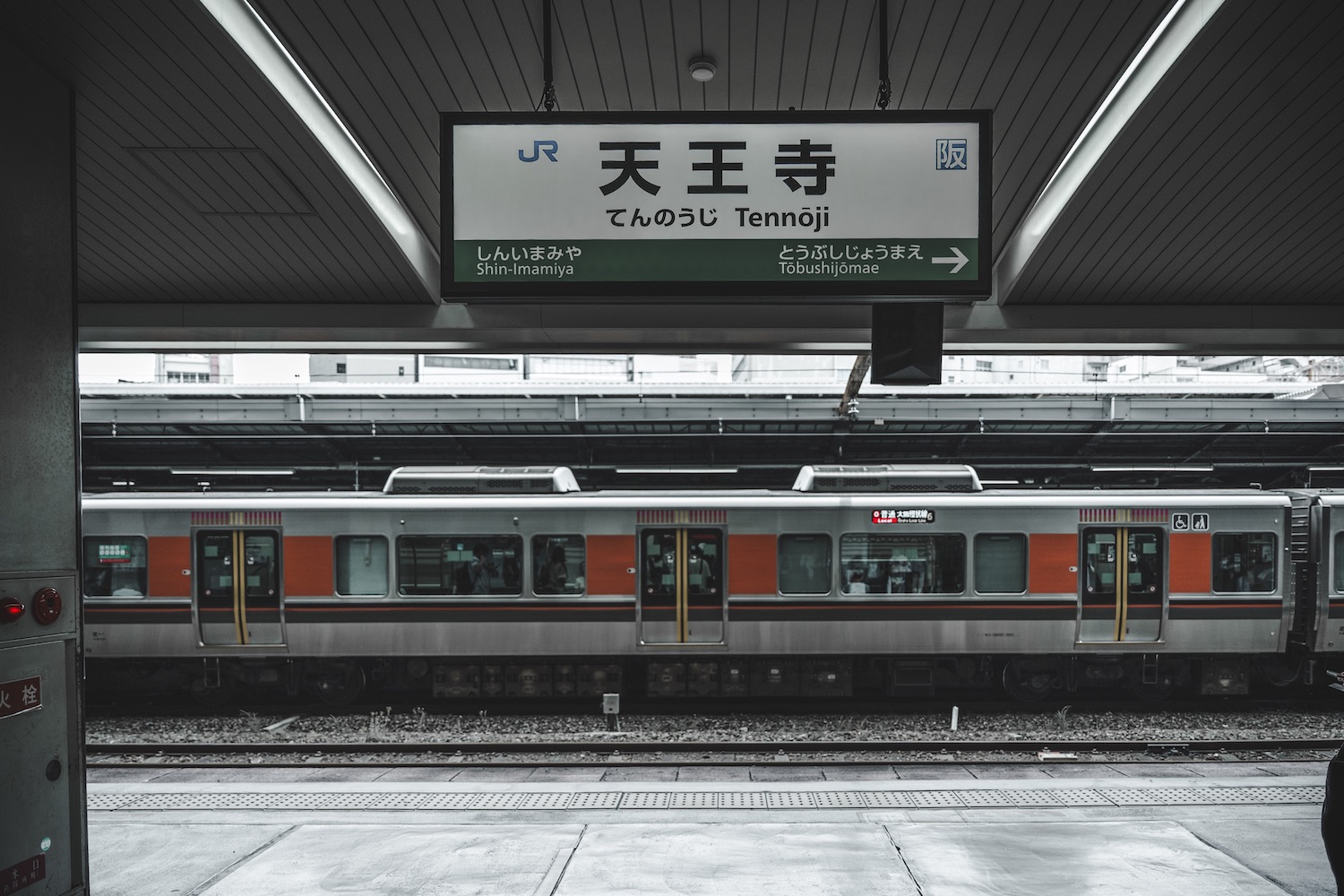
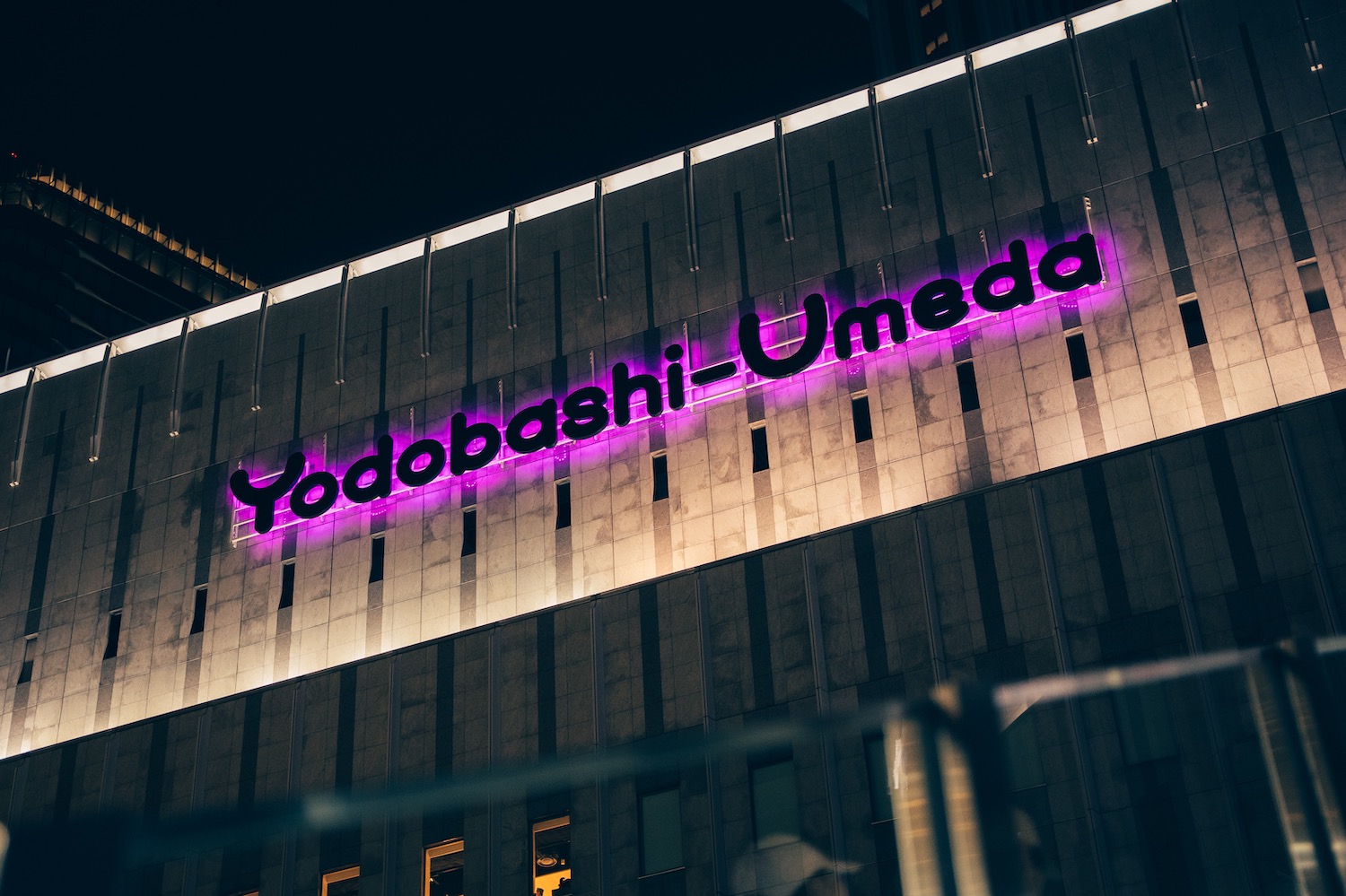
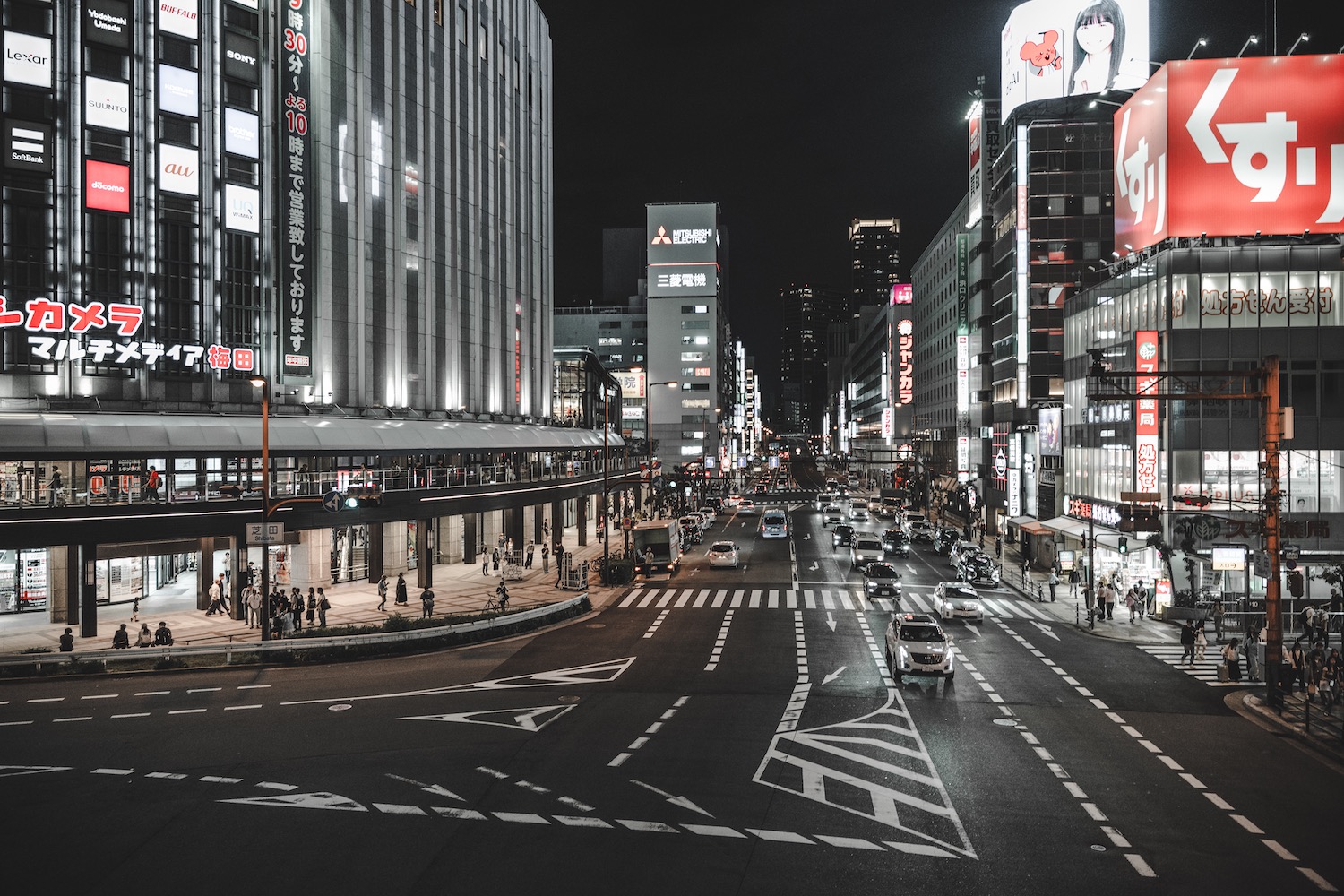
We arrived in Osaka and stayed at the Hotel Monterey. The station we used was Umeda/Yodobashi Umeda: huge, labyrinthine, one of those that makes you walk half an hour to exit.
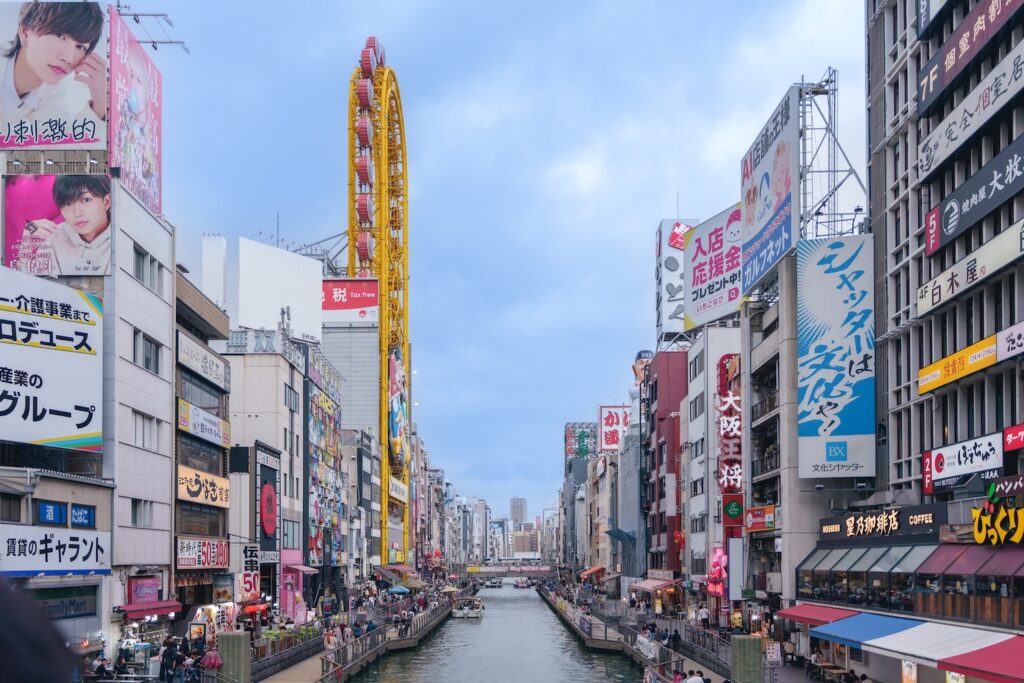
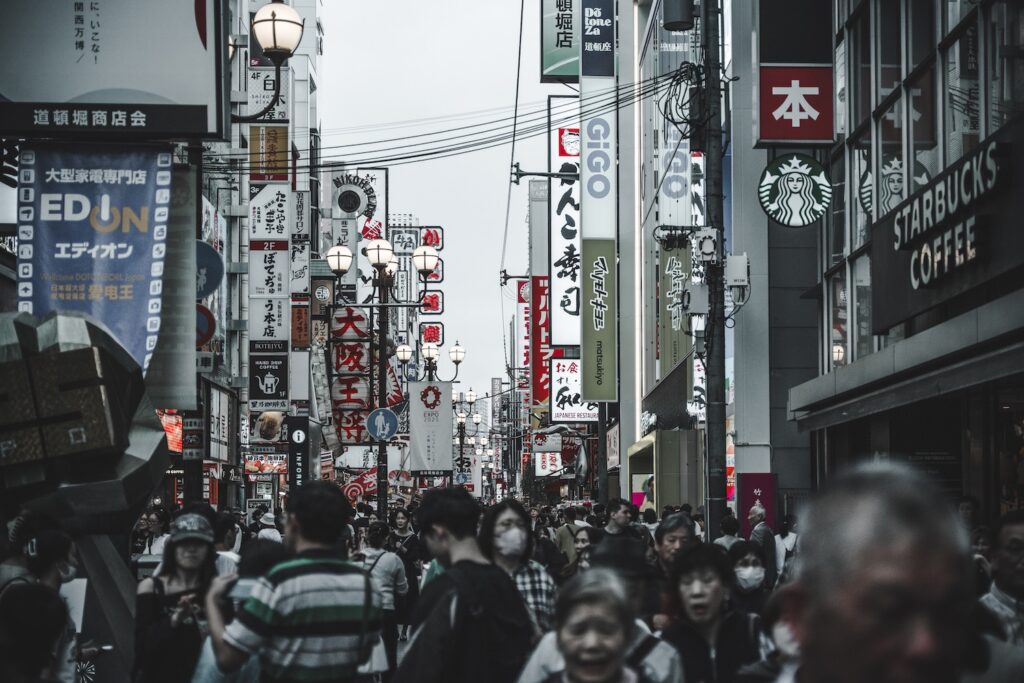
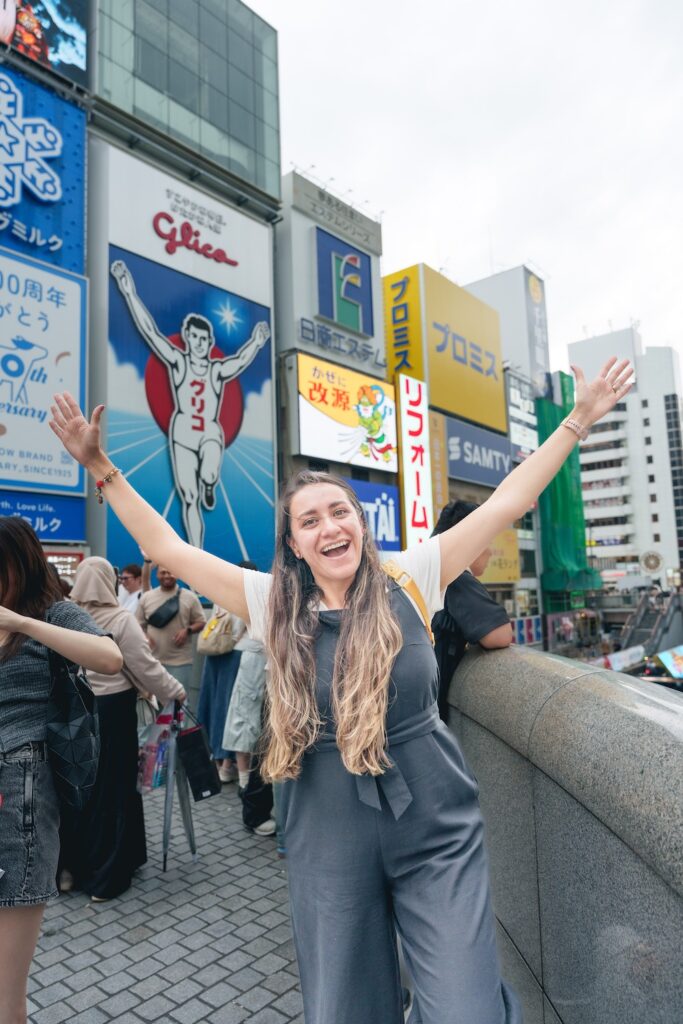
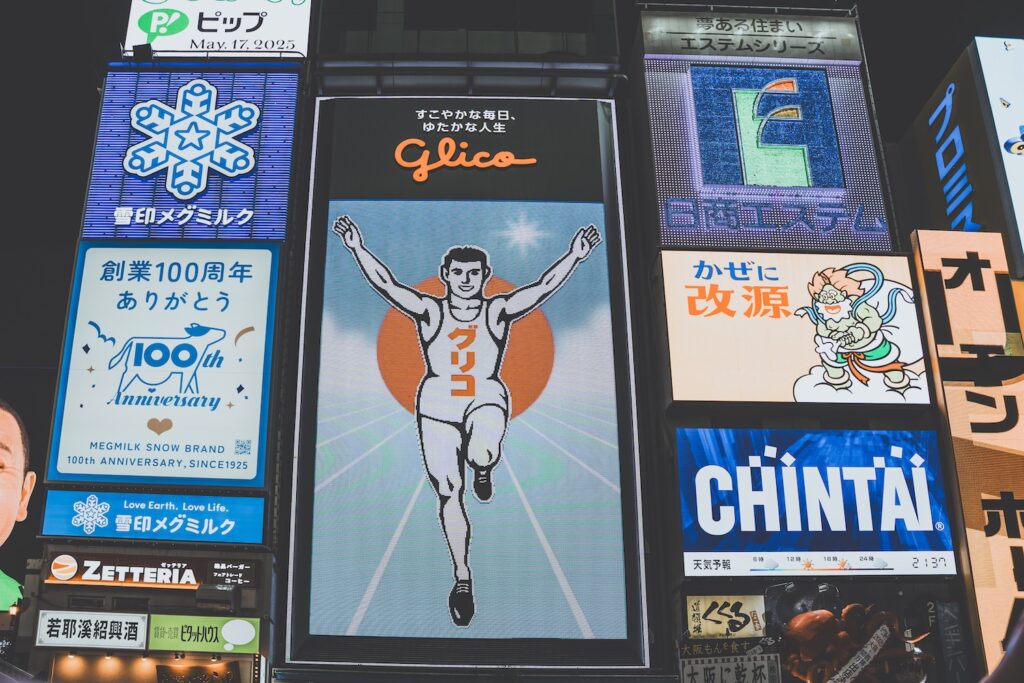
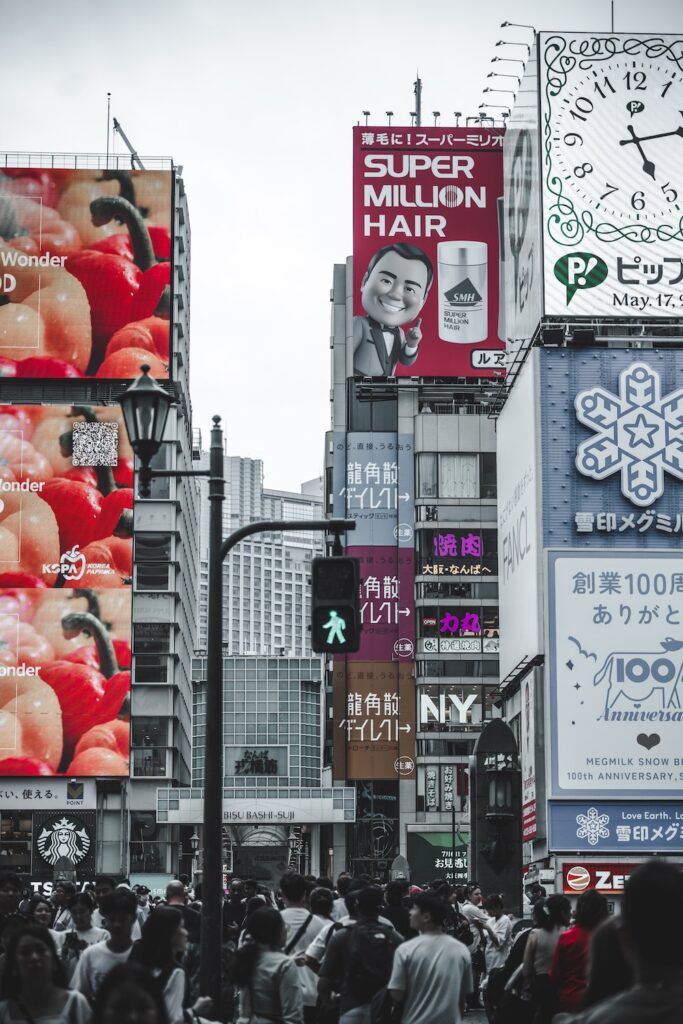
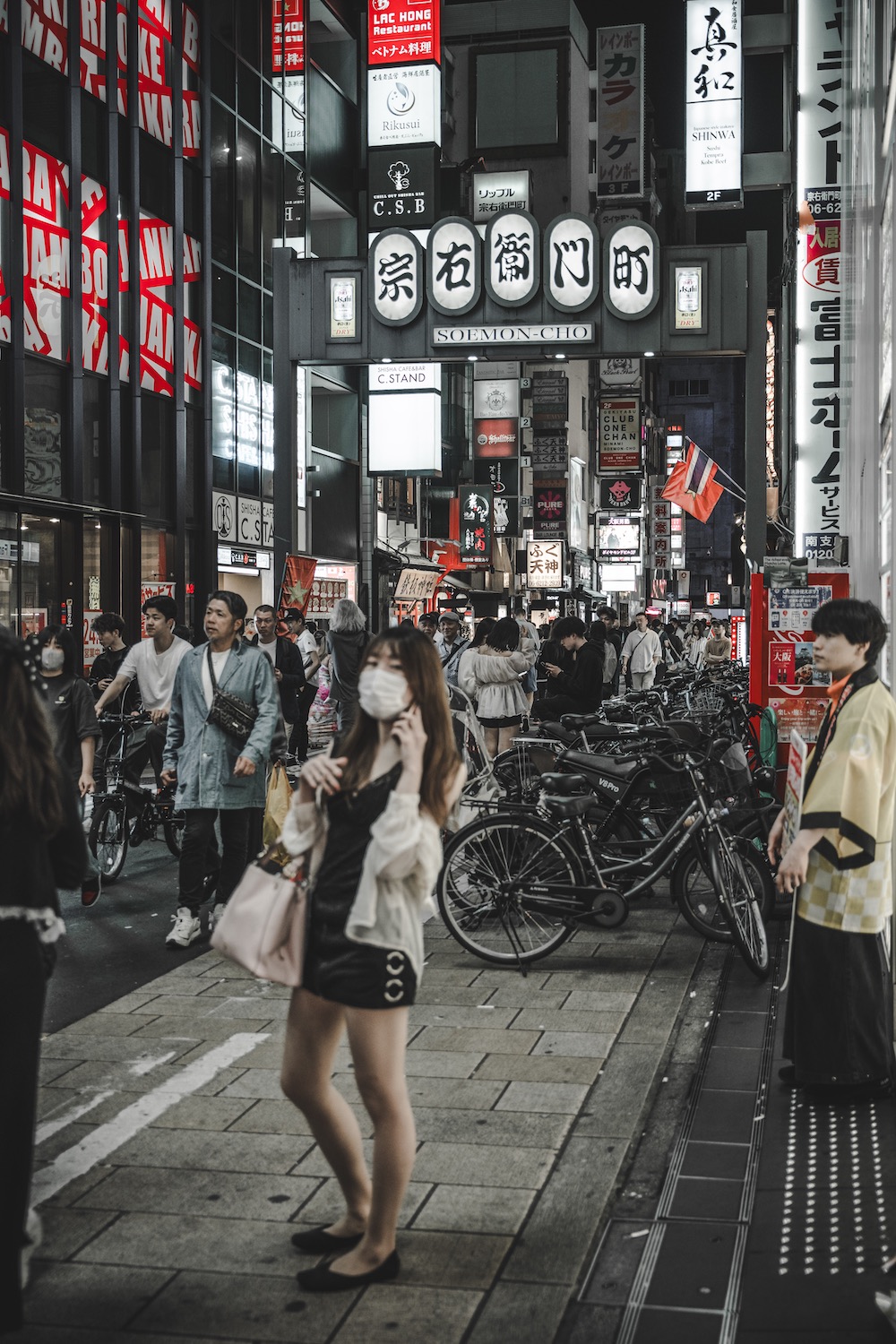
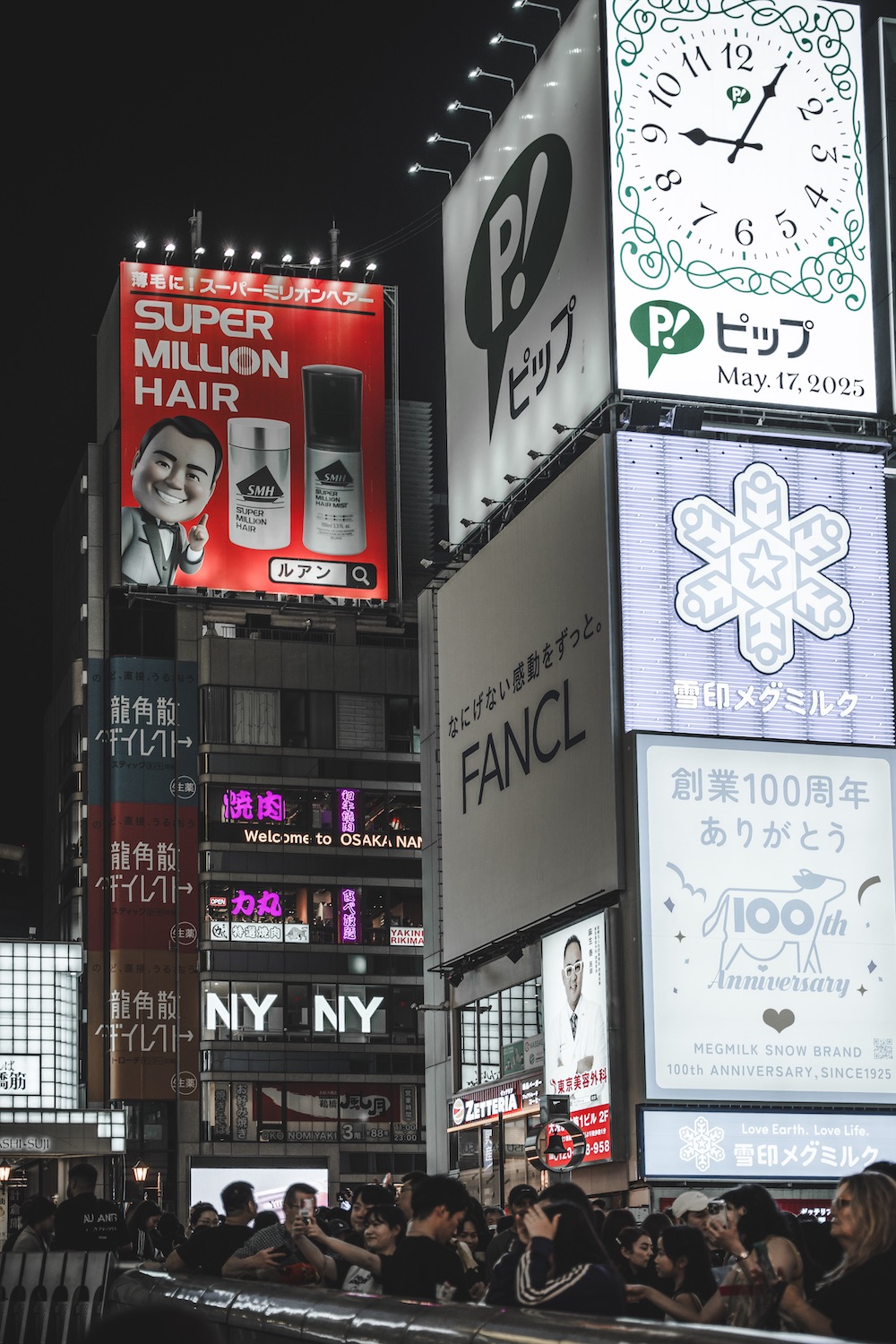
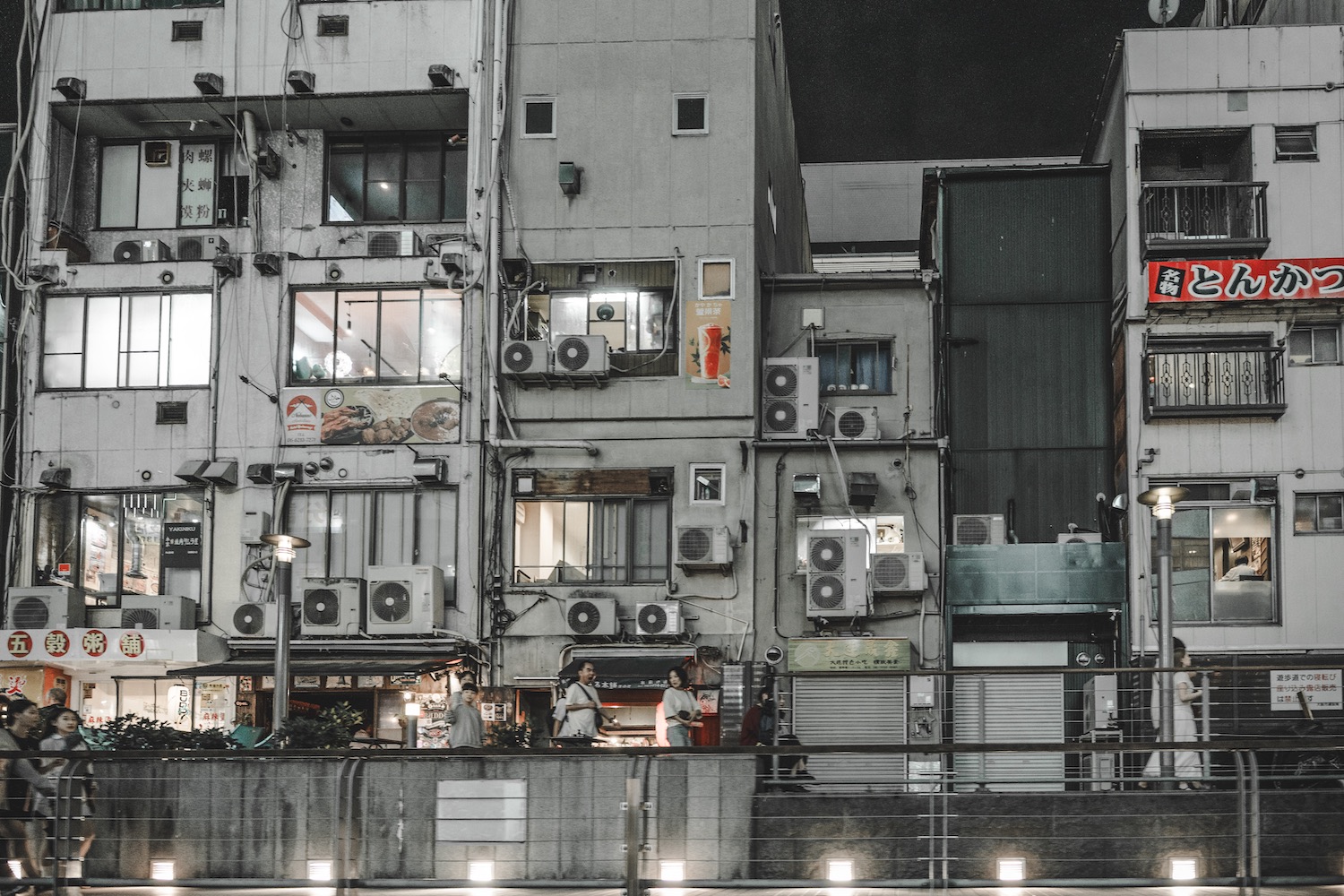
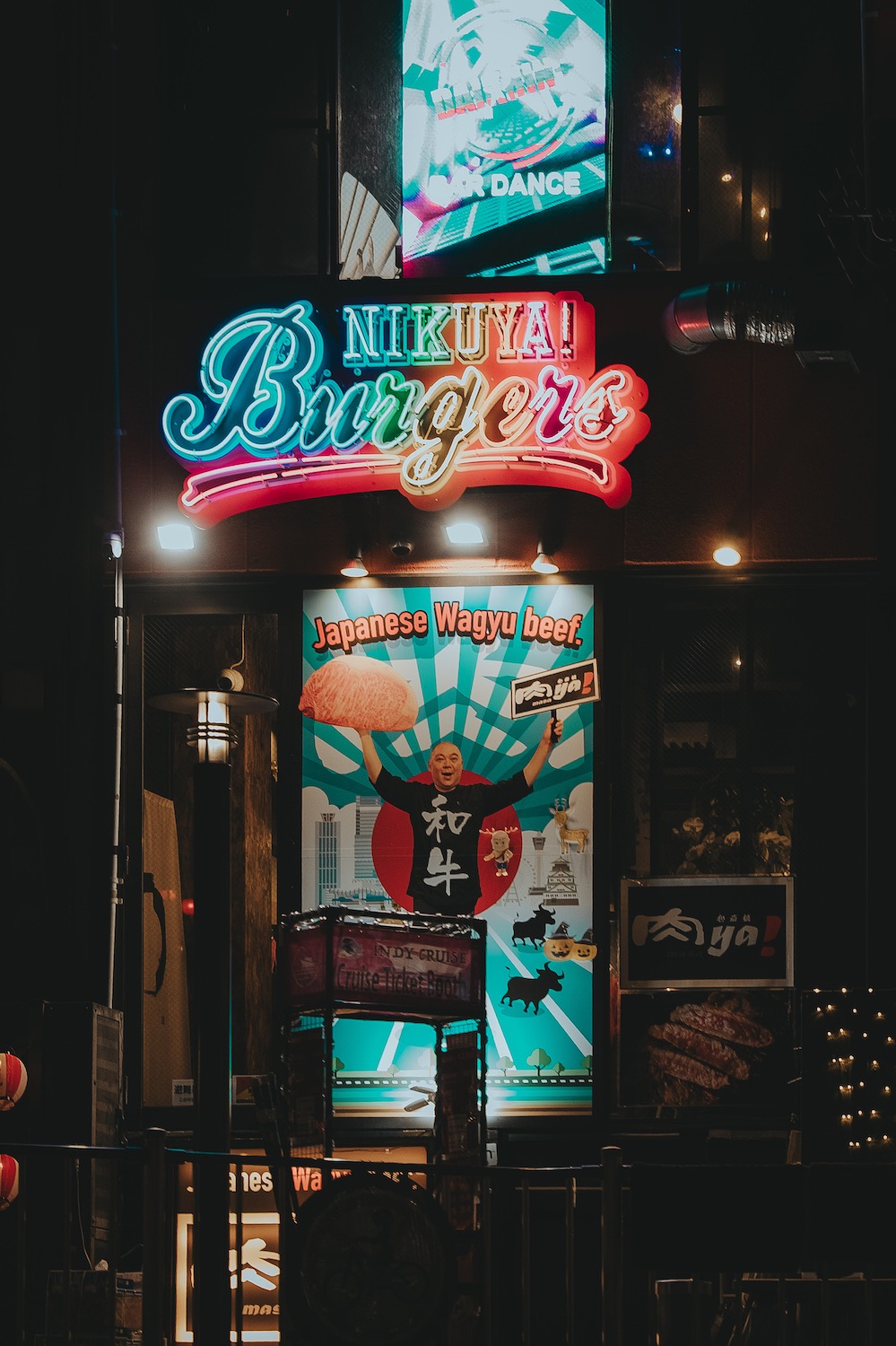
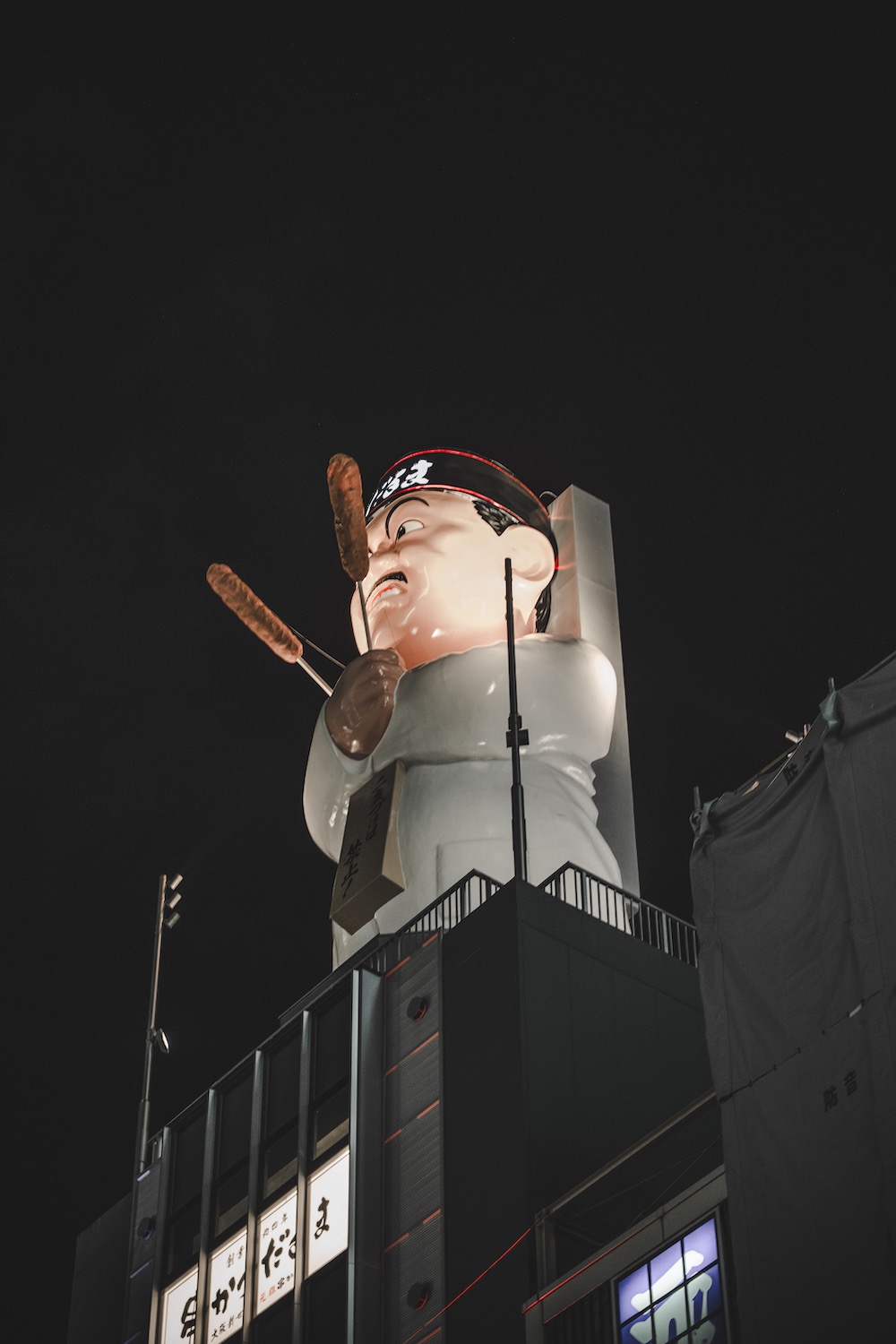
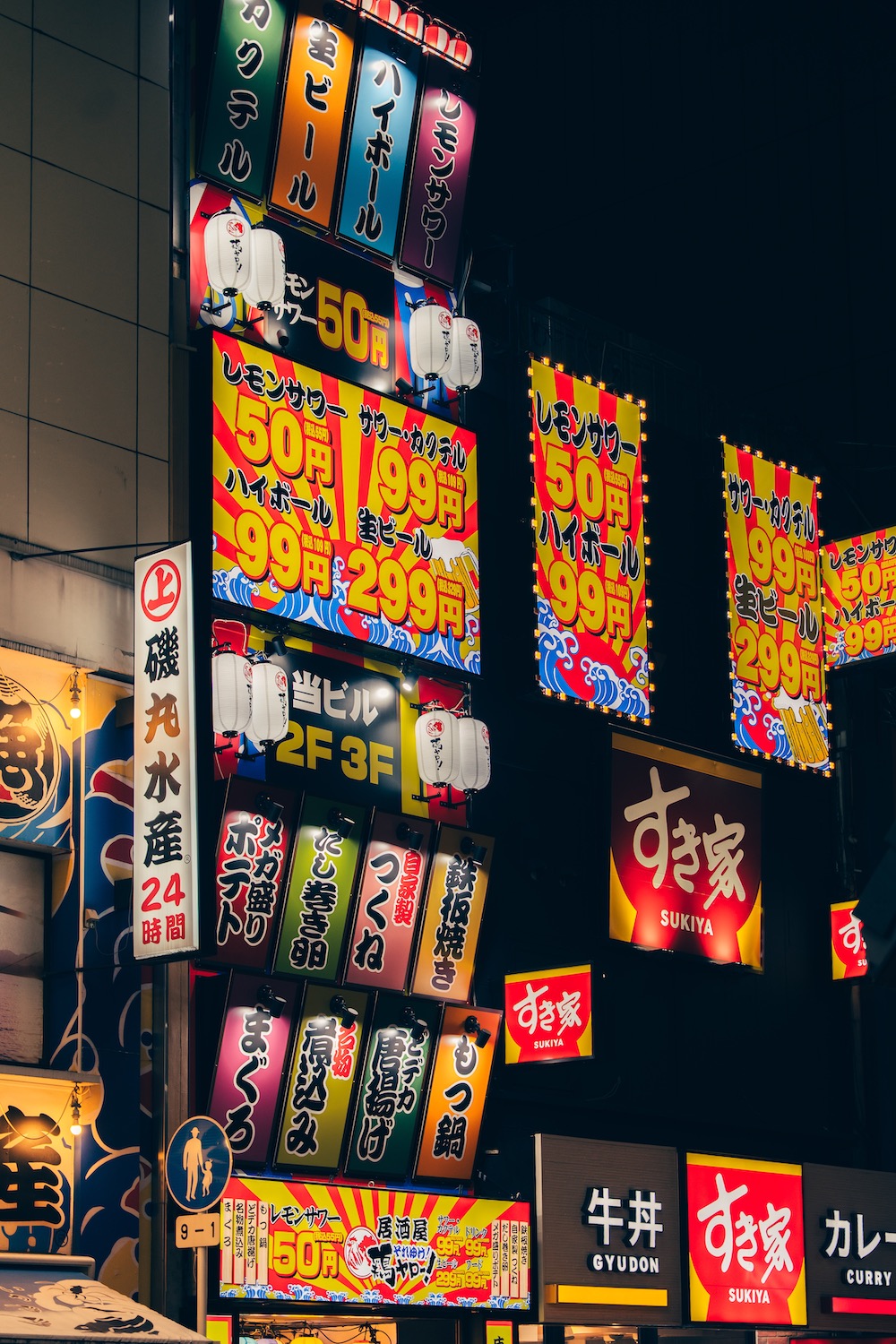
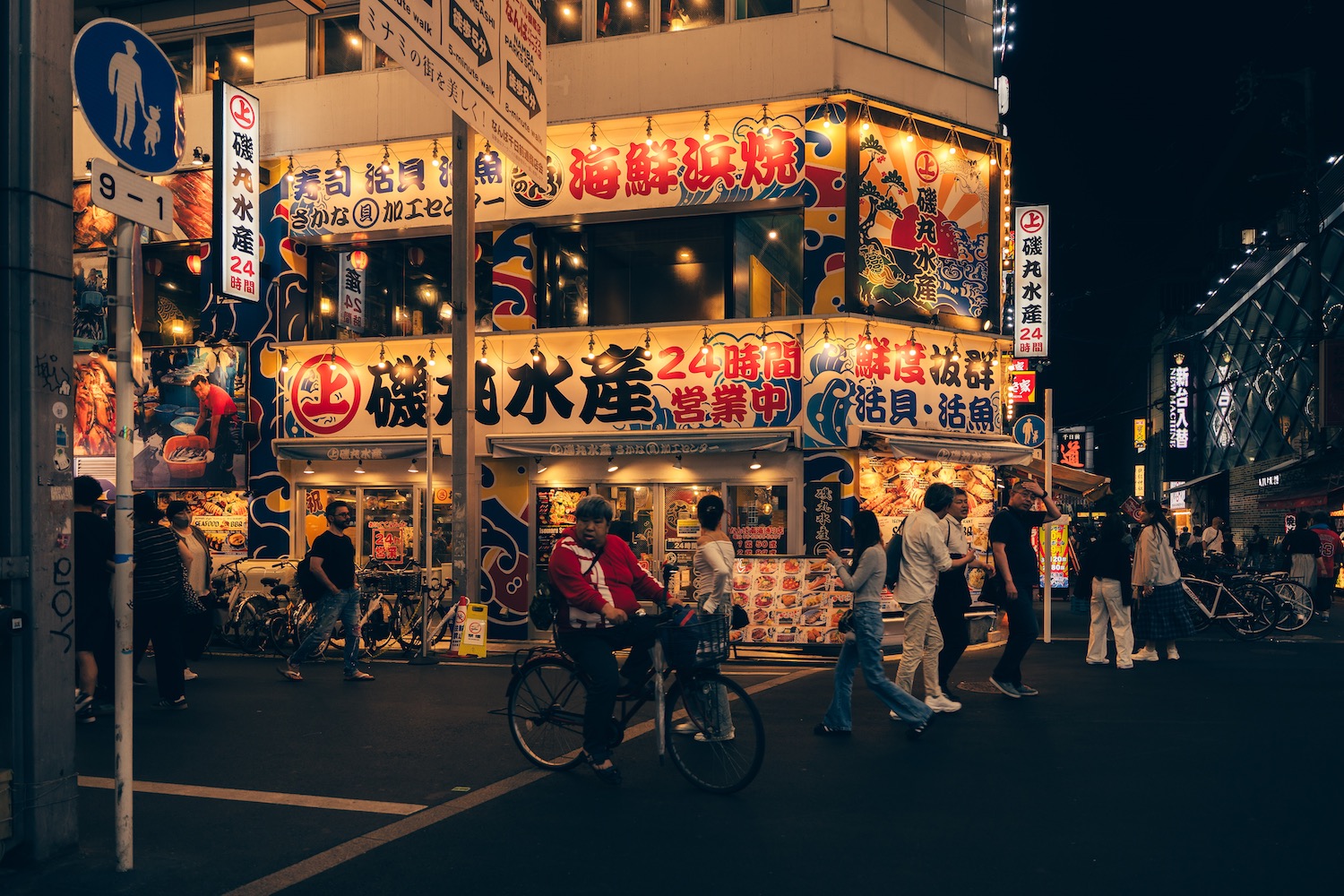
First stop: Dotonbori. It’s the pop heart of Osaka, with its central canal and a parade of giant signs, shops, restaurants, and shopping arcades that seem never-ending. There, we did the classic: photo with the Glico runner, the iconic sign of the athlete raising his arms in victory. Installed by the Glico confectionery brand since 1935, the sign has become the emblem of the area; it has changed over the years, but the athlete’s pose remains the same.
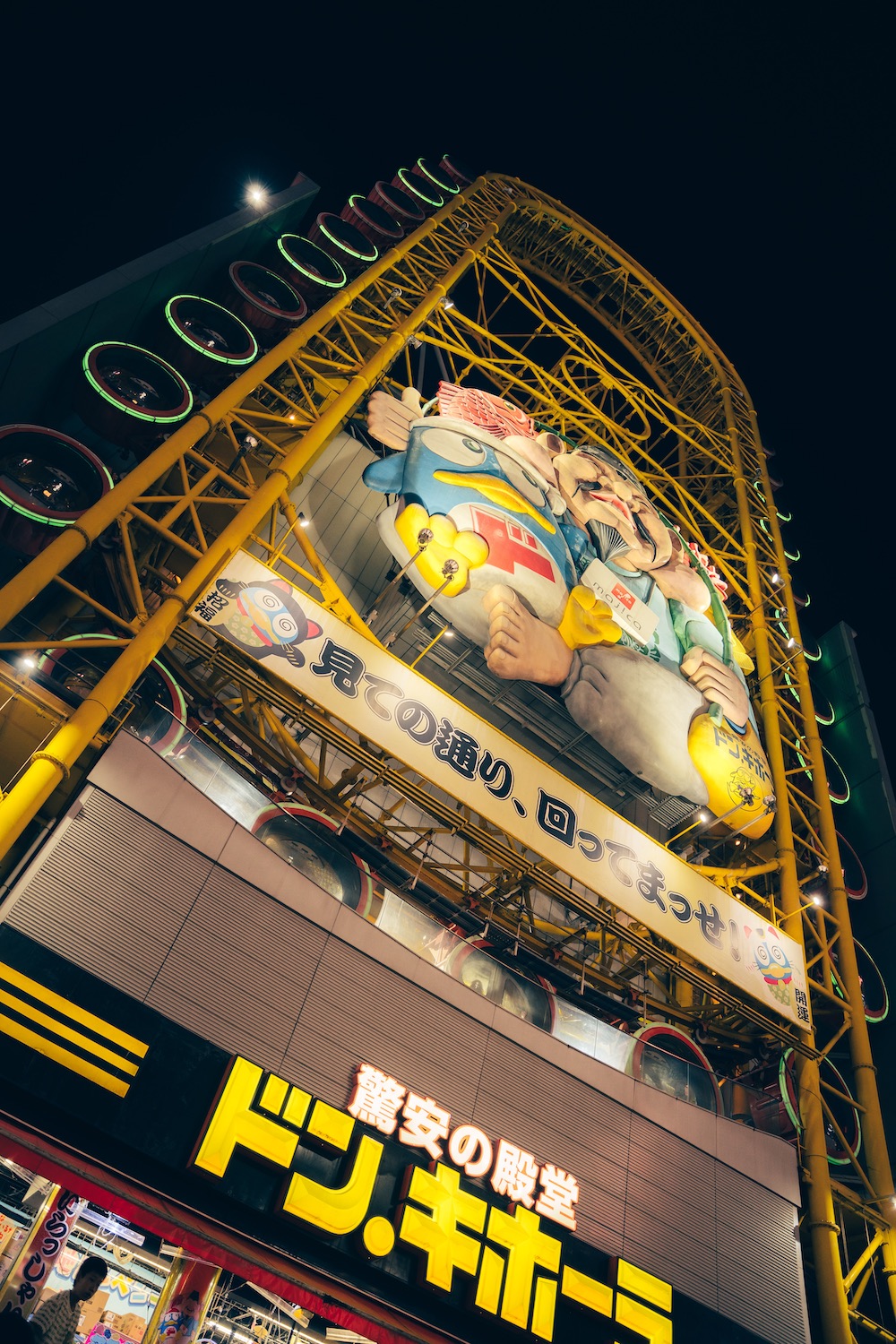
We went into Don Quijote and rode its capsule/“pill-shaped” Ferris wheel. It’s not tall and doesn’t offer the best visibility, but it gives fun views of the canal and lights.
We ate at Kappa Sushi, the kaiten sushi where plates come by conveyor belt. We knew about it from Ruta Doble and Japatonic recommendations. It’s not fine dining, but it’s tasty, fun, and perfect for sampling everything: nigiri, maki, ramen—whatever you crave, in small plates that come and go.
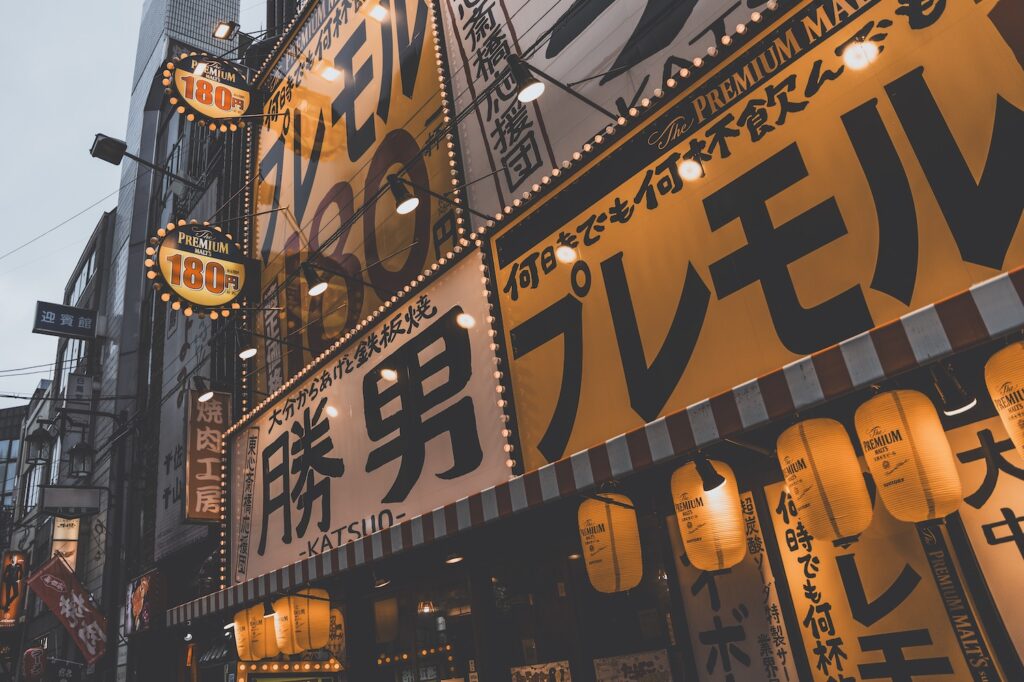
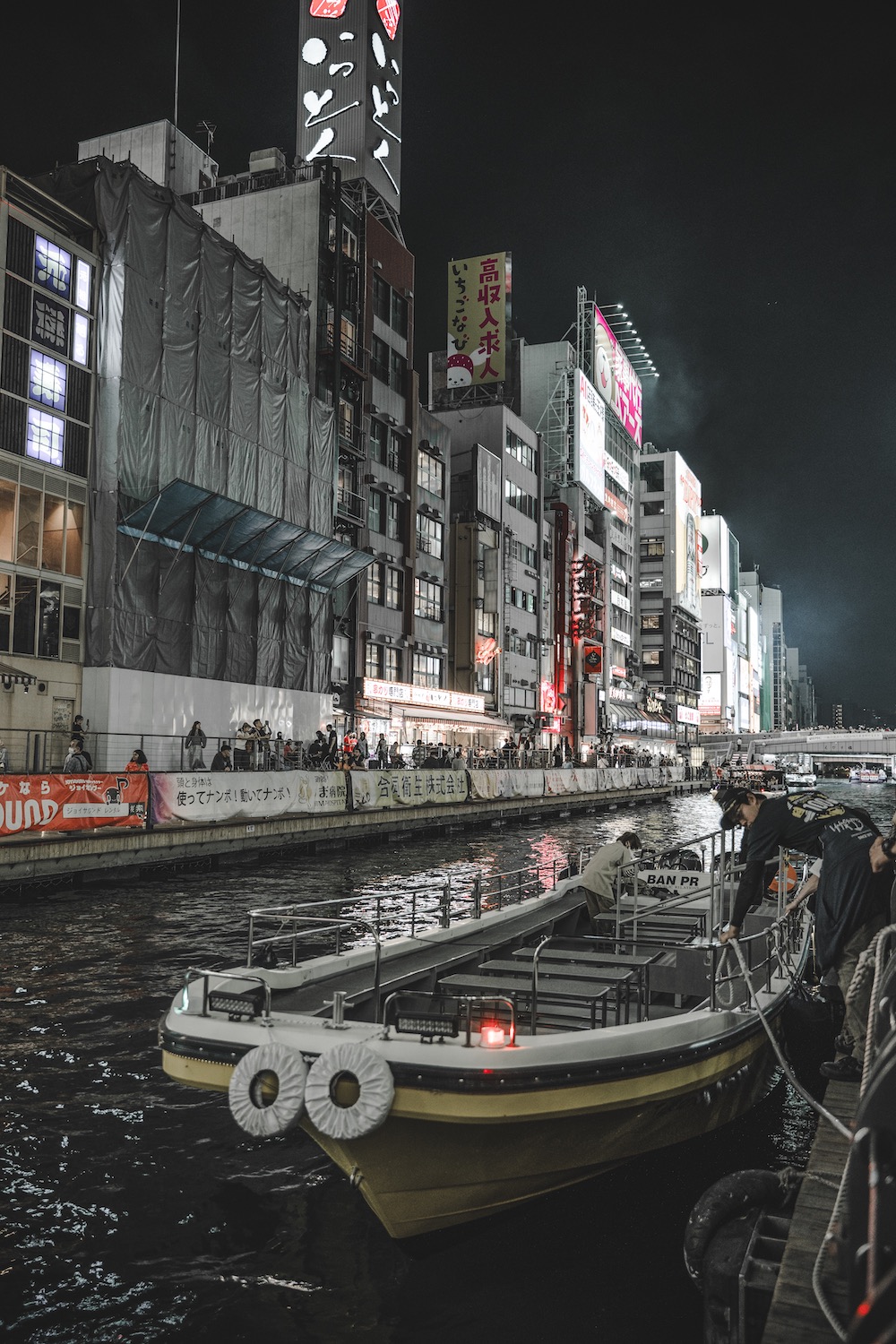
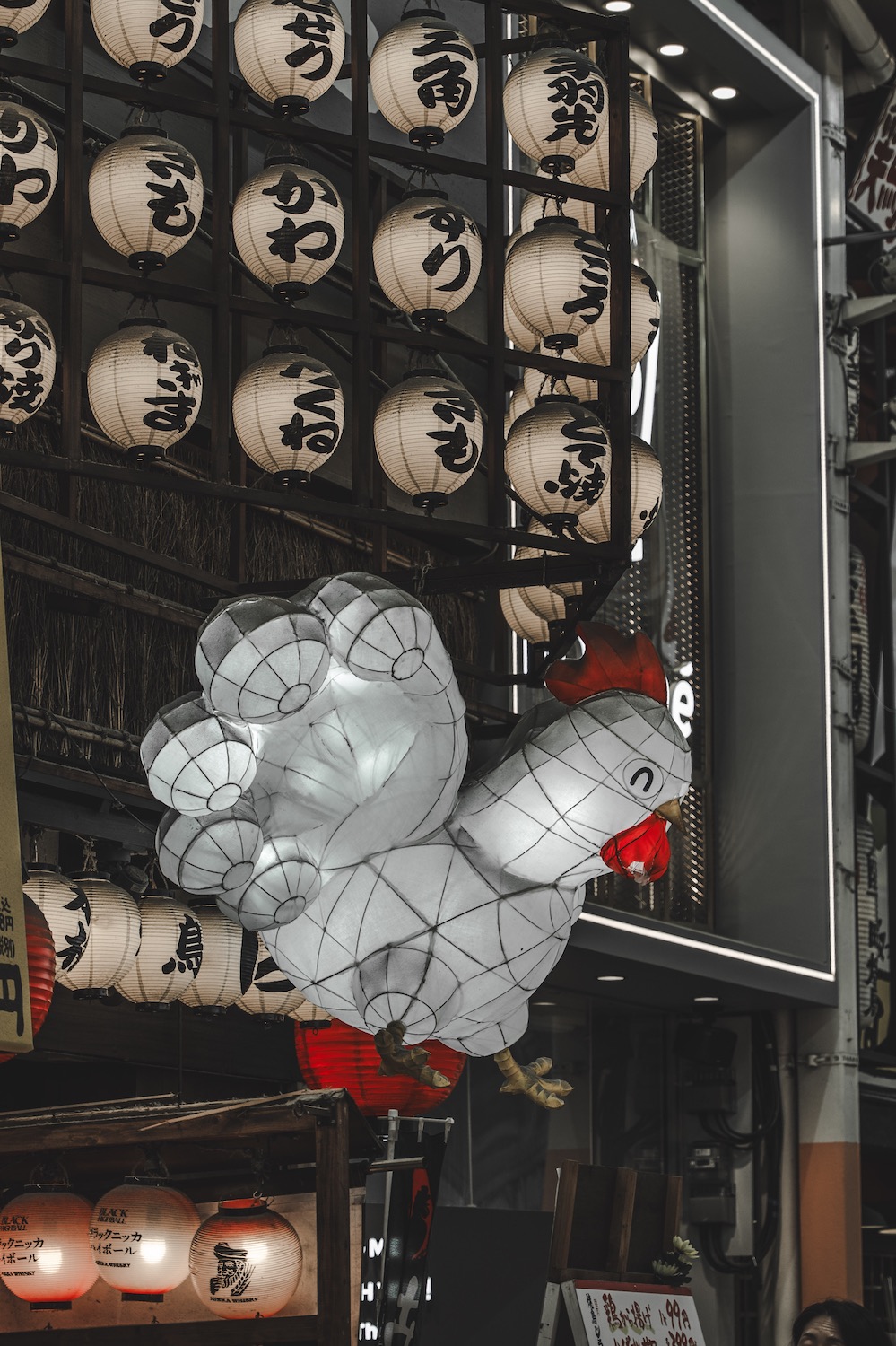
At night, Dotonbori gets even better. Lively without feeling suffocating like Shibuya sometimes does. We wrapped up with a 30-minute boat ride along the canal: short, photogenic, and enough to see the neighborhood from another perspective. Osaka has this exaggerated Japanese humor: giant crabs moving on façades, quirky neon signs, an aesthetic that winks at you.
Osaka Castle and Shinsekai
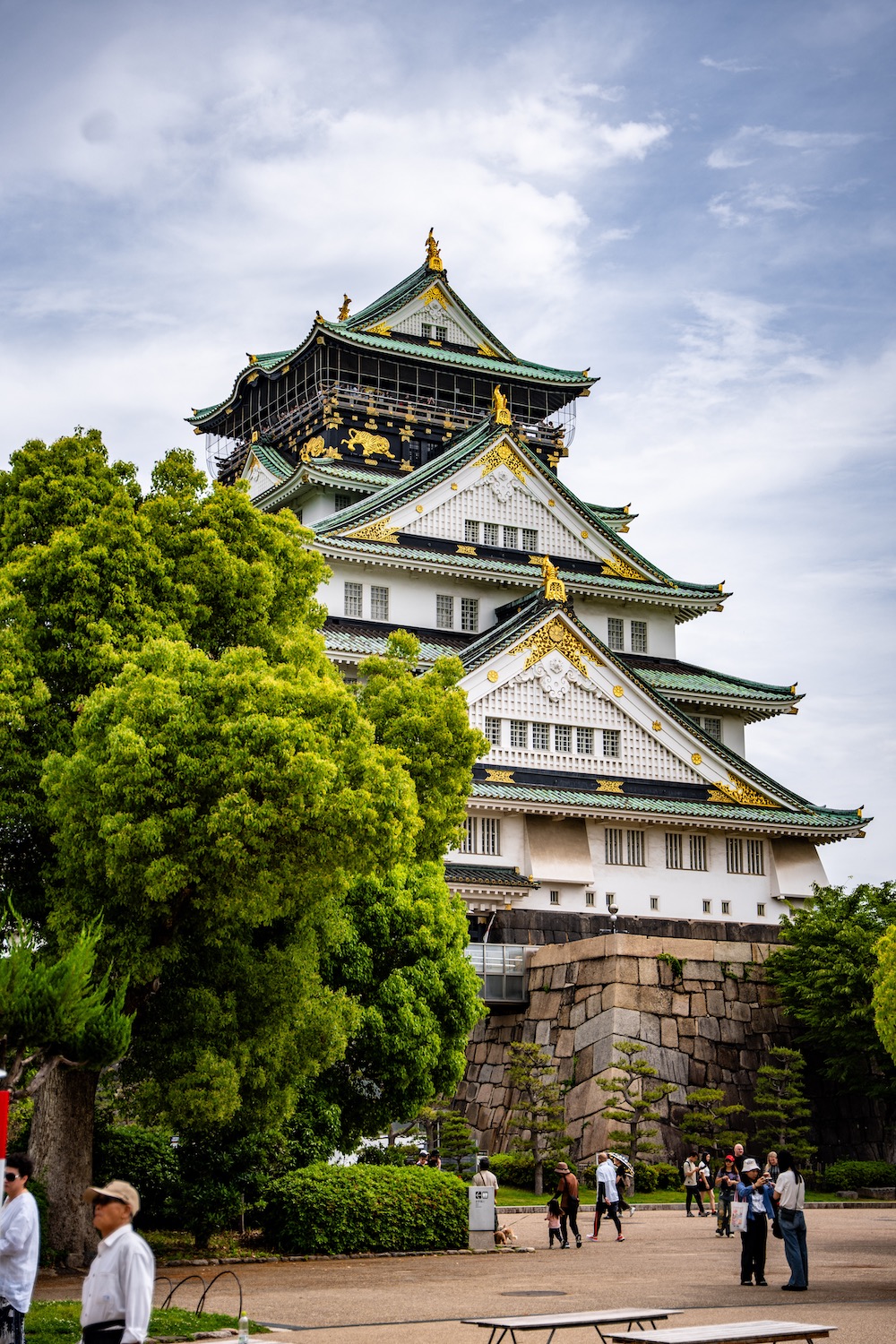
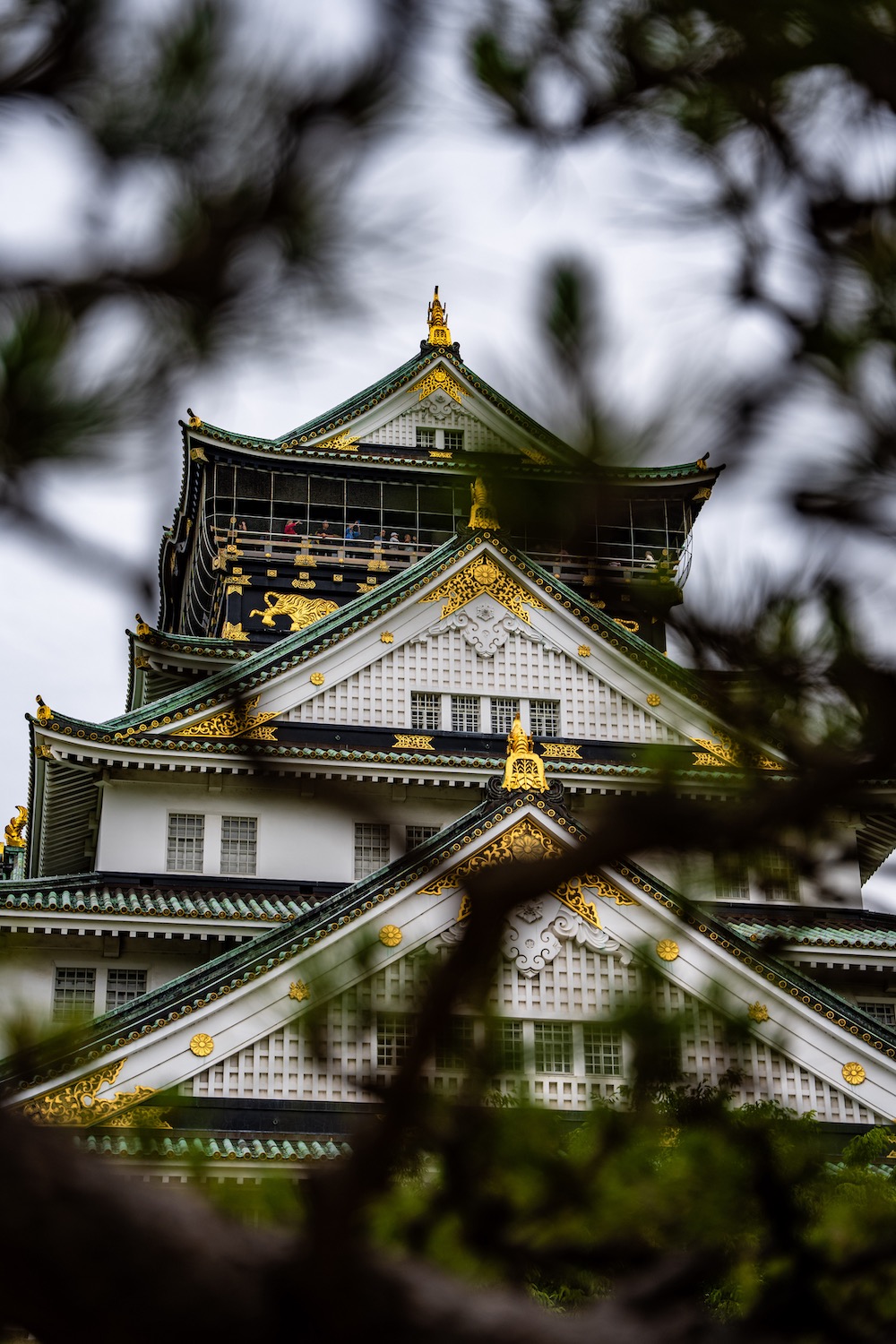
The next day, we went to Osaka Castle. It’s not just the main building: you pass through moats and walls, and the whole complex shows you the scale of what a fortress once was. We arrived early, which helped; the light isn’t the best at that hour, but the place always holds up.
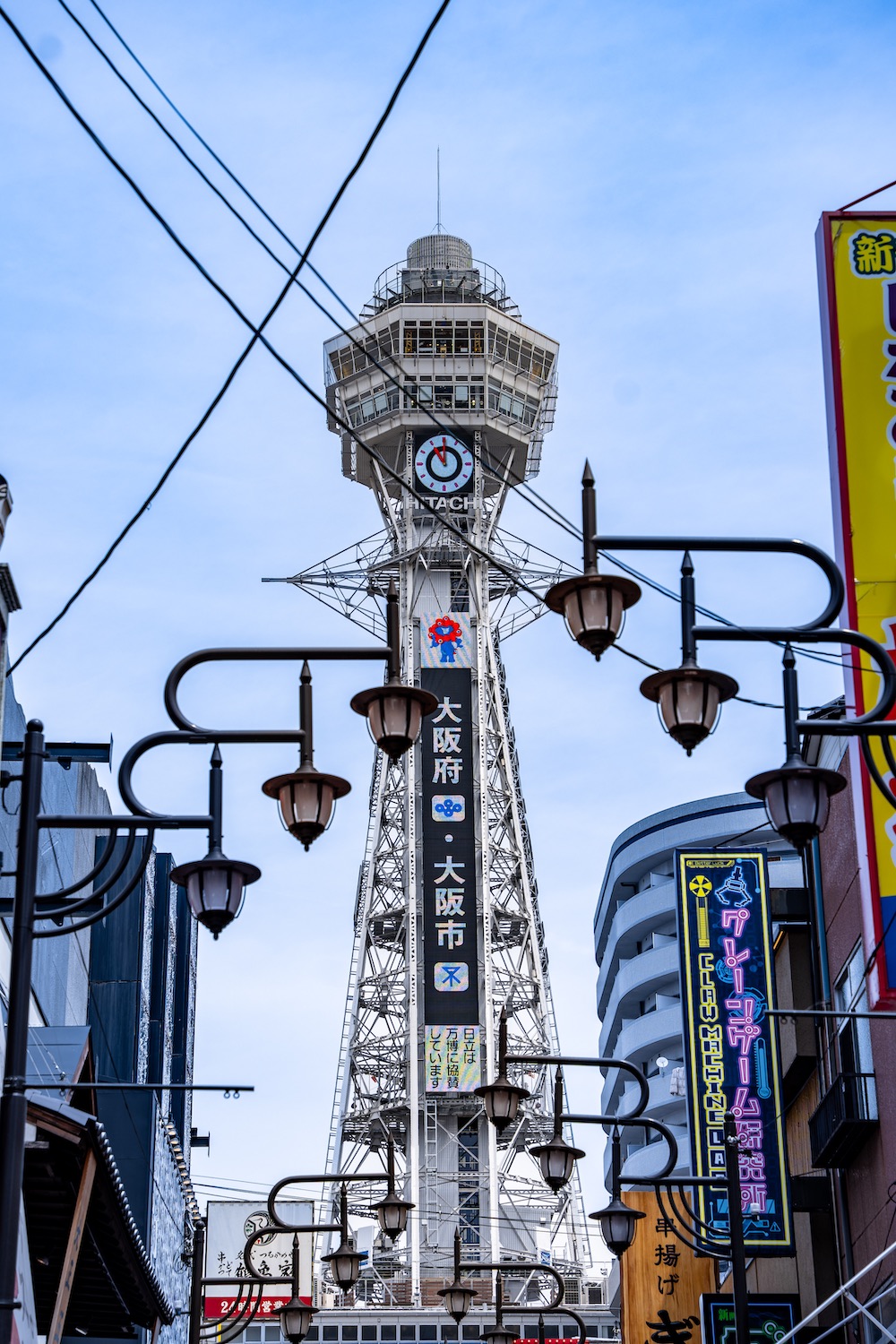
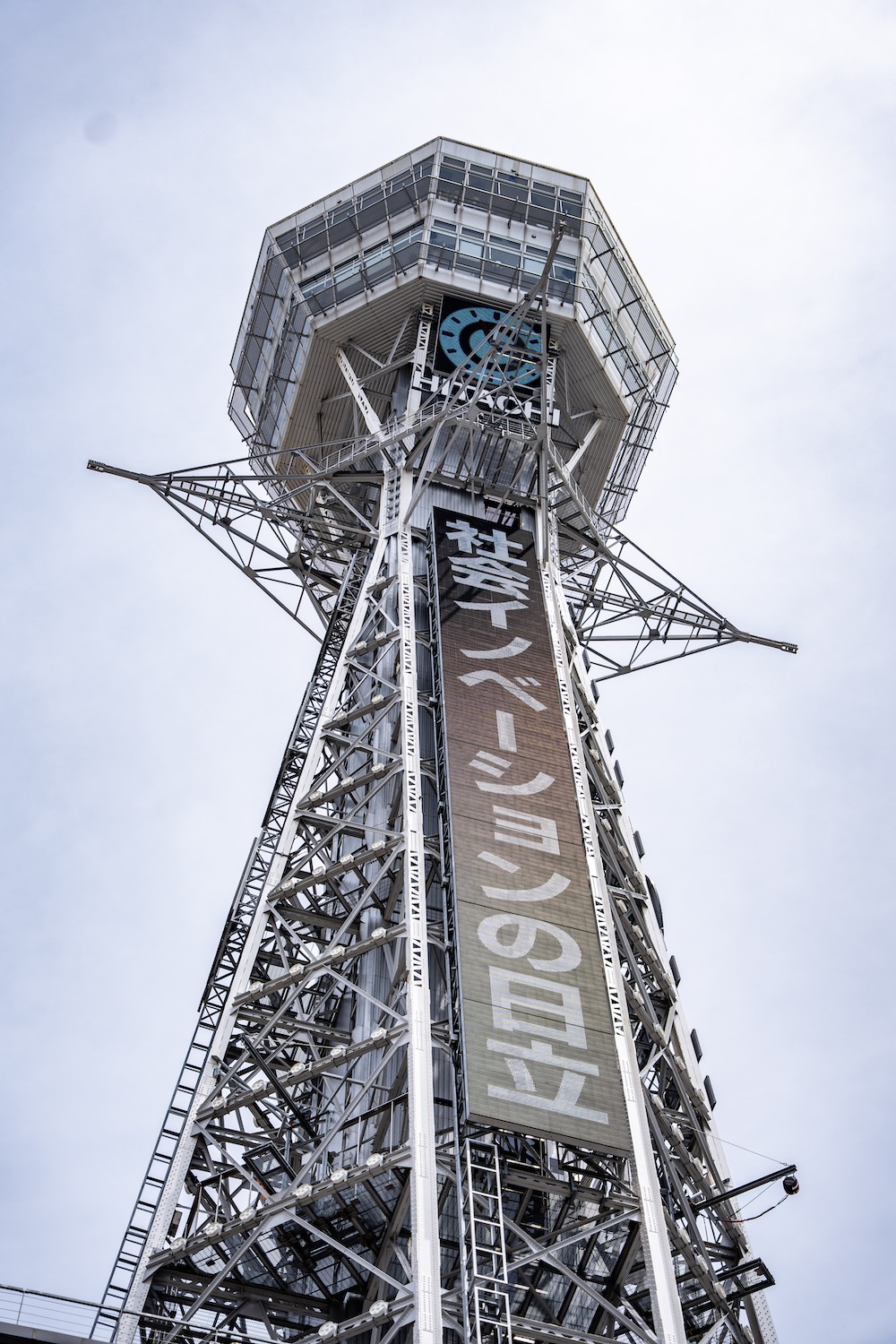
Then we walked through Shinsekai, the retro neighborhood with Tsutenkaku Tower, the “Osaka Tower.” It’s not Tokyo’s, nor does it try to be. It has a more small-town feel, with kushikatsu restaurants, nostalgic signs, and the vibe of “neighborhood Japan” that charms precisely because of what it is.
Nara: Temples, Deer, and Patience
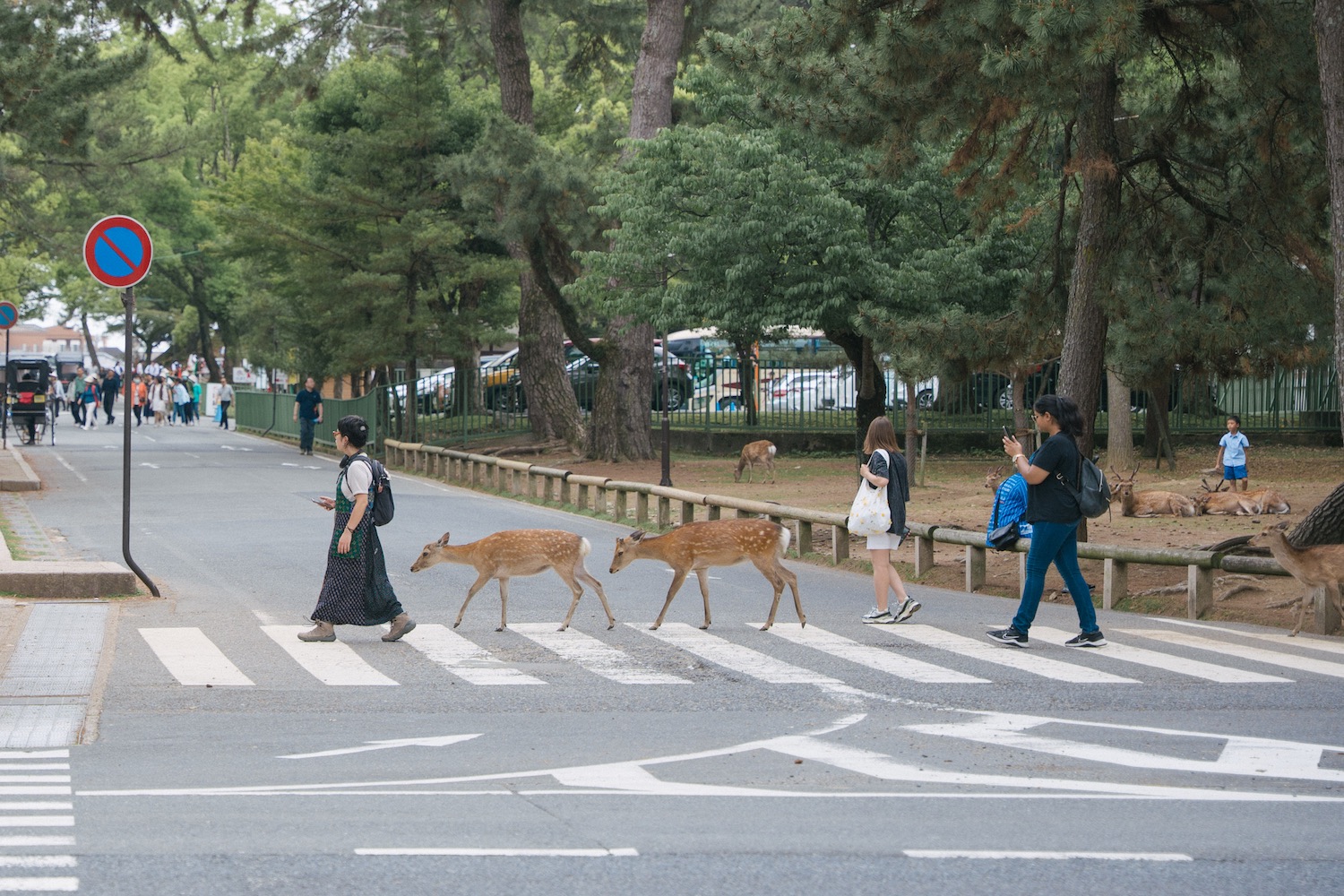
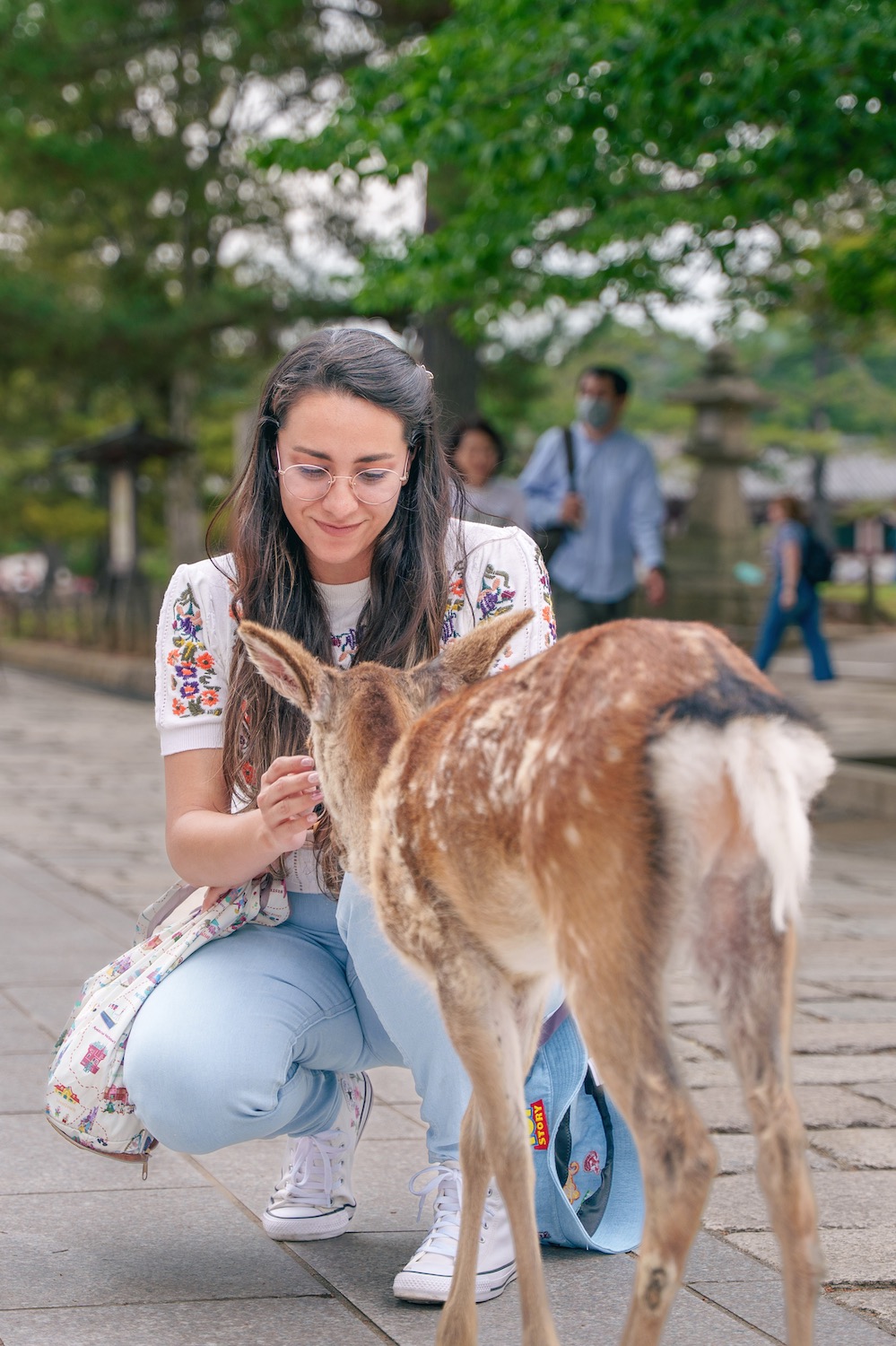
From there, we went to Nara. Nara is famous for its sika deer that roam freely through the park and streets. You can buy “shika senbei,” special crackers to feed them. Heads up: they’re animals; if they smell food, they might push you, so better keep the crackers well hidden.
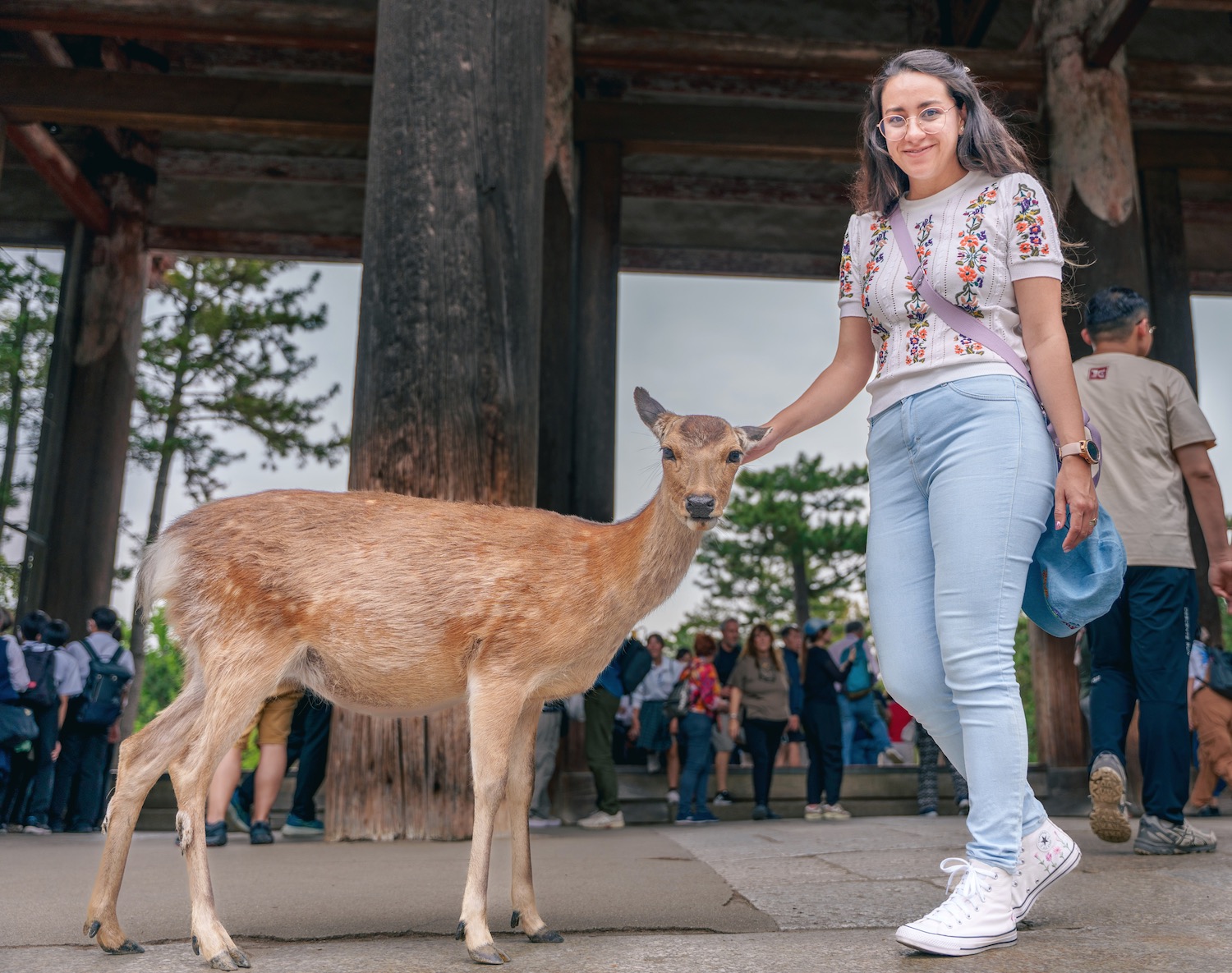
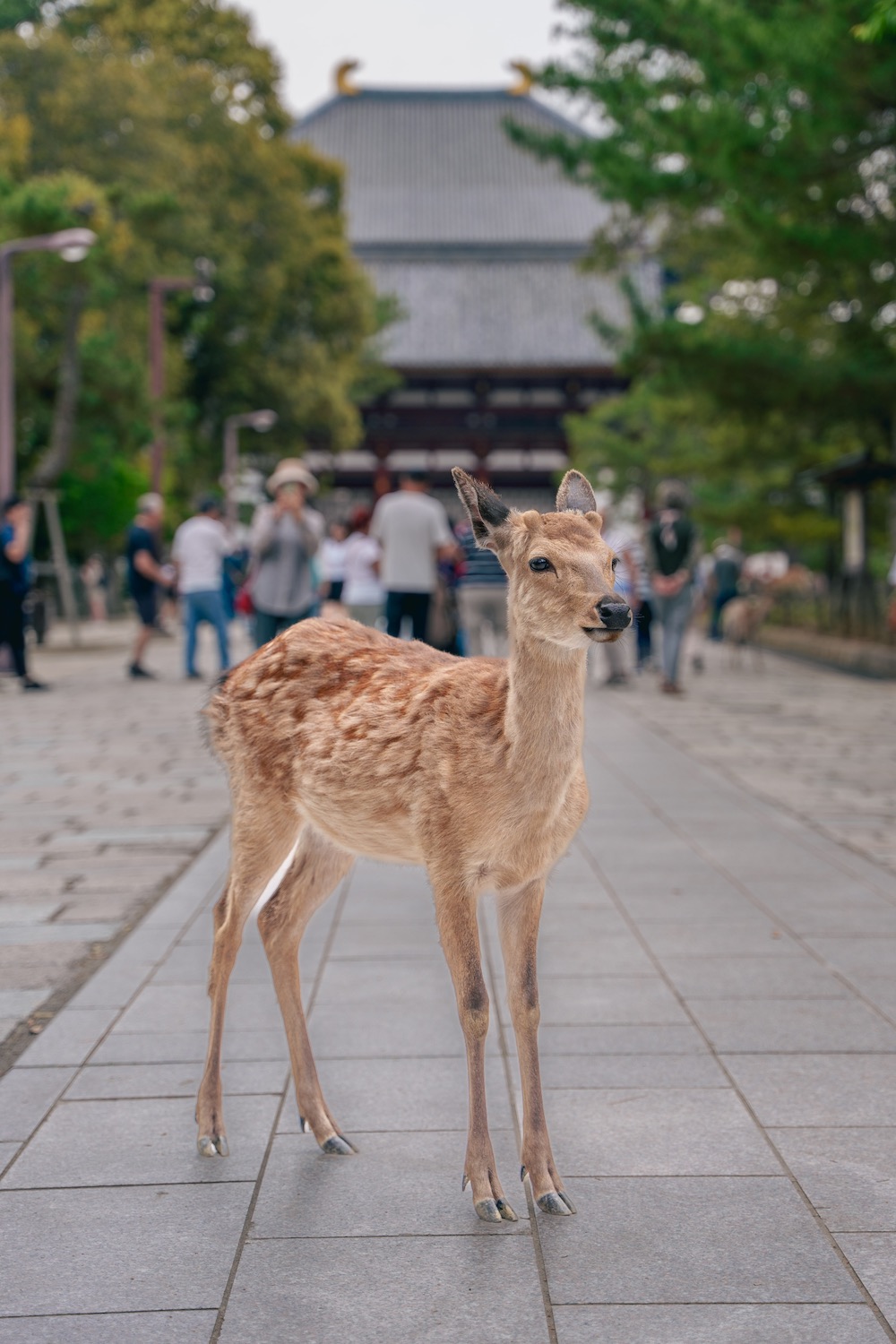
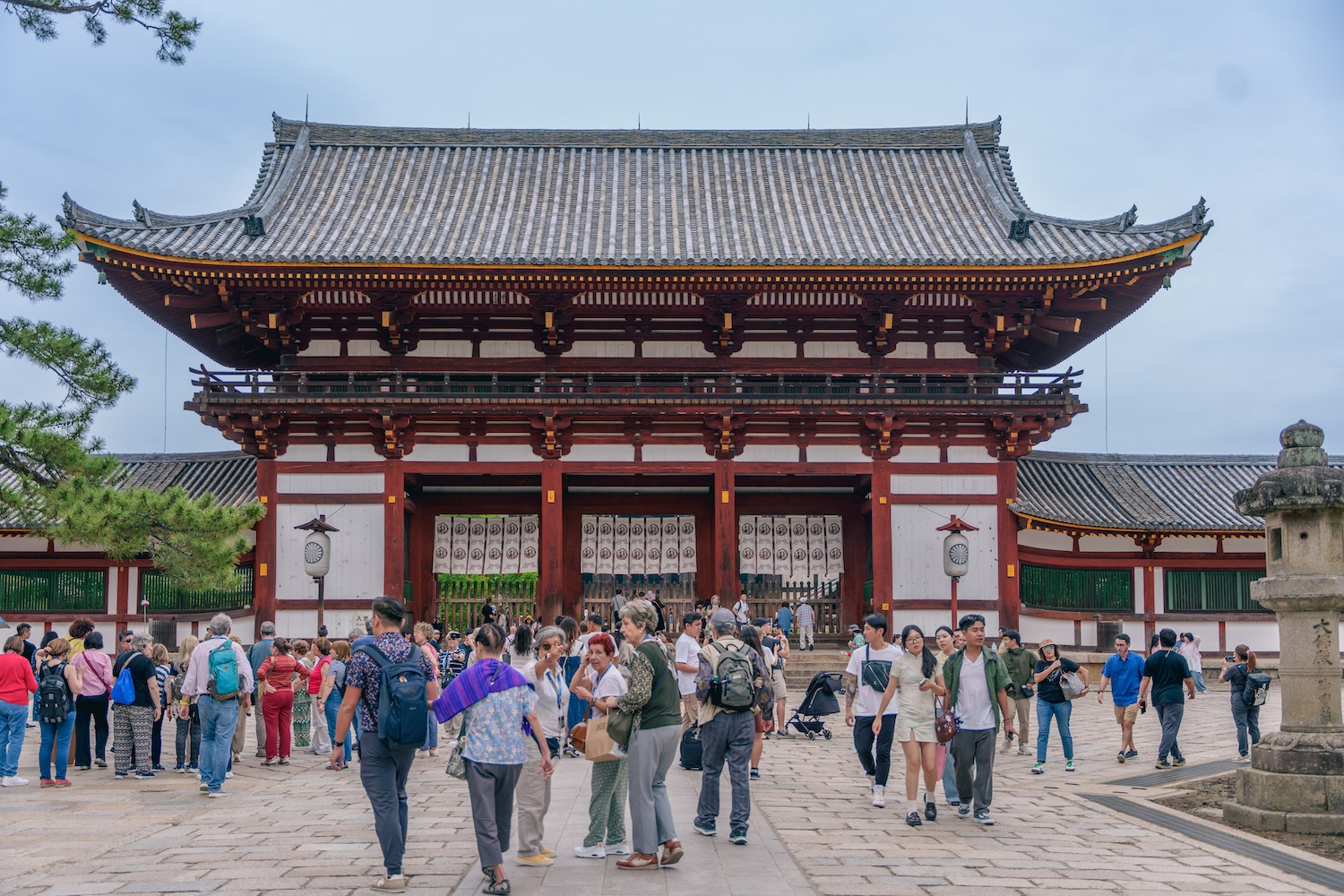
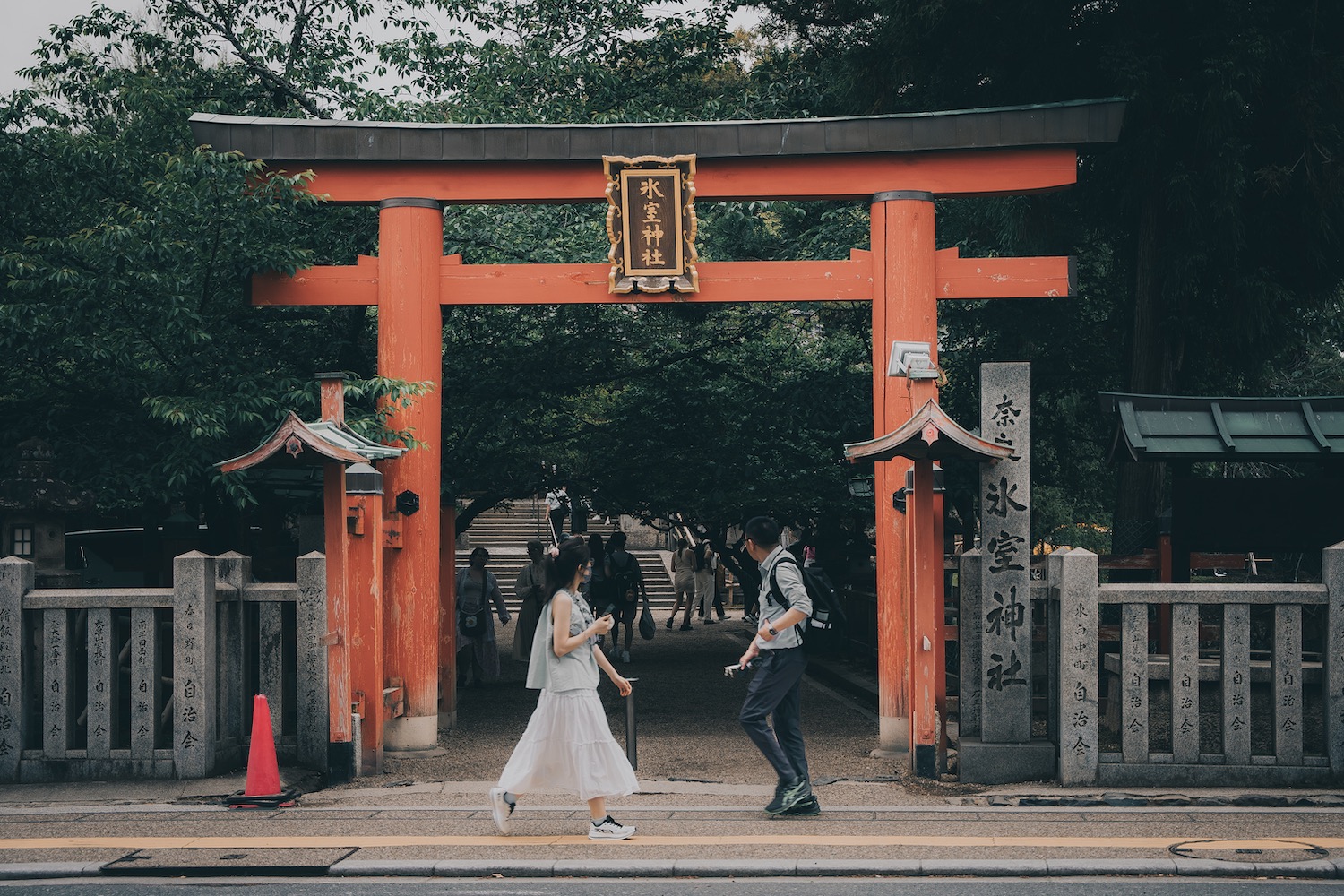
The deer are all over Nara Park, around temples like Tōdai-ji (Buddhist), where the Great Buddha is. The reason there are so many deer has history: in the Shinto shrine Kasuga Taisha, the god Takemikazuchi is said to have arrived riding a white deer; since then, deer were considered divine messengers and protected. Over time, they became part of the landscape and experience.
We arrived when there were more people and school trips, so patience was required for photos. Even so, we managed some lovely shots.
Umeda and a Breather
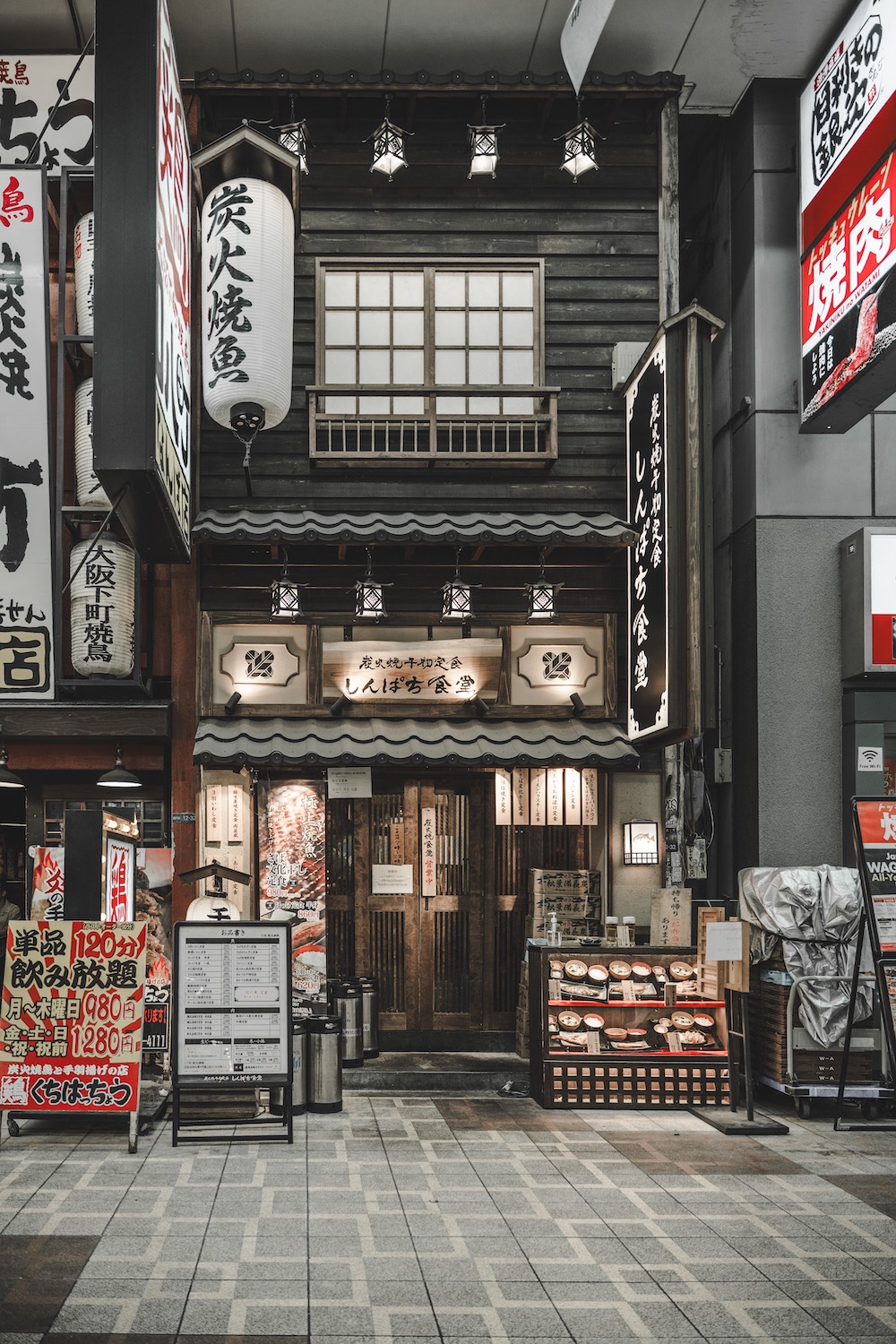
Back in the Umeda/Yodobashi area: crowded streets, lights, shops. Osaka offers many “postcards” of Japan within walking distance. That’s part of its magic: modernity and tradition coexist without getting in each other’s way.
Traditional Osaka
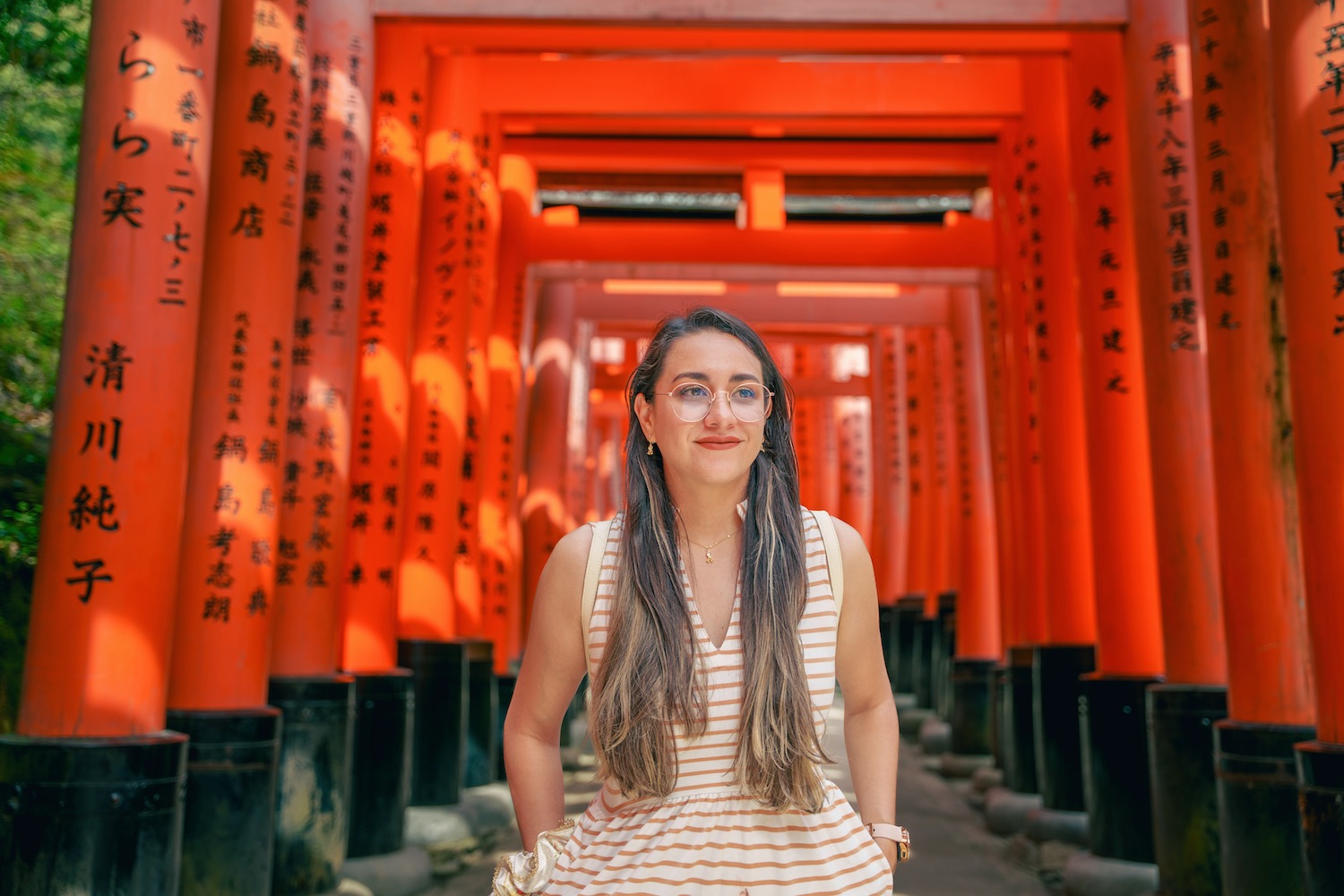
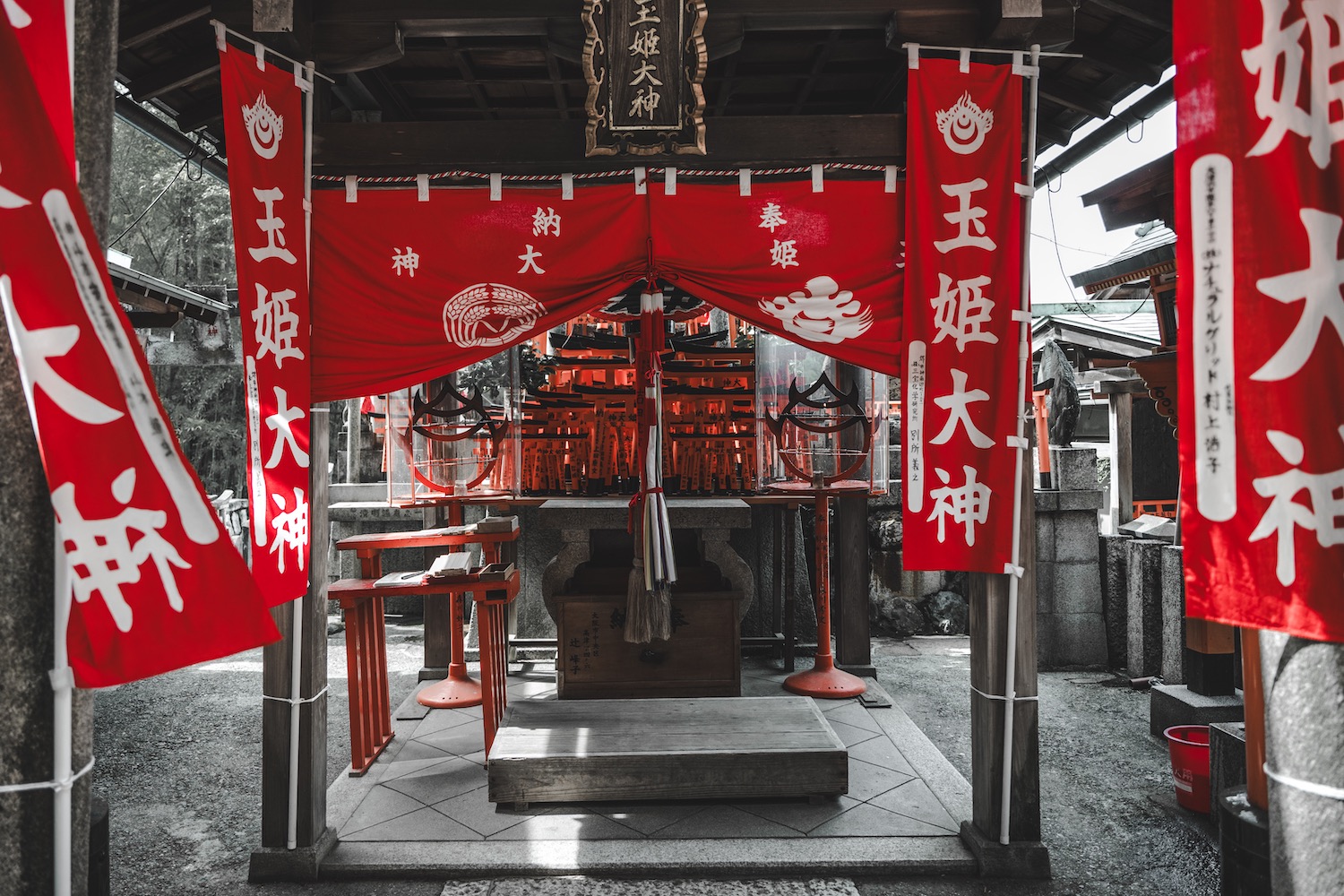
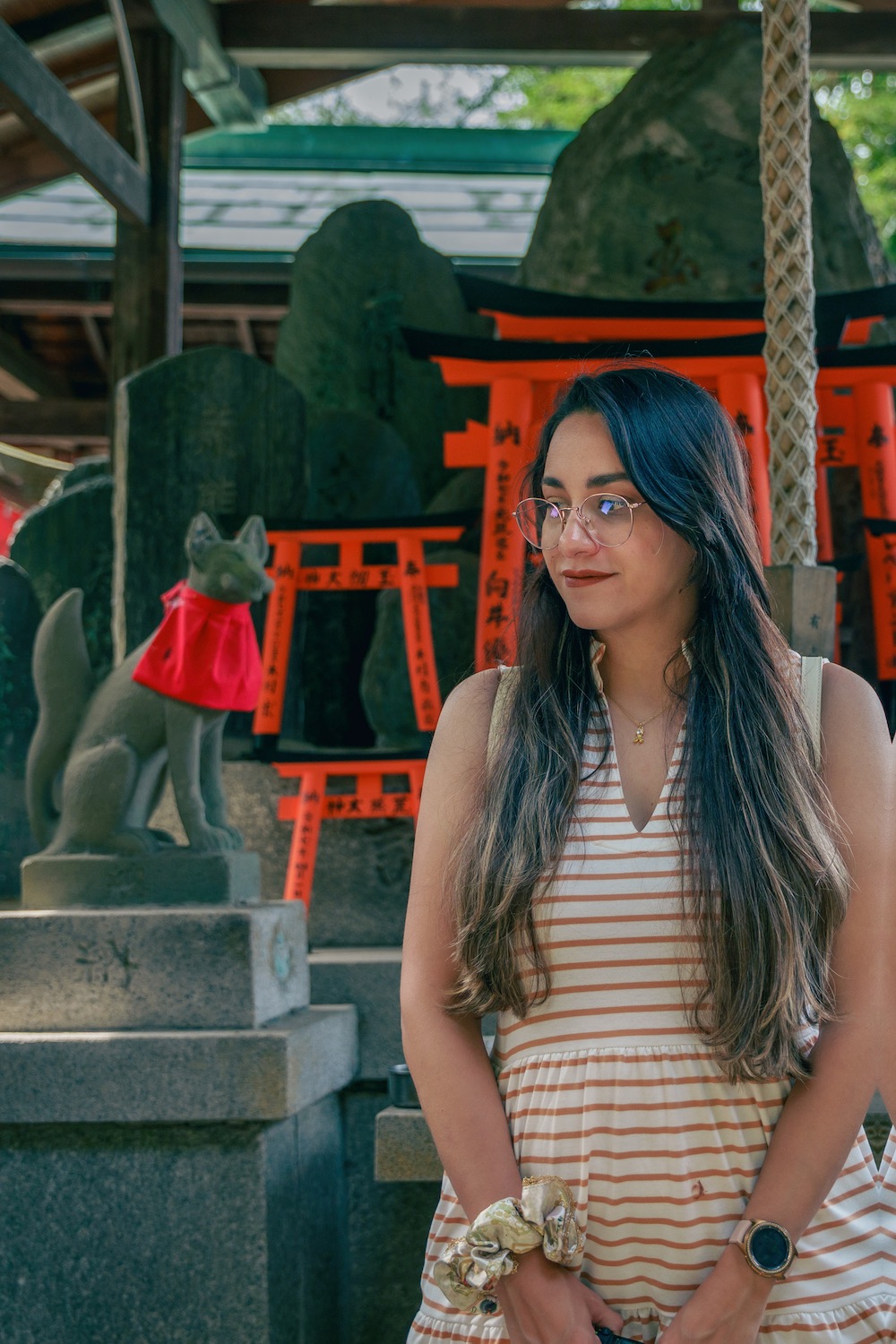
We had the option of going to Universal Studios but chose the free day to go to Kyoto. We left the hotel at 6 a.m., heading straight to Fushimi Inari Taisha. It’s a Shinto shrine famous for its thousands of orange torii gates forming tunnels up the slopes of Mount Inari. Why are they built? They’re offerings: companies and individuals donate torii to give thanks and pray for prosperity; each gate bears the donor’s name.
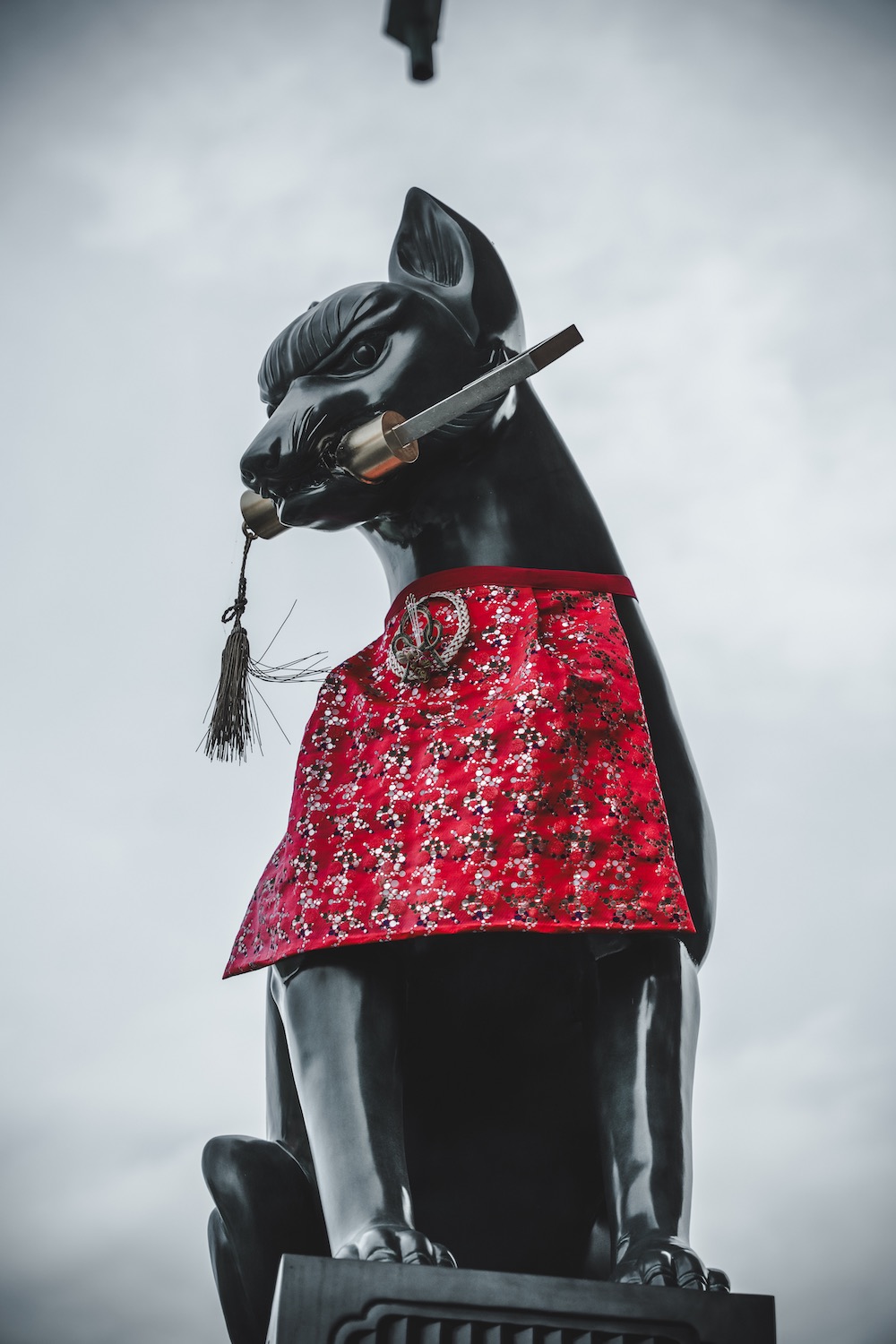
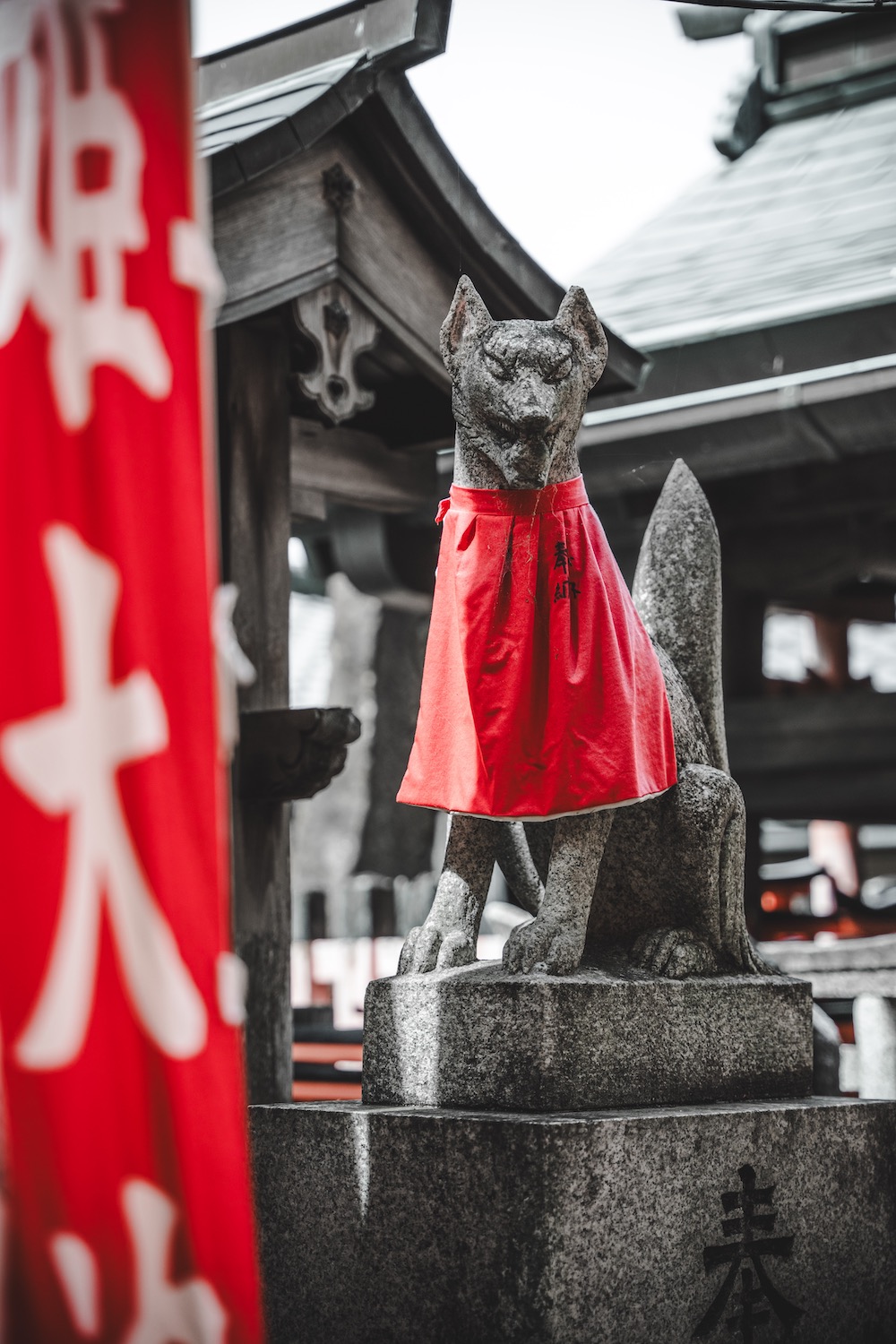
Among the shrine’s guardians are kitsune, foxes associated with Inari, deity of harvest, rice, and prosperity. Seeing the statues with granary keys or jewels in their mouths is part of the charm. Architecturally, I feel Buddhism is more monumental; Shintoism, on the other hand, has a beauty of lines, an aesthetic that feels very “Japan”.
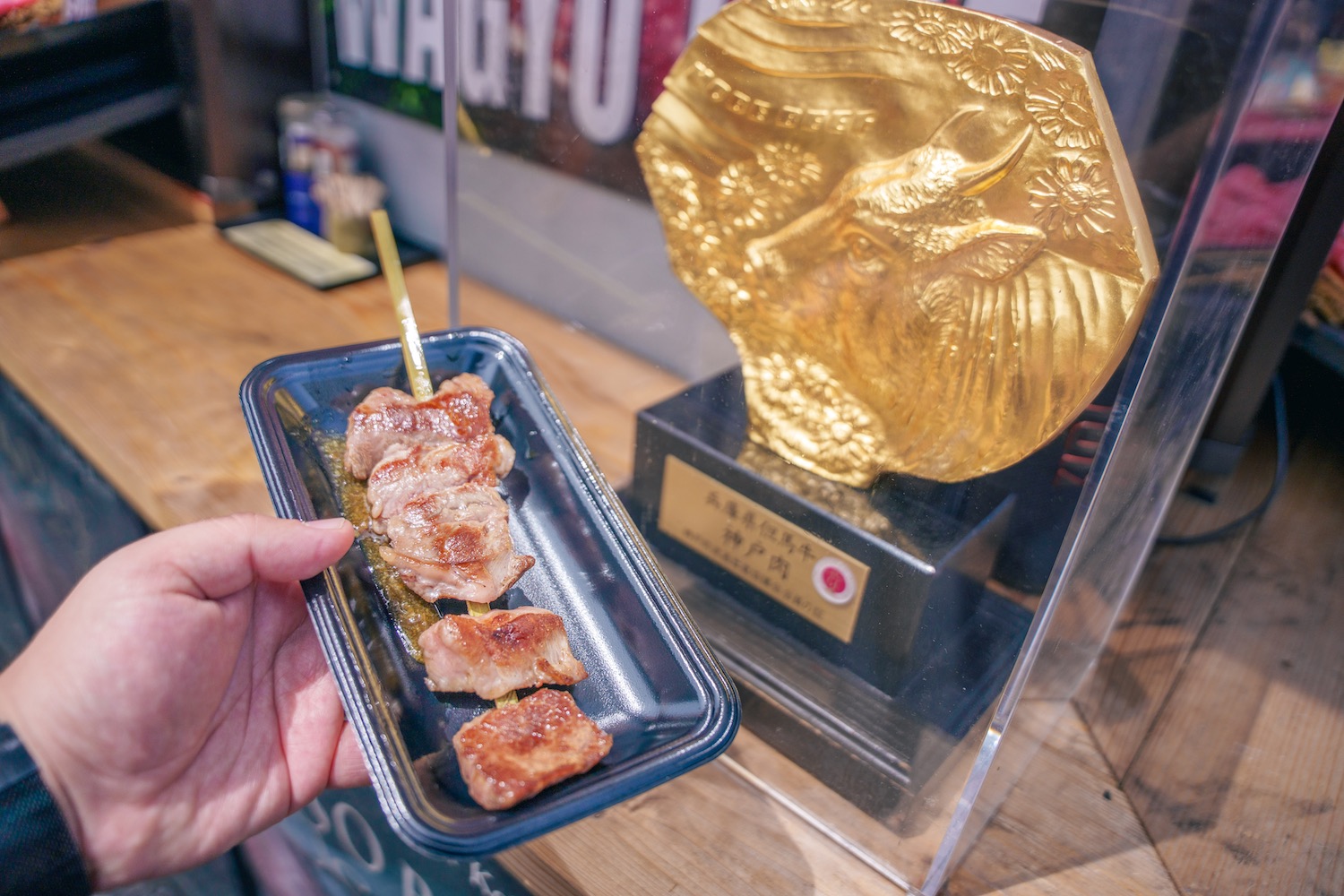
Later, I fulfilled a wish: trying Kobe beef. We bought skewers, about 100 grams, expensive but delicious. Not an everyday thing, but some experiences are meant to be lived at least once.